
EU launches biometric border system for non-EU travelers
New entry & exit system requires fingerprint and facial scans for visitors under new rule
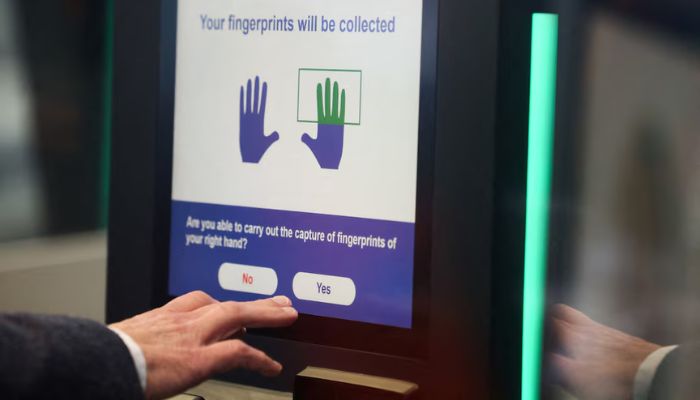
The European Union will begin implementing its new biometric border control system Sunday, requiring all non-EU citizens to register fingerprints and facial scans when entering the Schengen area.
The Entry/Exit System (EES), launching October 12, 2025, after multiple delays, will gradually replace passport stamps with digital records across air, sea, and land borders through full implementation by April 2026.
The electronic system mandates that first-time visitors from outside the EU, including British travelers, submit biometric data including four fingerprints and facial images upon initial entry.
The data will create digital profiles to monitor compliance with the 90-day visa-free stay limit within any 180-day period, while subsequent entries will require only facial recognition verification.
Children under twelve remain exempt from fingerprint requirements.
The EU aims to modernize border management, combat illegal immigration, and prevent identity fraud through the automated system.
Initial implementation will focus on freight and coach traffic at key crossings including Dover and Folkestone, with passenger vehicle checks phased in by year's end.
Union officials express confidence the gradual rollout will prevent significant border delays, though the British government advises travelers to allow additional time during the transition period.
The EES serves as precursor to the European Travel Information and Authorisation System (ETIAS) scheduled for 2026, which will require pre-travel authorization similar to Britain's Electronic Travel Authorization program introduced for European visitors last April, 2025.






-
 Marc Anthony on why Bad Bunny’s Super Bowl show mattered
 -
 Eva Mendes admits she was jealous of Ryan Gosling’s CGI ‘girlfriend’ Rocky
 -
 China: Stunning drone show lights up night sky ahead of Spring Festival 2026
 -
 Nancy Guthrie’s kidnapper will be caught soon: Here’s why
 -
 Internet splits over New York's toilet data amid Bad Bunny's Super Bowl show
 -
 Lewis Hamilton spent years trying to catch Kim Kardashian's attention?
 -
 Ferrari Luce: First electric sports car unveiled with Enzo V12 revival
 -
 Jon Stewart on Bad Bunny's Super Bowl performance: 'Killed it''