
Scientists, musicians collaborate to tell story of Florida’s oyster decline
Scientists increased awareness about the significant decline of the state's oyster population
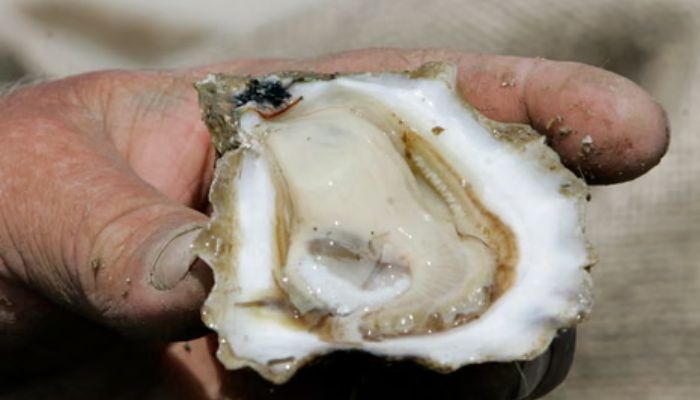
Scientists and musicians at the University of Florida have collaborated on a unique project to raise awareness about the significant decline of the state’s oyster population, aiming to inform a responsive audience about the catastrophic scale of the crisis.
For that purpose, Heather O’Leary, a professor of anthropology at the University of South Florida (USF) in Tampa, engaged with student composers to create a jazz album which translates scientific data into musical notes.
She expressed her views regarding the arrangements as, “We use the universal language of music to express the impact of over-harvesting habitat loss, the climate crisis and the spread of forever chemicals on Florida’s fragile oyster reefs.”
However, Heather O’Leary clarified that there is no intention to trivialise the issue of Florida’s oyster collapse, which ultimately led to wildlife officials suspending oyster harvesting in 2020 for a five-year period.
The primary motive of this project is to translate scientific data into a jazz album, aiming to raise awareness about these crises in a novel way.
Specifically, this creative process featured marine science graduates working with school's musical analogue, guided by a music professor, to interpret data into a final performance-ready piece to be presented live in January at the next USF concert.
O’Leary said, “The music graduates are familiar with global warming, climate change, climate chaos but they have never actually delved into the science. That’s just not the flavor of intellectual interest they have.”
The oyster composition will include other creative materials, artwork and music.
She further stated, “The students are thinking through scales of time and change about the clicks and clacks that would be in a piece about coral, the funkier saxophone types of sounds you would think of when you’re thinking about dead fish washing up.”




-
 Timothee Chalamet rejects fame linked to Kardashian reality TV world while dating Kylie Jenner
 -
 Sarah Chalke recalls backlash to 'Roseanne' casting
 -
 Willie Colón, salsa legend, dies at 75
 -
 Touching Eric Dane moment with daughter emerges after viral final words
 -
 Ryan Coogler explains why his latest project 'Sinners' is so close to his heart
 -
 Who is Punch? Here’s everything to know about the viral sensation winning over internet
 -
 Matty Healy sets summer wedding date close to ex Taylor Swift's nuptials
 -
 Kayla Nicole reveals surprising reason behind separation from Travis Kelce