
NASA’s new program seeks hurricane damage photos
Americans can help with massive disaster recovery decisions by joining space agency initiatives to record damage at ground level
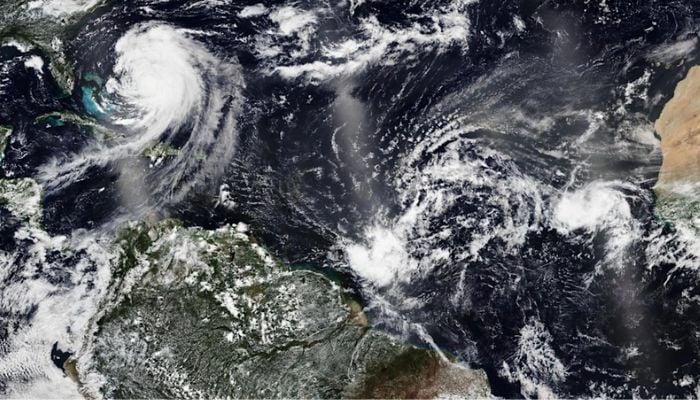
NASA in collaboration with the Global Learning and Observations (GLOBE), is launching a pilot program to mobilize science for faster hurricane disaster discovery.
Primarily a science and education initiative is leading a new Response Mapper project. This seeks to use citizen submitted photos to hurricane disaster response and recovery.
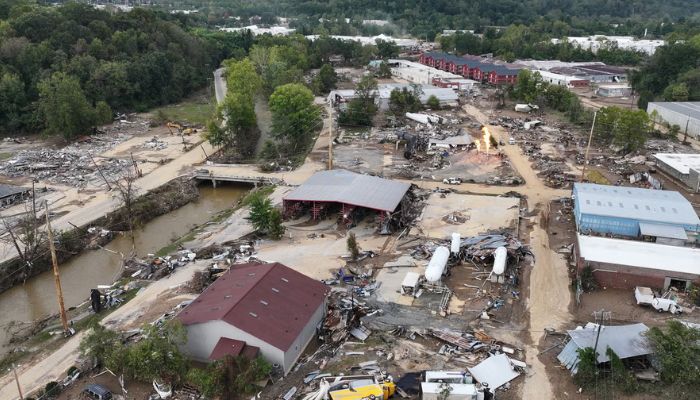
The new initiative will be utilizing photographs submitted by the public, both before and after a disaster in order to track ground conditions in affected areas.
NASA is actively encouraging the public to participate in this program especially for the people residing in the Southeast, the region often devastated from the hurricanes, tropical storms and flooding.
NASA said, “Your contributions could ultimately help emergency managers make faster and better-informed decisions when it matters most and strengthen your community’s ability to respond and recover from disasters.”
Keeping in view the current situations, these timely stamped images will be shared directly with emergency responders.
A coordinator for NASA’s Disasters Response Coordination System, Kristen Okorn, said, “We’re exploring how citizen science can support disaster response in ways that Earth observation data alone can’t."
He further explained, “A single photo of land cover, whether it is a flooded street, fallen trees, or even an undamaged area can offer helpful context.”
The space agency lays emphasizes that there is an inherent risk during hurricane season. It would be more beneficial that members of the public not put themselves in danger to take photos, they can share particularly when collecting data in the midst or instantly after a severe storm.
The data collection process is requested in areas of the south and southeast United States, including the states of Tennessee, Texas, Louisiana, Virginia, South Carolina, Georgia, Florida, Mississippi as well as Puerto Rico and the U.S. Virgin Islands.





-
 Ryan Coogler explains why his latest project 'Sinners' is so close to his heart
 -
 Who is Punch? Here’s everything to know about the viral sensation winning over internet
 -
 Matty Healy sets summer wedding date close to ex Taylor Swift's nuptials
 -
 Kayla Nicole reveals surprising reason behind separation from Travis Kelce
 -
 Kate Walsh remembers her 'Grey’s Anatomy' co-star Eric Dane following his death at 53
 -
 Barry Manilow gives insight into 'very depressing' doctor visit as he postpones 2026 arena tour due to cancer
 -
 Eric Dane 'really wanted to talk about his daughters' in his final Netflix interview before death
 -
 Influencer dies days after plastic surgery: Are cosmetic procedures really safe?