Australian birds show surprising first-ever sex reversal in new study
Scientists have witnessed increasing rate of sex reversal in Australian species
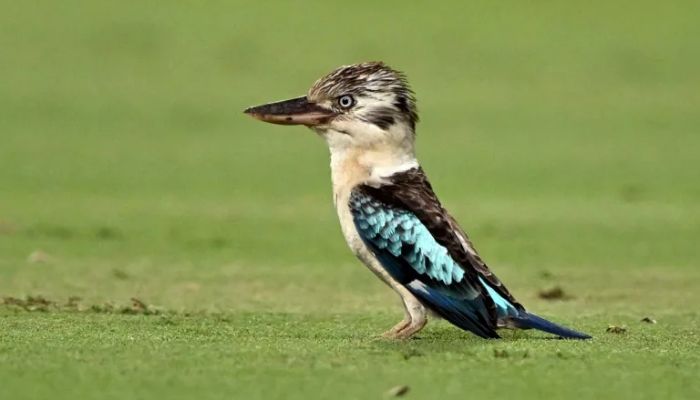
Researchers have found an unexpected surging rate of sex reversal in wild Australian birds. However, the cause is unknown yet according to a new study.
Scientists from the University of the Sunshine Coast have studied 5 common Australian species including kookaburras, lorikeets, and magpies.
Surprisingly, they found that 6 percent of birds show distinct sex patterns after their birth as they carry the chromosomes of one sex but the reproductive organs of another sex.
According to researchers, the unexpected phenomenon can be caused by environmental triggers, climate change and high rates of pollution.
Dominique Potvin, co-author of the study said, “This indicates that sex determination in wild birds is more fluid than we thought, and can persist into adulthood.”
The research was also based on the DNA tests performed on 500 birds. The majority of sex reversals occurred in genetically female birds growing male reproductive parts, gonads.
“We also discovered a genetically male kookaburra who was reproductively active with large follicles and a distended oviduct, exhibiting recent egg production,” said Potvin.
When it comes to certain species of fish and reptiles, the sex reversal phenomenon is not out-of-the-box. However, in wild birds and mammals, reversal is quite rare.
The cause of sex reversal is unknown. Previously researchers have documented that chemicals and temperatures can trigger sex reversal in frogs.
Potvin commented, “Understanding how and why sex reversal occurs is vital for conversation and for improving the accuracy of birth research.”


-
 Christopher Nolan slams Hollywood studios ahead of 'The Odyssey' release: 'I can do this'
 -
 Australian man arrested in Thailand following discovery of 17-year-old’s body in suitcase
 -
 Sheriff Chris Nanos breaks silence after claims about Savannah’s mother Nancy Guthrie video
 -
 Taylor Swift and Travis Kelce's wedding guest list revealed
 -
 New GTA 6 features confirmed: Dual protagonists, larger map, social feeds
 -
 Arrest warrant issued for Eminem’s ex-wife Kim Scott
 -
 Why Netflix’s expanded deal for Russian cartoon ‘ Masha and the Bear’ is sparking backlash in Ukraine
 -
 Brad Pitt rejects marriage plans with Ines de Ramon: 'Never feels like his girlfriend'