
WWE icon Hulk Hogan dies aged 71: Sylvester Stallone heartbroken
Professional wrestler Terry Bollea, popularly known as Hulk Hogan, dies from cardiac arrest
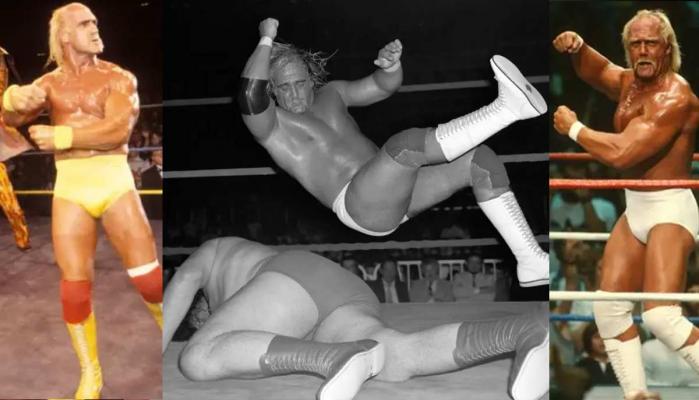
Professional wrestler Terry Bollea, popularly known as Hulk Hogan, breathed his last on Thursday at the age of 71, according to World Wrestling Entertainment (WWE).
Hogan is widely recognised as the biggest wrestling star of all time and helped WWE become the behemoth.
In the 1980s and 1990s, Hogan’s larger-than-life personality made him a household name and a crossover mainstream star, starring in movies and recognised around the world.
“WWE is saddened to learn WWE Hall of Famer Hulk Hogan has passed away. One of pop culture’s most recognizable figures, Hogan helped WWE achieve global recognition in the 1980s,” the company said in a post on X. “WWE extends its condolences to Hogan’s family, friends, and fans.”

What Happened to Hulk Hogan?
The city of Clearwater, Florida, said in a statement that police and fire personnel were dispatched to Bollea’s home after a report of an individual in cardiac arrest.
He was treated by fire and rescue crews when they arrived and was transported to Morton Plant Hospital, where he was pronounced dead.
Sylvester Stallone's reaction
Hollywood legend Sylvester Stallone has also paid emotional tribute to Hulk Hogan, saying the wrestler was "absolutely wonderful and his amazing skill made Rocky three incredibly special".
"My heart breaks," he says on Instagram.
Hogan enthralled cinema goers with his skills alongside Stallone in the 1982 movie Rocky III.
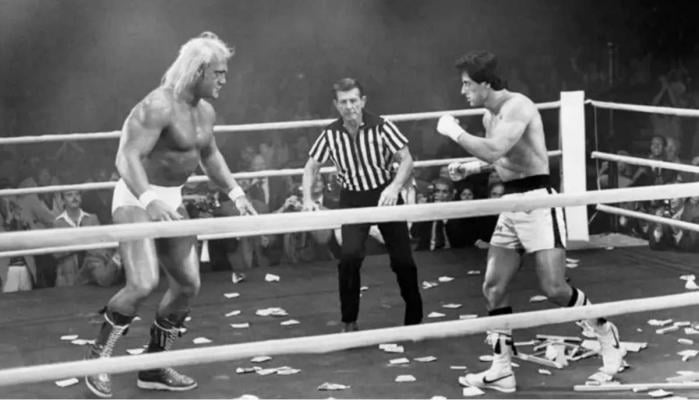
He was one of the most popular figures in the history of wrestling. The legend was also one of the most divisive. He carried the WWE (then WWF) on his back during the wrestling boom in the 80s and is widely credited with giving “sports entertainment” mainstream appeal.




-
 Kylie Kelce reveals why she barely planned her wedding day?
 -
 Paul Anthony Kelly opens up on 'nervousness' of playing JFK Jr.
 -
 'Finding Her Edge' creator explains likeness between show and Jane Austin novel
 -
 How AI boyfriends are winning hearts in China: Details might surprise you
 -
 James Van Der Beek's final days 'hard to watch' for loved ones
 -
 Will Smith, Jada Pinkett's marriage crumbling under harassment lawsuit: Deets
 -
 Khloe Kardashian reveals why she slapped ex Tristan Thompson
 -
 Taylor Armstrong walks back remarks on Bad Bunny's Super Bowl show