Unicef warns of vulnerable children amid 'worst' water scarcity in South Asia
As many as 739 million children face 'water scarcity' worldwide, report reveals
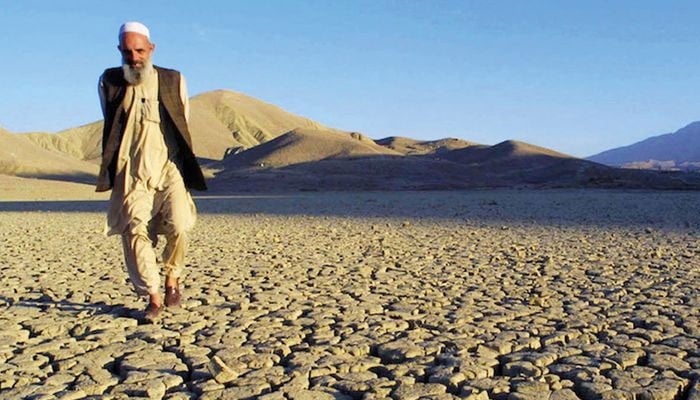
The United Nations Children's Fund (Unicef) has rung alarm bells warning of millions of children being "at risk" due to worsening water scarcity in the South Asian region.
According to the UN agency's "The Climate Changed Child" report, the majority of the children affected by water scarcity reside in South, South East Asia, Central Asia, and some sub-Saharan countries.
The report is worrisome as South Asia is home to one-quarter of the world's children and is one of the worst-affected regions by climate change,
According to the agency, as many as 739 million children around the world are facing "high or very high" water scarcity — which is ascertained via composite measures of baseline water stress, seasonal variability, interannual variability, groundwater table decline, and drought risk.
A high Unicef Children’s Climate Risk Index reflects increased exposure to risks associated with water scarcity.
The report also highlighted that 436 million children are facing "extreme water vulnerability", which is categorised as the double burden of high or very high water scarcity.
Extreme water vulnerability is a key contributor to the deaths of children under five years of age due to "preventable diseases".
Terming the adverse effects of climate change as "devastating" for children, UNICEF Executive Director Catherine Russell said that the phenomenon particularly affects children's physical and mental health.
Meanwhile, Unicef South Asia head Sanjay Wijesekera has also acknowledged that millions of children in the region facing a shortage of drinking water.
Terming investments in safe drinking water and sanitation services" as the "first line of defence to protect children from climate change impacts", the report further warns that 35 million children will be vulnerable to "high or very high water stress levels" — the ratio of total water demand to available surface, groundwater supplies — by the year 2050 in South Asia, Middle East and North Africa regions.
Unicef, at COP28, has called on world leaders to embed children in the Global Stocktake (GST) and include "children and climate resilient essential services within the final decision on the Global Goal for Adaptation (GGA)."


-
 Trump calls for Ukraine to replace Zelensky as president
 -
 Pope Leo condemns death penalty as Trump mulls livestreamed execution
 -
 Christa Pike returns to prison after hospital discharge
 -
 ‘Neither wanted to hang up’: Kremlin reveals key details of Trump-Putin call
 -
 Probe launched into trades tied to Katie Zacharia selection
 -
 Ireland seeks 8% cut to EU’s proposed seven-year budget
 -
 Jane Doe defends text message evidence in Cornell 7 assault case
 -
 Hurricane Isaias downgrades to post-tropical cyclone after Florida landfall
-
 Zelenskyy takes swipe at US-Russia diesel deal: ‘Peace never comes through weakness’
 -
Ottawa’s Father Joe LeClair, dies after years of ministry and high-profile fraud conviction
-
Two Latvian nationals arrested after hole found in fence at UK military base
-
Canada faces labour shortages and inflation risks as population ages, report warns