
Five planets to decorate sky, here is how to watch rare alignment
This rare alignment of Mercury, Venus, Mars, Jupiter, and Uranus occurred back in 2005, 2016, and 2020
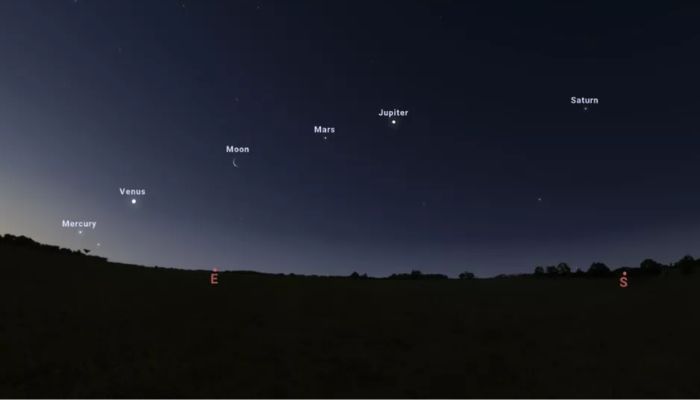
While many of us would like to watch planets of our solar system and the universe in live action, not all of us have telescopes, let alone advanced ones. Therefore, many people look out for rare opportunities where we can look at the night sky and witness planets with our naked eye.
In another celestial dance, five planets will be reportedly lining up on March 28 2023 to create a unique astronomical sight. Those who love stars and planets will be delighted as the spatial objects align and become visible after sunset.
Mercury, Venus, Mars, Jupiter, and Uranus will astonish skywatchers soon. Being the brightest of them all, Venus and Jupiter will be easily seen. Uranus is dimmer and might require binoculars. Mars would also be faint but will be visible in a clear sky.
Mercury would also be seen with such binoculars.
The March 28 planet alignment is a much-anticipated event. Former astronaut Dr Buzz Aldrin, who was the second person to set foot on the moon has also been waiting for this spectacular sight. On his Twitter account, he informed people about the rare alignment and said to look up for the eye-catching scene.
He wrote: "Don't forget to look to the sky at the end of the month for the planetary alignment which will have at least five planets – plus the moon – all visible in almost an arc shape as seen from Earth."
Rick Fienberg, who is a senior advisor to the American Astronomical Society, believes that seeing all five planets simultaneously would be a bit difficult as it's dependent on the viewers' location. He suggested choosing a place where the sky is clear to witness the planets.
This rare alignment occurred back in 2005, 2016, and 2020. The planets would be aligned in an arc shape rendering it a mesmerising view for space lovers.



-
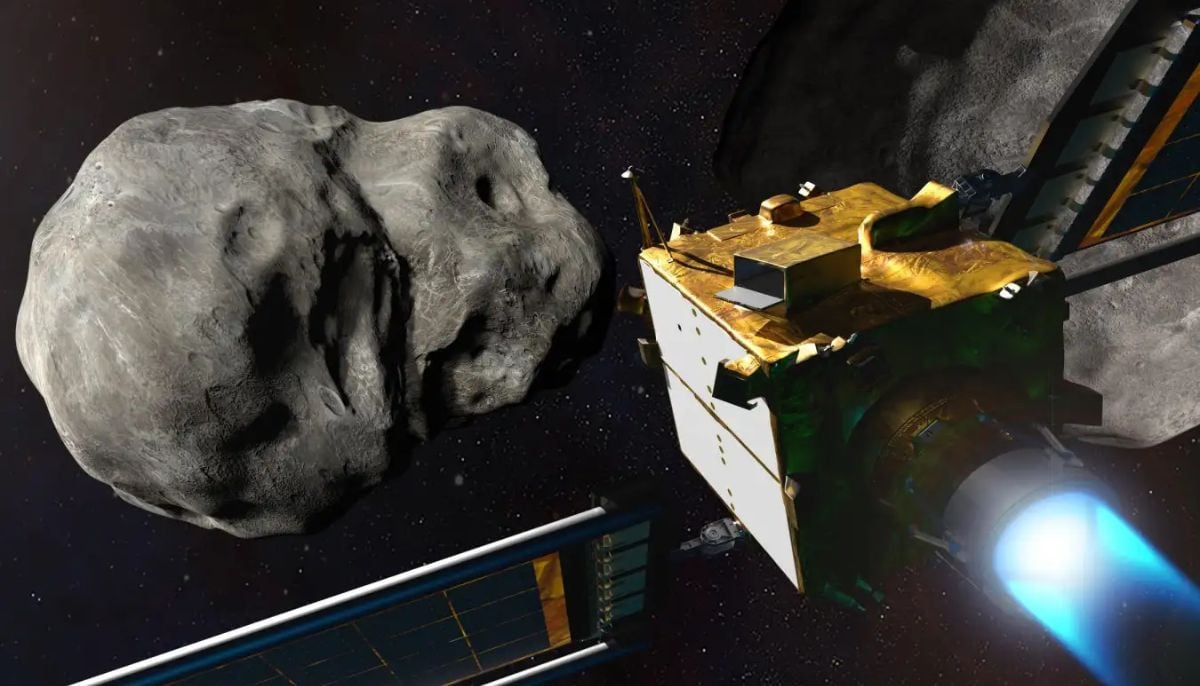 How NASA’s DART mission successfully shifted an asteroid’s orbit for planetary defense
 -
 NASA reveals asteroid defense breakthrough to protect Earth from killer space rocks
 -
 Antarctica lost ice equal to 10 times Los Angeles in 30 years, study finds
 -
 Massive 44-foot asteroid nears Earth: What you need to know
 -
 Scientists rediscover ‘extinct’ tiny Possum & Glider in West Papua after 6,000 years
 -
 Can humans grow food on Moon? New research says yes
 -
 Everything we know about Michael Sheen’s 'You Told Us To Talk About the Weather'
 -
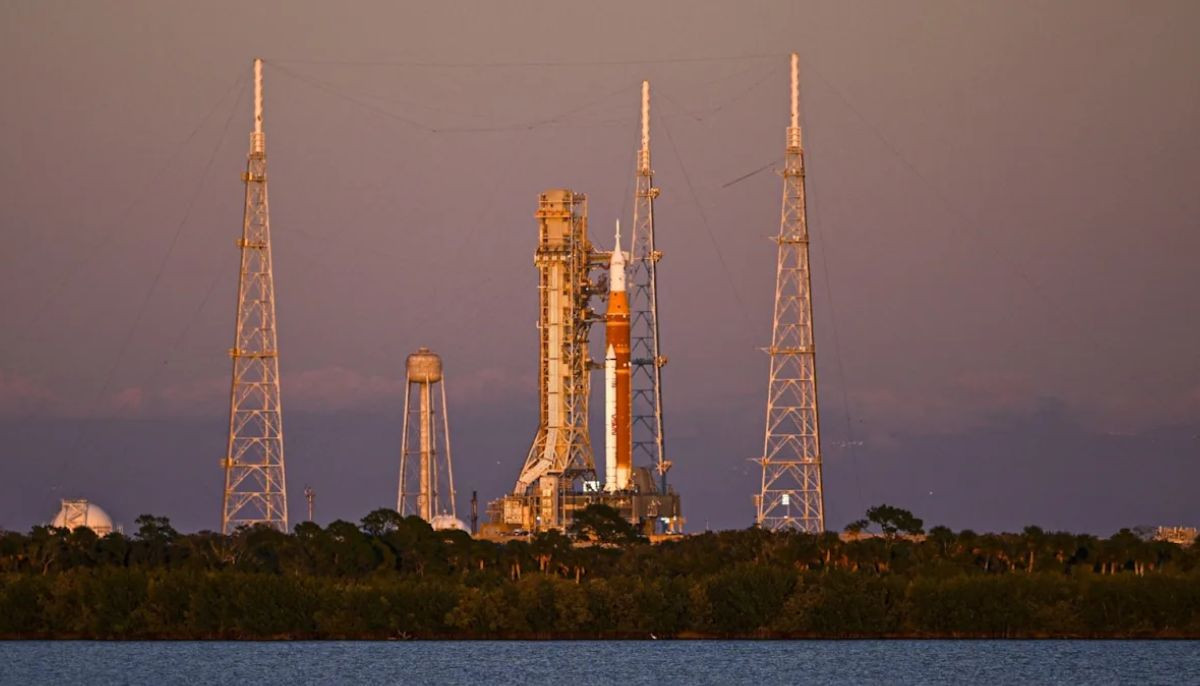 NASA restructures Artemis mission, pushing first lunar landing to 2028