
Why is everyone talking about Venus and Jupiter?
Venus generally conjuncts Jupiter about 3 years and 3 months — making it a rather rare event
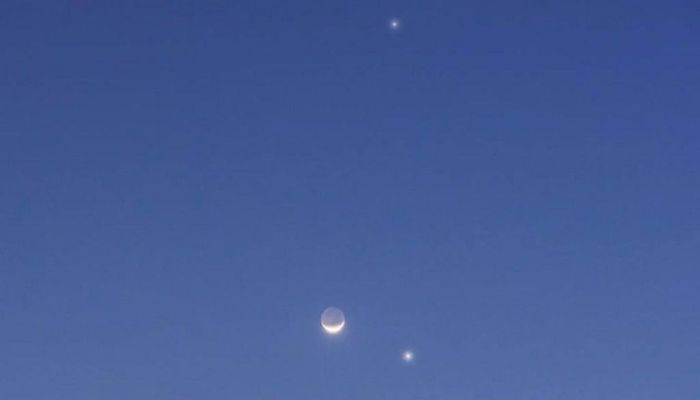
The alignment of Venus, Jupiter, and the moon was clearly visible on Wednesday morning when the three brightest objects in the night sky came together, according to Space.com. This amused people all across the world as it is a rare event.
Photographers captured the planets' conjunction and flooded Twitter with shots of Jupiter. According to Space.com, the moon travelled to Venus, the planet closest to the sun, before approaching Jupiter, the gas giant at the centre of the solar system.
"On February 22, 2023, soon after sunset, the moon, Venus, and Jupiter will be in the same spot of the sky, within eight degrees, offering an outstanding show," Gianluca Masi, who heads The Virtual Telescope Project, had written in a statement.
"The Virtual Telescope Project is ready to share the vision with you, with those cosmic gems hanging above the legendary skyline of Rome, the Eternal City."
Excited skywatchers can still see the moon and planets aligning today even if they missed the breathtaking event last night.
The two planets seemed to be separated by around "three fists." There were roughly nine degrees between the two planets on February 20. By February 27, the disparity will have decreased to 2.3 degrees.
The planets will be 0.52 degrees apart at their closest on March 1.
Thanks to the digital era, no one really misses anything. A time-lapse by People's Daily shows the stunning celestial event.
Excited netizens flooded Twitter, sharing their enthusiasm and astonishment with the rest of the world.




-
 Blood Moon 2026: Best viewing tips, timing, and locations for tonight’s eclipse
 -
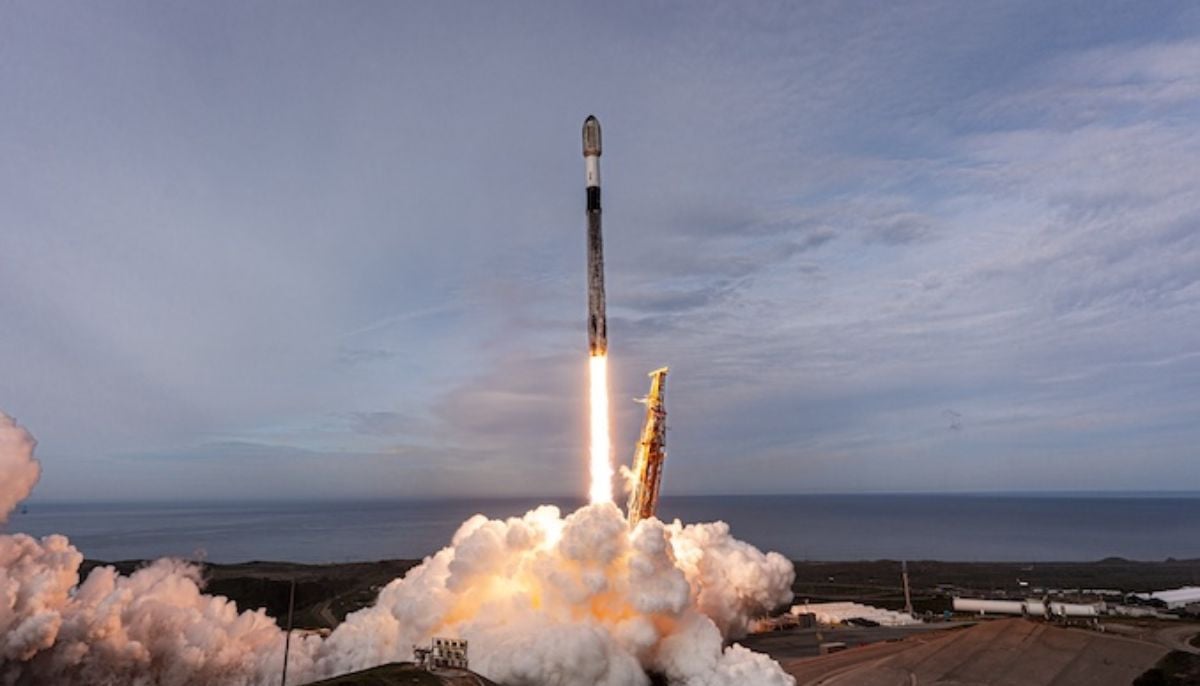 SpaceX launches 25 Starlink Satellites on its Falcon 9 booster from the West Coast
 -
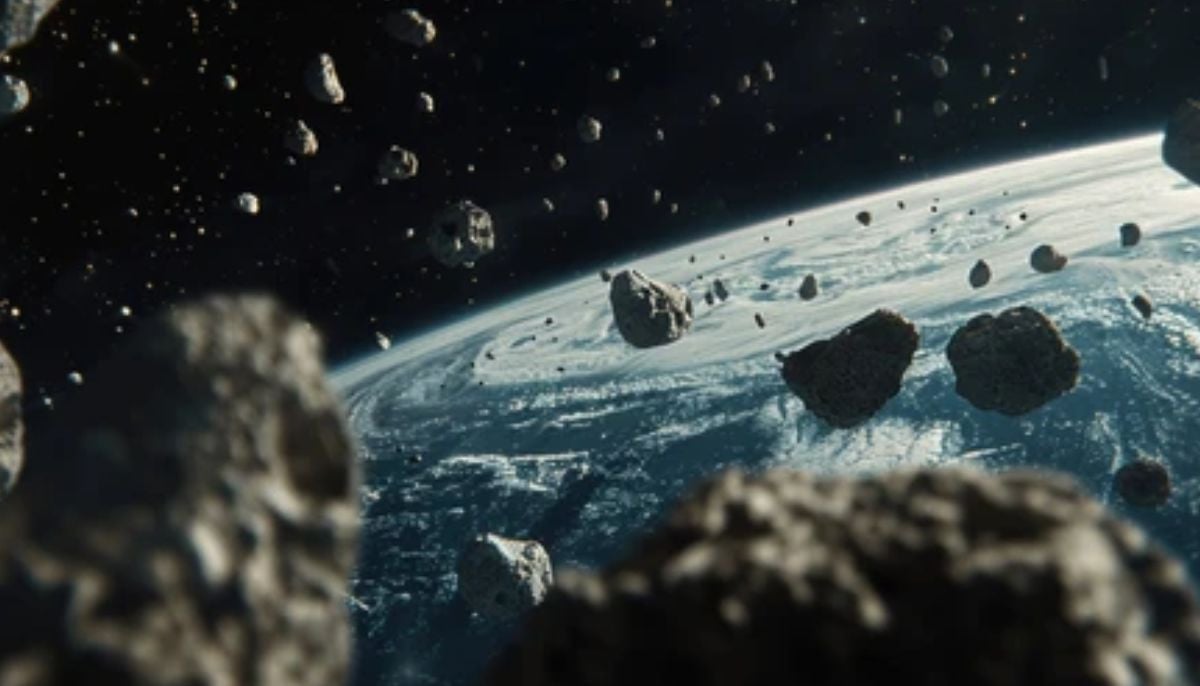 New observatory sends 800,000 asteroid alerts in one night
 -
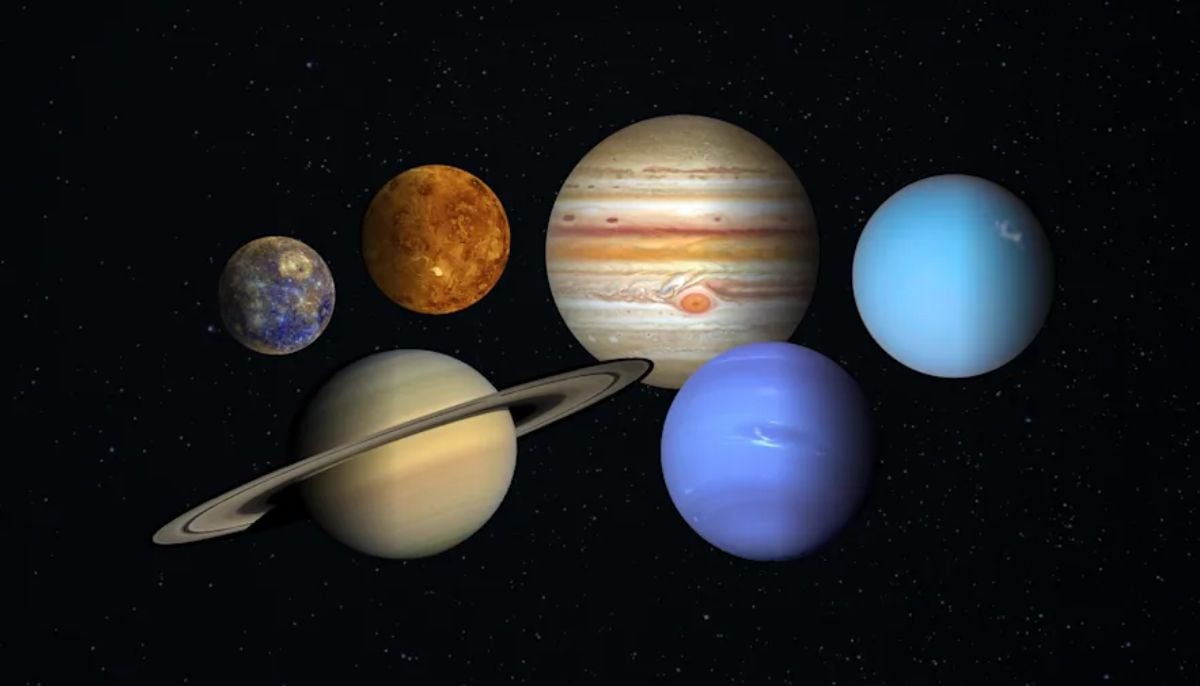 Planetary parade 2026: Here's how to see six planets aligning today
 -
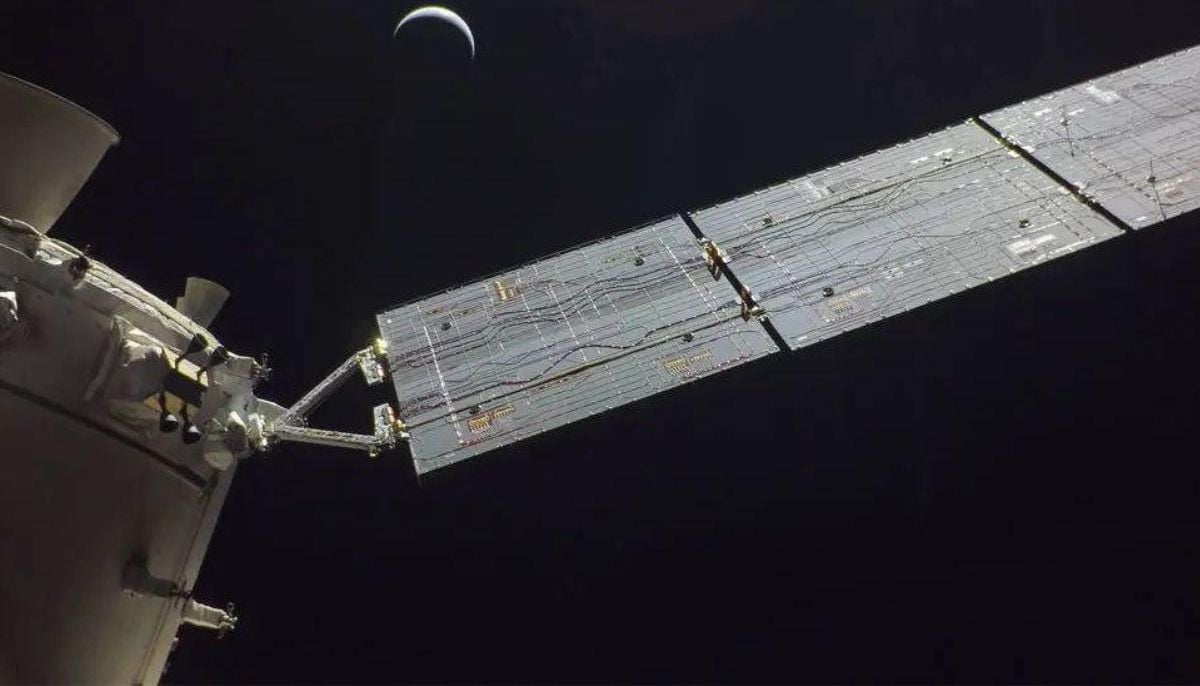 NASA announces new Artemis moon mission aimed at expanding astronauts’ exploration efforts
 -
 Is human mission to Mars possible in 10 years? Jared Isaacman breaks it down
 -
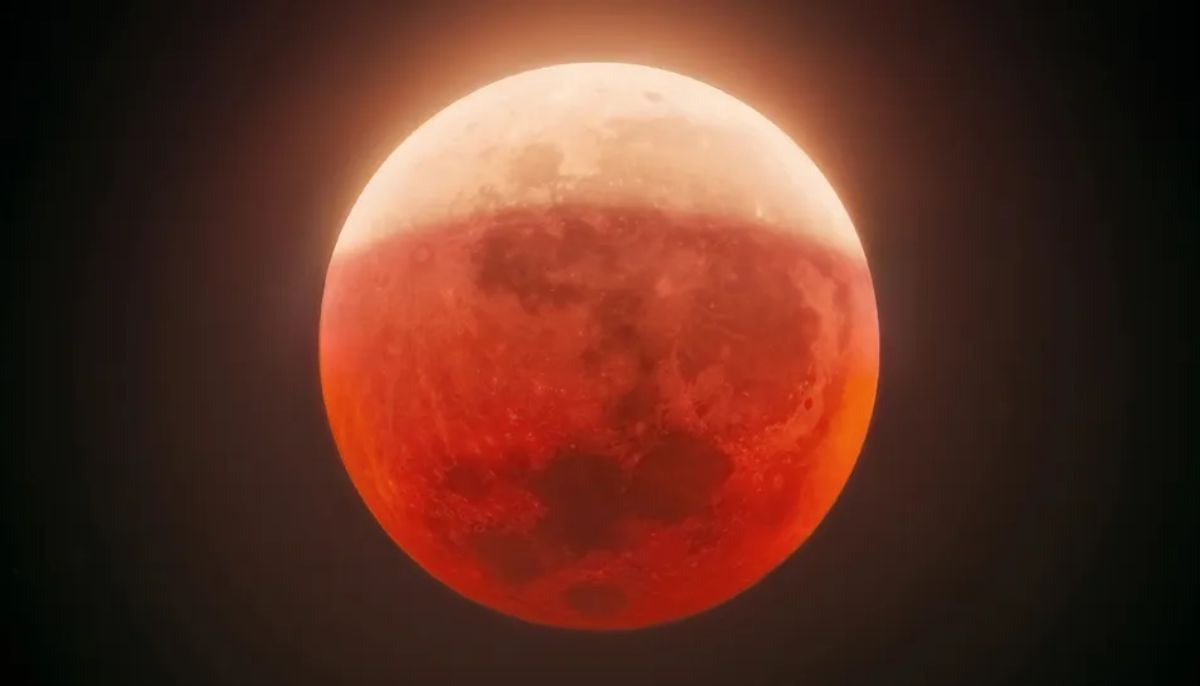 Total lunar eclipse to turn Moon red on March 2-3
 -
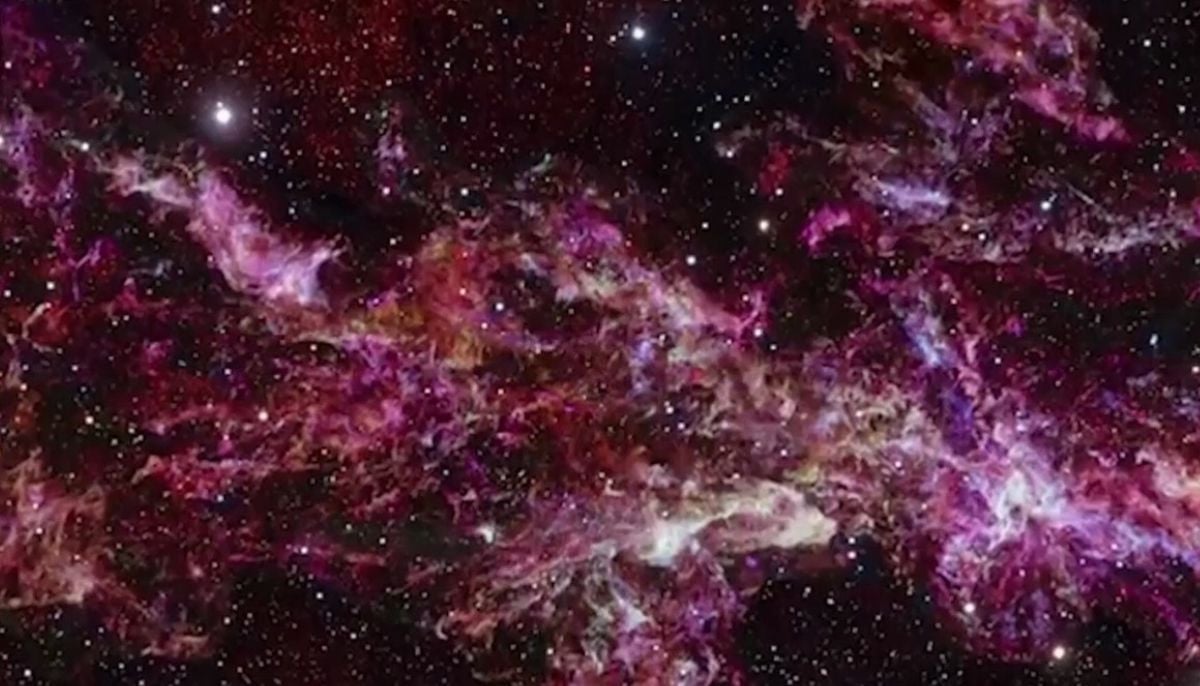 Stunning new photos of the Milky Way shed light on how stars are formed