Wolf Moon 2026: Will the full moon outshine the Quadrantid meteor shower?
The Quadrantids have the ability to produce fireball meteors that surpass the brightest planets
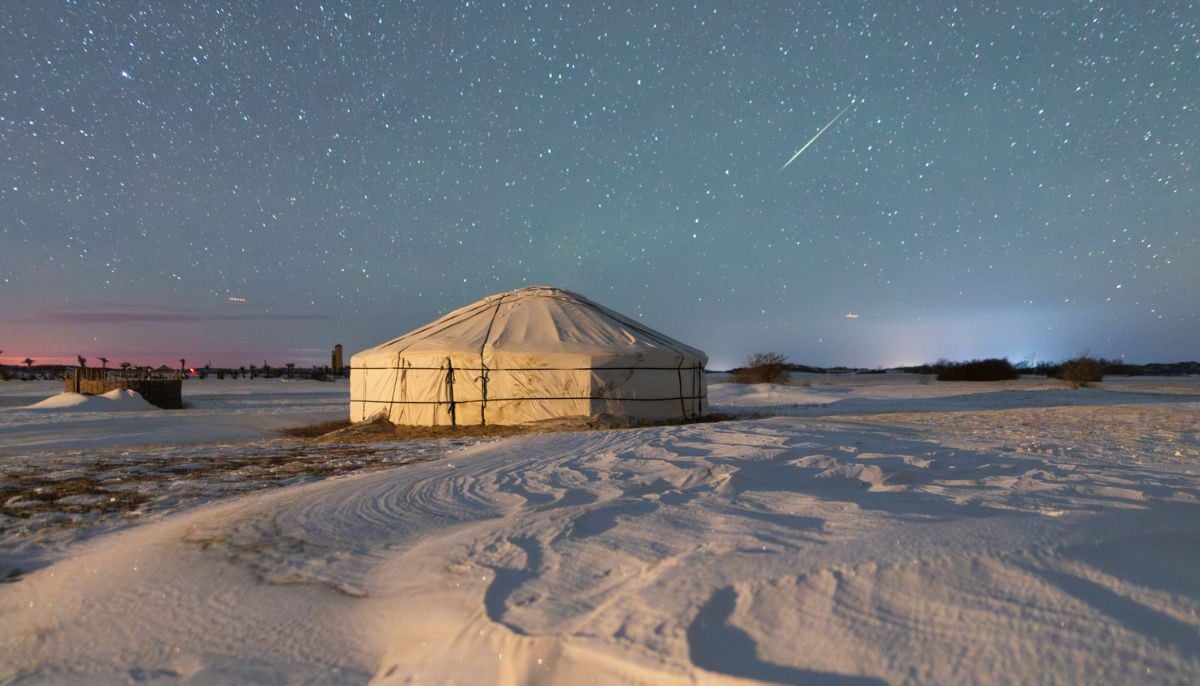
The Quadrantid meteor shower reaches its peak tonight, but the Wolf Moon will significantly outshine the display. Only the brightest members may be visible, as this event culminates under the bright light of a Full Supermoon.
The Quadrantid meteor shower is active from December 26 with a narrow peak lasting roughly six hours that unfolds in the morning twilight this January.
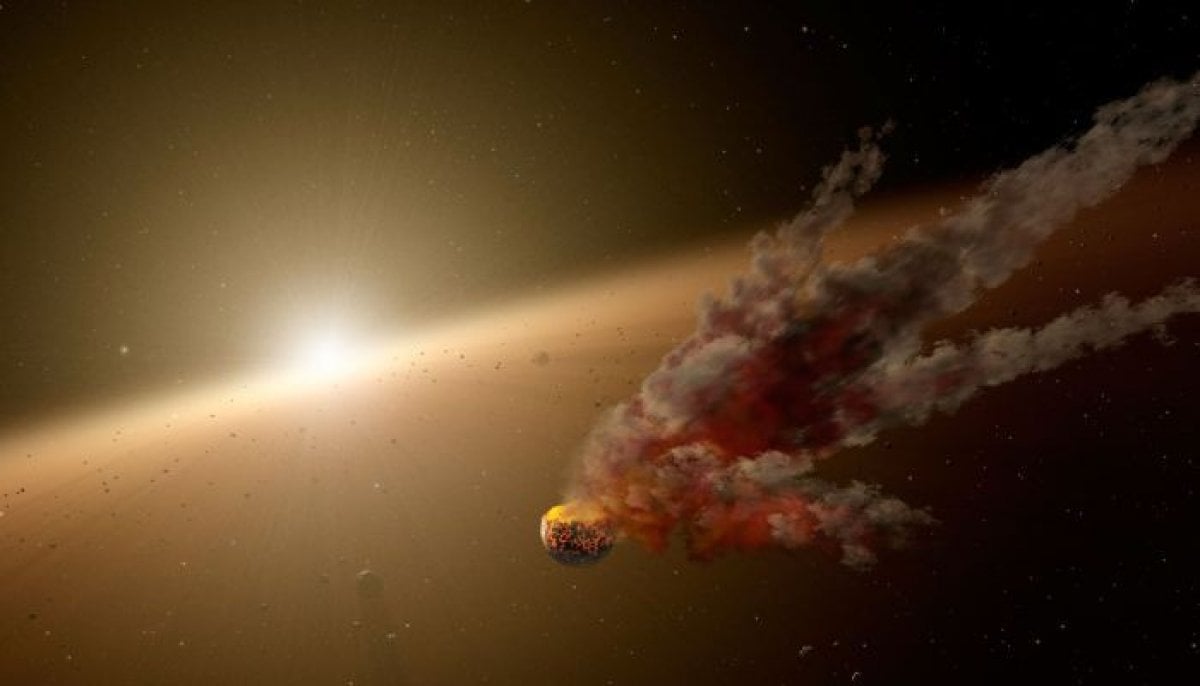
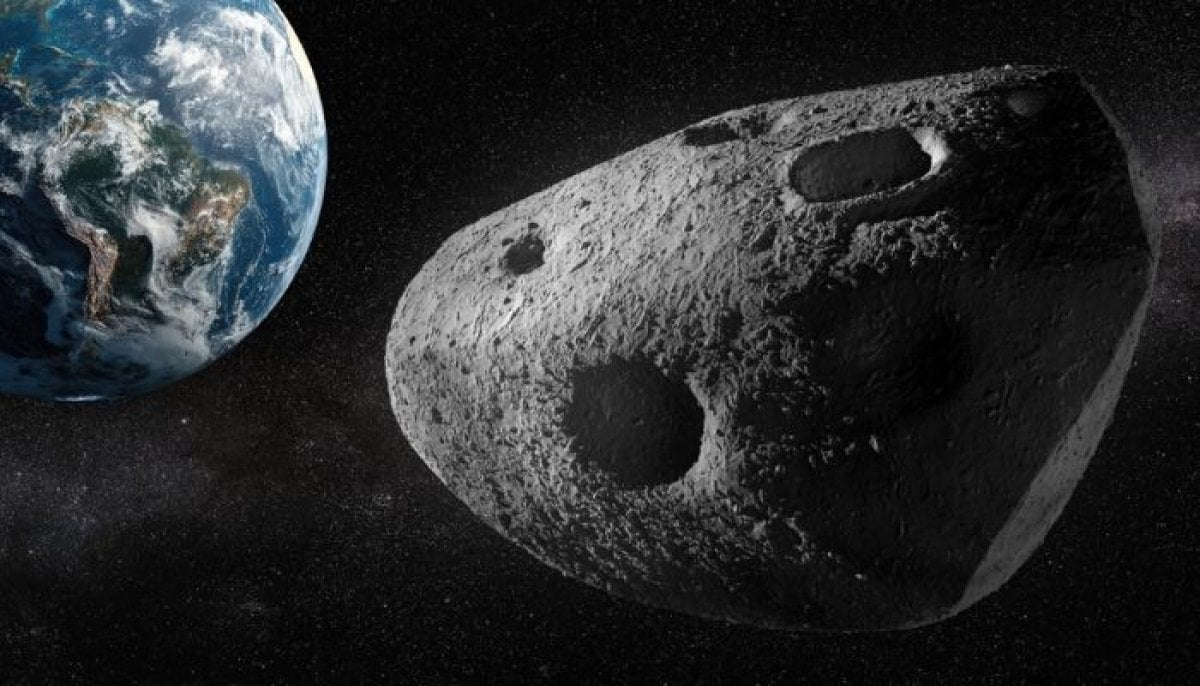
The shooting stars appear when fragments of an asteroid collide with Earth’s atmosphere.
Celestial display: Wolf Supermoon meets Quadrantid meteor shower
Quadrantid meteor showers are capable of generating spectacular displays, with up to 200 shooting stars visible under dark sky conditions around the peak.
According to NASA, the predictions call for an hourly rate of just 10 meteors per hour on the night of the peak.
The January full moon is often called the “Wolf Moon” in reference to predators heard howling during the scarcity of winter; however they do not actually howl at Earth’s satellite.
According to Space.com, meteors associated with the Quadrantid shower appear to radiate from a patch of sky which is close to the Big Dipper, a prominent asterism in the Ursa Major constellation-a circumpolar feature in the Northern Hemisphere.
Quadrantid meteors can appear in any part of the sky. It is best not to look exactly at the radiant, as the trails will appear at their shortest there.
The Quadrantid meteor shower is one of the strongest of the year, but this year the Wolf Moon is going to outshine most of the display.






-
 SpaceX gets green light for Starship’s next test flight following mishap probe
 -
 Tiny 2-inch space debris discovered in key satellite orbit, scientists warn
 -
 Could future moon landings cost humanity Earth's greatest secret? Scientists think so
 -
 What happens when a whale dies? Scientists explains surprising process
 -
 China's Long March-10B rocket recovery shakes up space race
 -
 NASA is hiring volunteers for year-long Mars mission simulation: Here's how to apply
 -
 Mount Etna may have different origin as study reveal new facts about its formation
 -
 What did NASA capture? Chief says mysterious UFO images remain unexplained