February full moon 2026: Snow Moon date, time and visibility
February full moon 2026 is expected to appear on Febuary 1, 2026
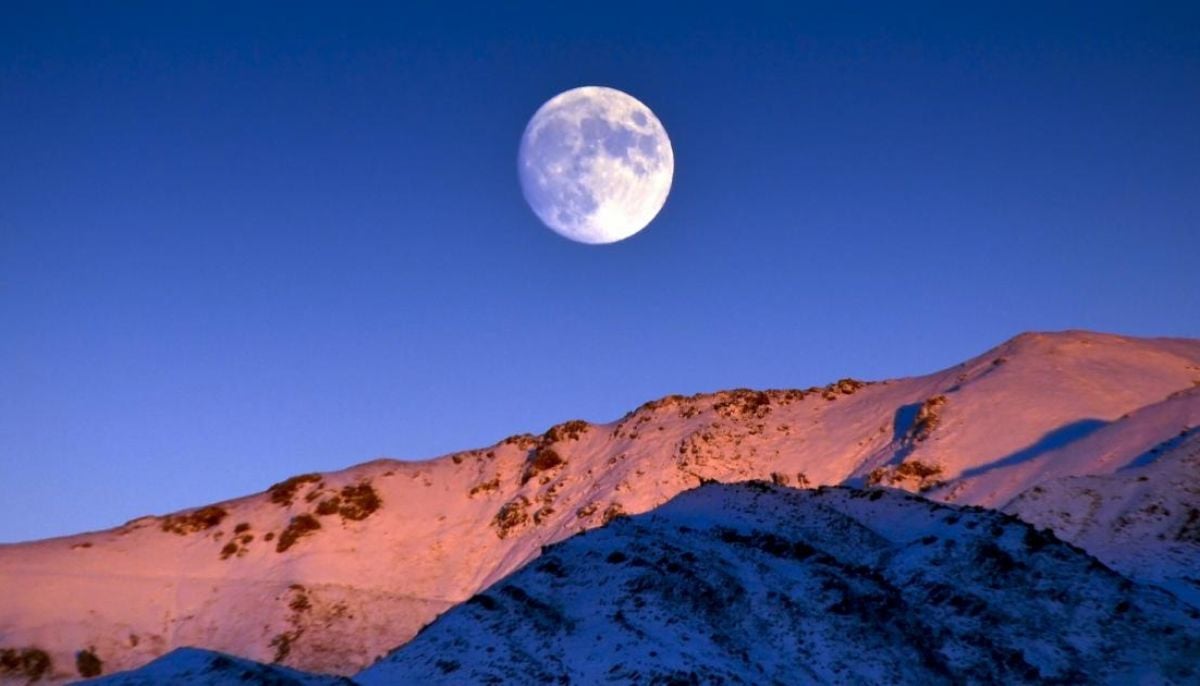
The February full moon, popularly known as the Snow Moon, is expected to shine at its brightest on February 1, 2026, adding that wintry luminescence for sky gazers globally.
The Snow Moon got its name from the heavy snowfalls that fall, usually, across the Northern Hemisphere during the month of February. It is also traditionally called, among various Native American tribes in North America, the Hungry Moon and the Bear Moon. In some areas this moon is also known as Storm Moon, reflecting how winter often comes with natural disasters after the full moon.
The February 2026 full moon also coincides with Guru Ravidas Jayanti’s birthday, who is known as the great Indian mystic Guru Ravidas in the South Asia region. This night is also recognised in India as the date for Magha Purnima, when people are doing worship, fasting, and donation to charity.
When and how to see Snow Moon 2026?
Reportedly, Snow Moon is set to peak at its brightest around 5:09pm EST on February 1, 2026. In the UK, the full moon is expected to appear at 10:09pm GMT, while in Asia and Australia it will be seen during the morning hours of February 2.
This February Snow Moon 2026 will be best visible in the east of the sky shortly after the sunset on February 1. It will rise near the constellation Cancer and will appear really big due to the moon illusion. The best view to watch the Snow Moon will be an open wide sky location where you can have the clear eastern view.
Moreover, planets like Jupiter shine high in the eastern sky, while Saturn appears briefly after sunset in the west. February's full moon in 2026 is also a great chance to explore lunar features with binoculars or a telescope.


-
 King Charles visits Jewish community after Prince Harry's article on antisemitism in UK
 -
 Israel-Lebanon talks kick off in Washington with US officials involved
 -
 White House says Trump and Xi aligned on Iran's nuclear threat
 -
 Wes Streeting quits UK government, says he has ‘lost confidence’ in Keir Starmer
-
 Can we finally find aliens? Scientists reveal a surprising new ‘organizational’ approach
 -
 Study reveals how to tell real alien life from chemical fakes
 -
 Scientists find hidden third ancestral group in Japanese genomes
 -
 SpaceX ‘Space Junk’ is on a collision course with the Moon, scientists say
 -
 Do you know what happened on May 10, 1967? NASA's M2-F2 disaster explained
 -
 Why the Southern Ocean is melting: Antarctica’s sea ice resilience reaches a breaking point
 -
 Giant black holes are cosmic ‘Frankensteins’ built by mergers, new study reveals
 -
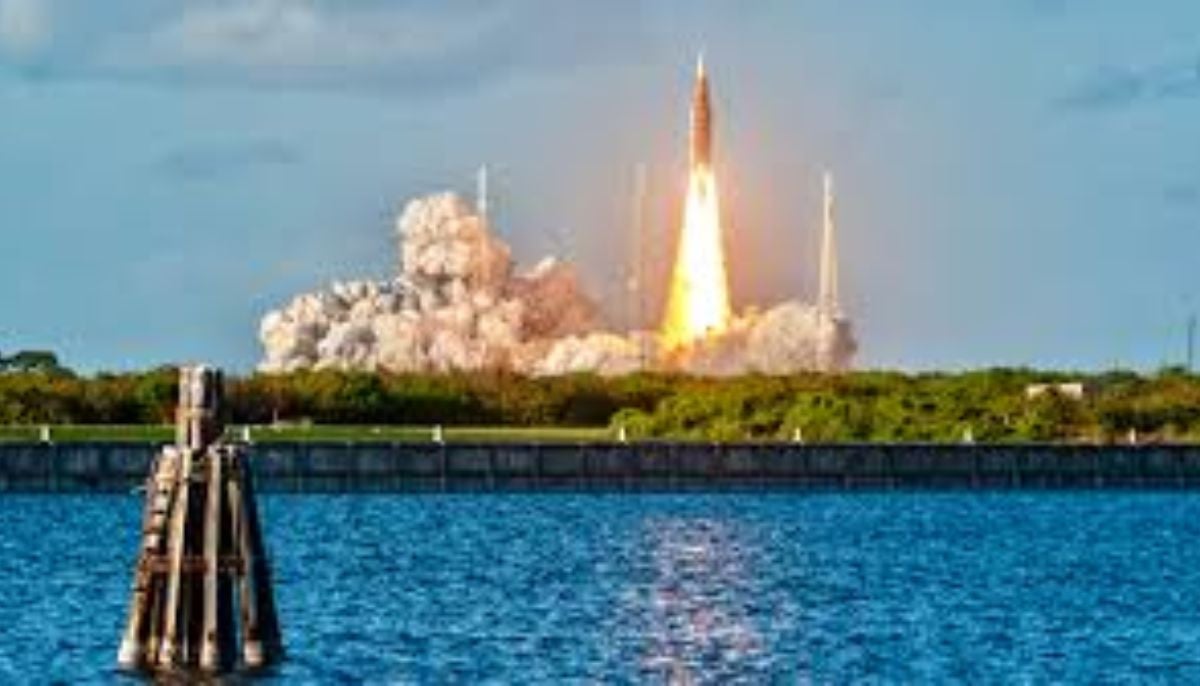 NASA’s Artemis 2 moon launch becomes the largest event in Space Coast history
-
 Is success written in your DNA? New study reignites nature vs nurture debate
 -
Researchers found 240-million-year-old giant mysterious 'sand creeper'
-
New solar-powered process turns plastic waste into clean hydrogen
-
Giant squid detected off Western Australia coast as deep-sea study reveals hidden species