SpaceX mission 2026: The Italian radar satellite takes its first orbital flight
This marks SpaceX’s 21st successful flight and landing for this specific rocket booster
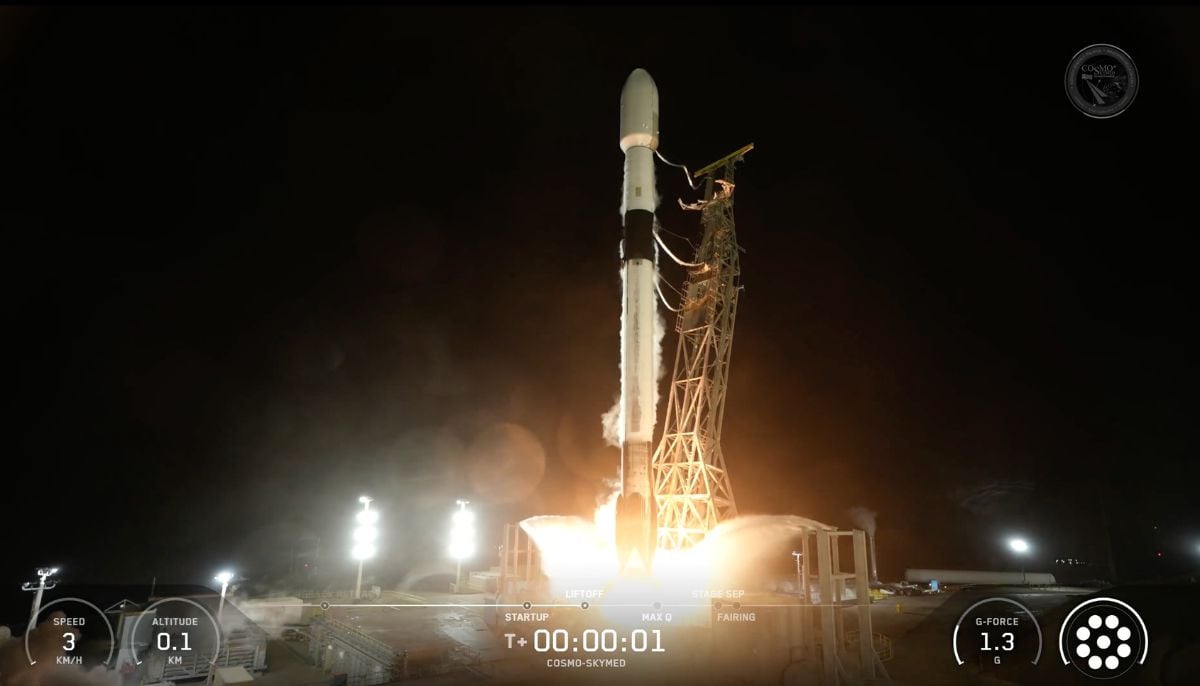
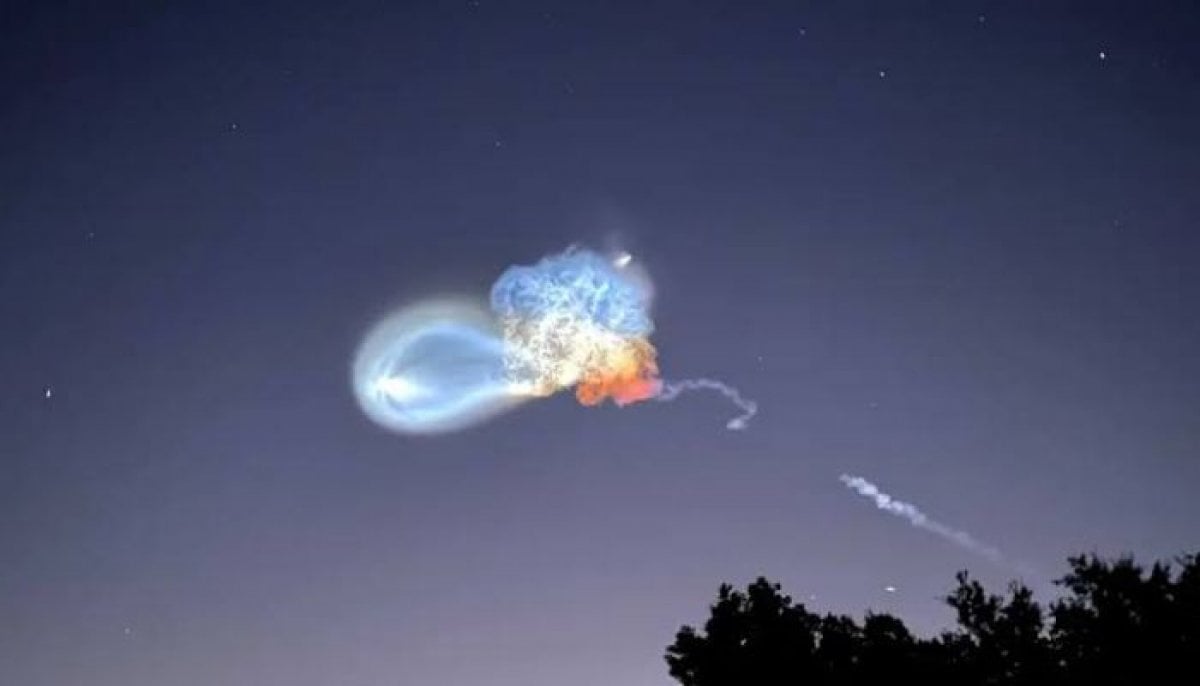
SpaceX has officially kicked off the global launch calendar as a Falcon 9 rocket lifted off from Vandenberg Space Force Base in California at 9:09 p.m., carrying an Italian Earth-observation satellite to orbit.
The rocket’s primary stage landed back at Vandenberg as planned about 8.5 minutes after liftoff.
According to SpaceX, it was the 21st flight for this specific booster.
Successful satellite deployment for SpaceX’s first 2026 mission
The Falcon 9 successfully deployed its payload -a COSMO-SkyMed Second Generation satellite-into low Earth orbit for the Italian Space Agency and the Italian Ministry of Defence.
The spacecraft will study Earth using remote sensing while accumulating all data at all times of day and in all weather conditions from an altitude of 385 miles (620 kilometers).
According to the European Space Agency explainer, COSMO-SkyMed Second Generation is a satellite constellation designed to “monitor the Earth for the sake of emergency prevention, strategy and commercial purposes.
Its applications include risk management, environmental protection, natural resource exploration, defense and security and food & agriculture management.
It’s not surprising at all that SpaceX is already breaking records this year. Elon Musk’s company launched 165 orbital missions in 2025, surpassing every other entity- commercial or governmental-in the world.
The recent mission marks a significant milestone for both SpaceX and the international space community.


-
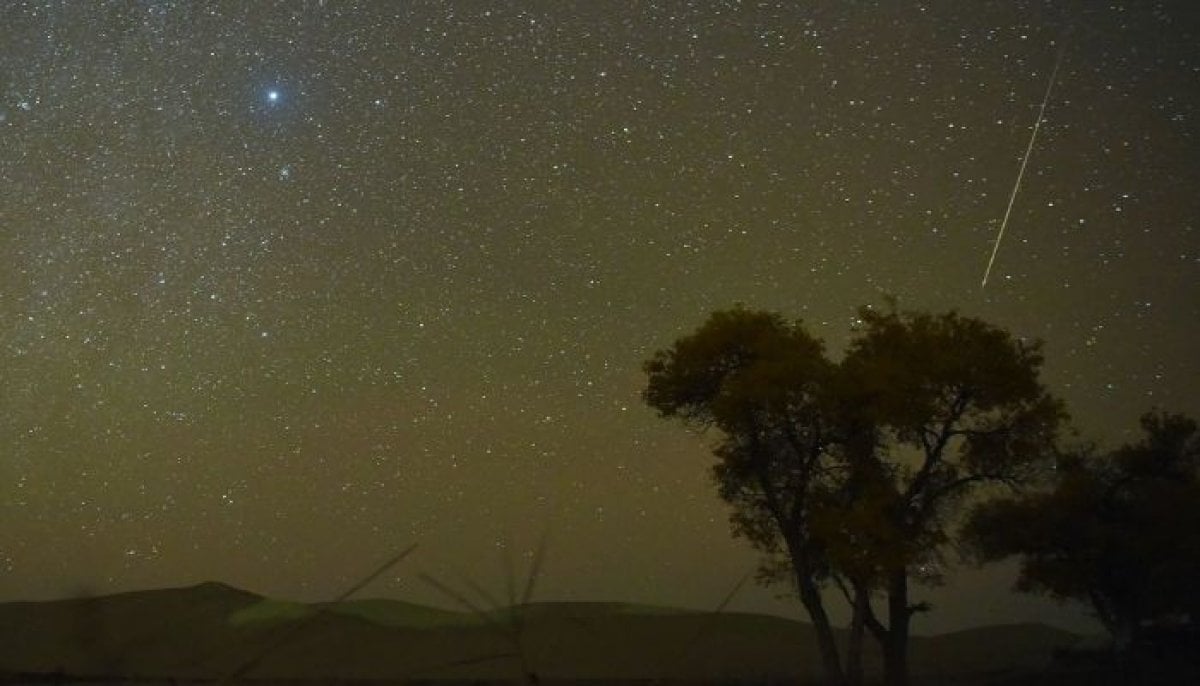 Orionid meteor shower 2026: Peak date, viewing tips and what to expect
 -
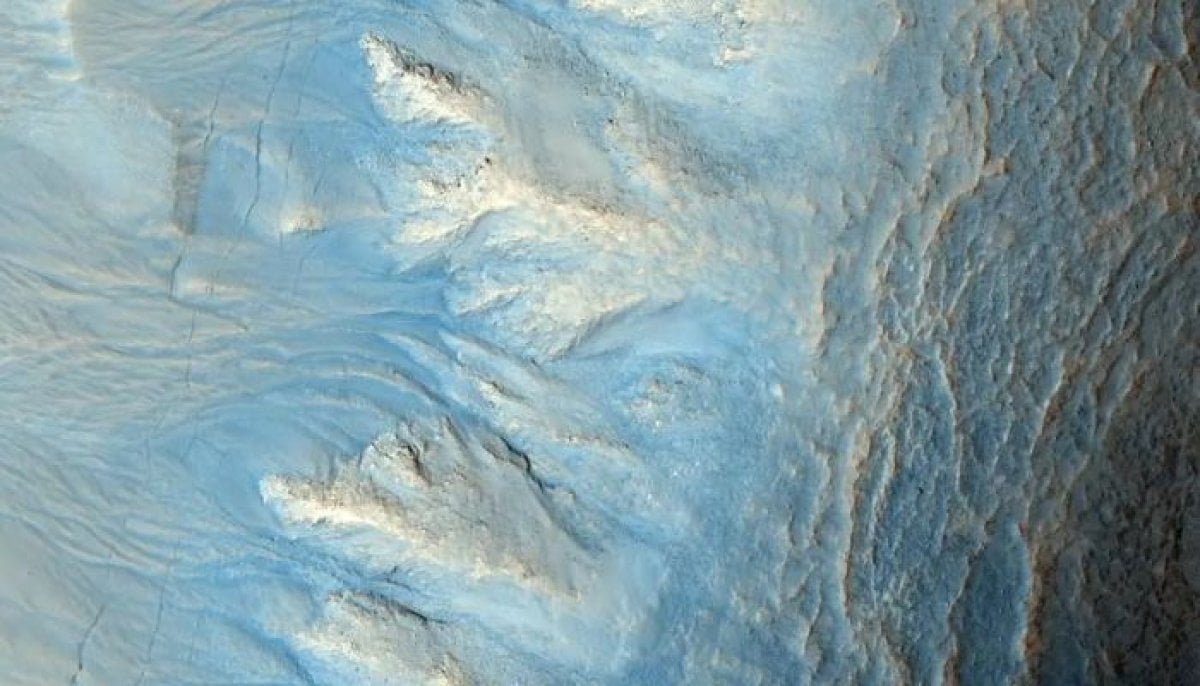 Why Mars looks blue in NASA’s unedited curiosity panorama?
 -
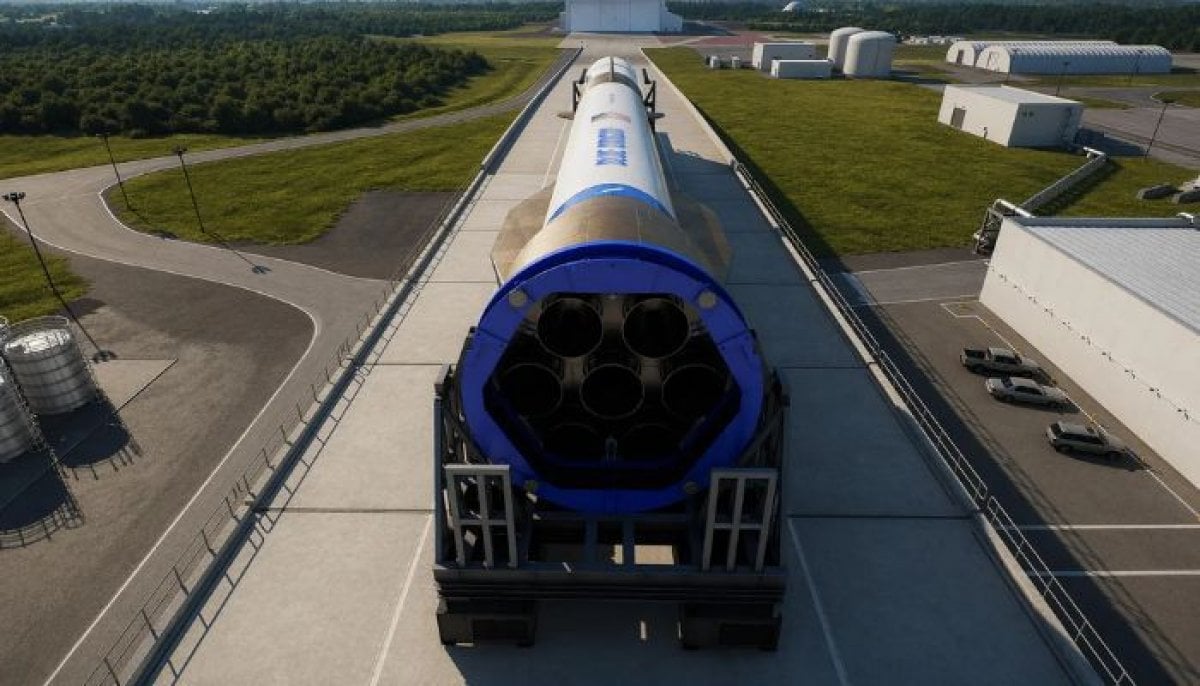 Blue Origin upgrades new Glenn rocket launch infrastructure to take on SpaceX
 -
 NASA’s next Mars mission targets Phobos and Deimos, not Red Planet
 -
 Is AI ready to rewrite our understanding of physics?
 -
 Astronomers identify possible first green star in 27 years of research
 -
 New study sounds alarm as Doomsday Glacier melts more aggressively than thought
 -
 Hubble data hints at planet born after its star died