NASA, SpaceX announce target date for Crew-11’s splashdown return to Earth
It is not appropriate for NASA to share more details about the crew member due to medical privacy
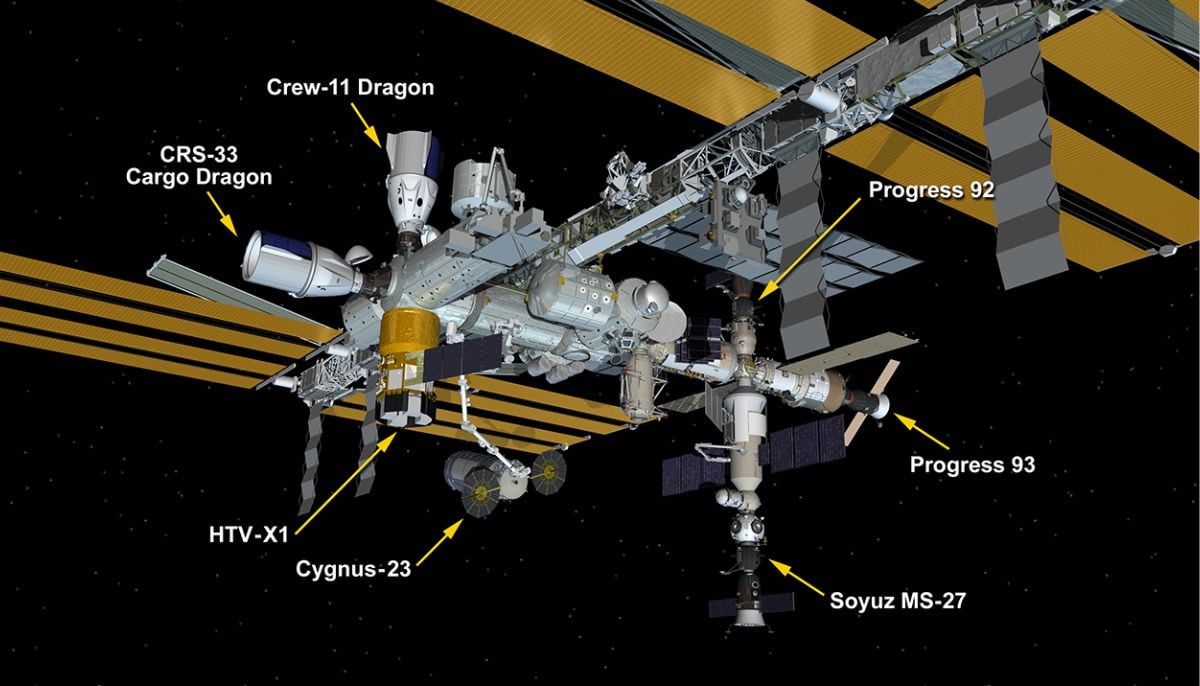
NASA and SpaceX have officially moved up the return of the Crew-11 mission, targeting an undocking from the International Space Station to earlier than 5p.m. ET (220 GMT) on Wednesday, January 14, followed by a splashdown on Thursday. The decision was made due to a medical concern with a crew member, while teams also continue to monitor weather conditions for the recovery area.
NASA announced its decision to return the agency’s SpaceX Crew-11 mission to Earth earlier than originally planned. This decision comes as teams monitor a medical concern involving a crew member who is currently stable and living aboard the orbital laboratory.
According to Reuters, NASA said it was considering an early return of the International Space Station crew over what it described as a “medical concern” with an astronaut.
In light of medical concerns, it is not appropriate for NASA to share more details about the crew member.
NASA astronaut Zena Cardman, astronaut Kimiyui Yui, and Roscosmos cosmonaut Oleg Platonov will touch down off the coast of California at approximately 3:40 a.m. on Thursday, January 15.
Mission managers will continue to monitor conditions in the recovery age. The undocking of the SpaceX Dragon on spacecraft readiness, recovery team capabilities, and other factors. NASA and SpaceX will select a specific splashdown and location closer to the Crew-11 spacecraft undocking.
NASA will provide more details regarding coverage plans in the coming days. Additionally, the Crew-11 early return will not impact the timeline for the Artemis II moon mission, which remains targeted for early February 2026.






-
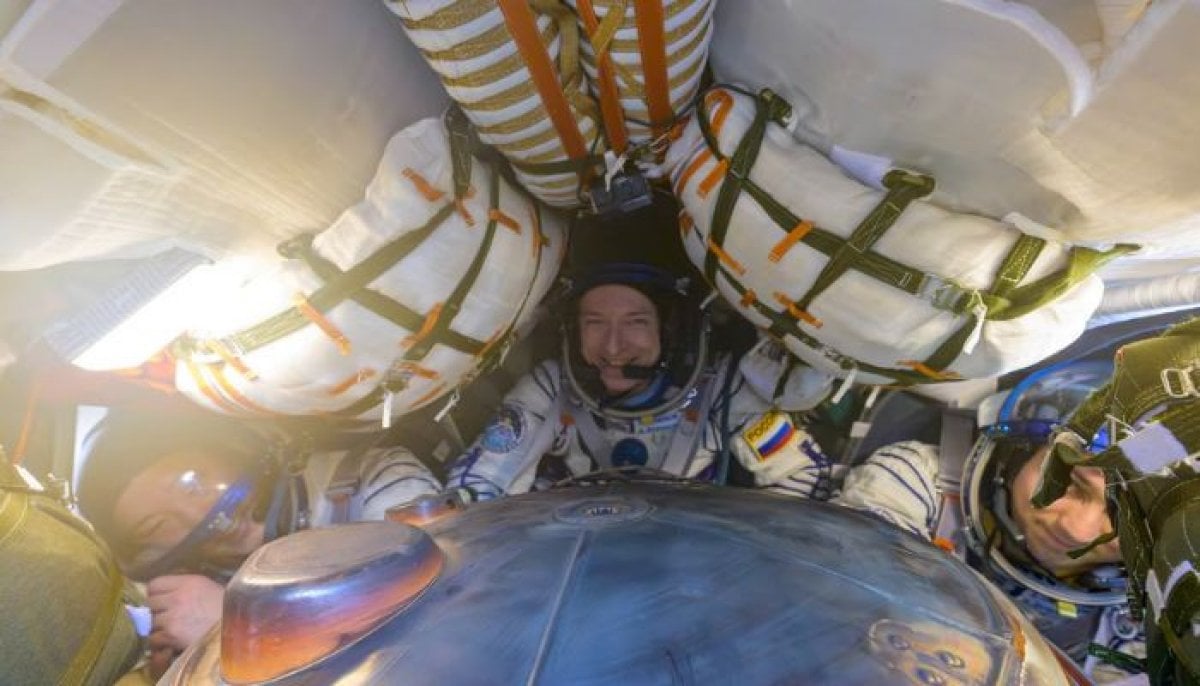 US-Russian space crew returns to Earth after eight-month mission on the International Space station
 -
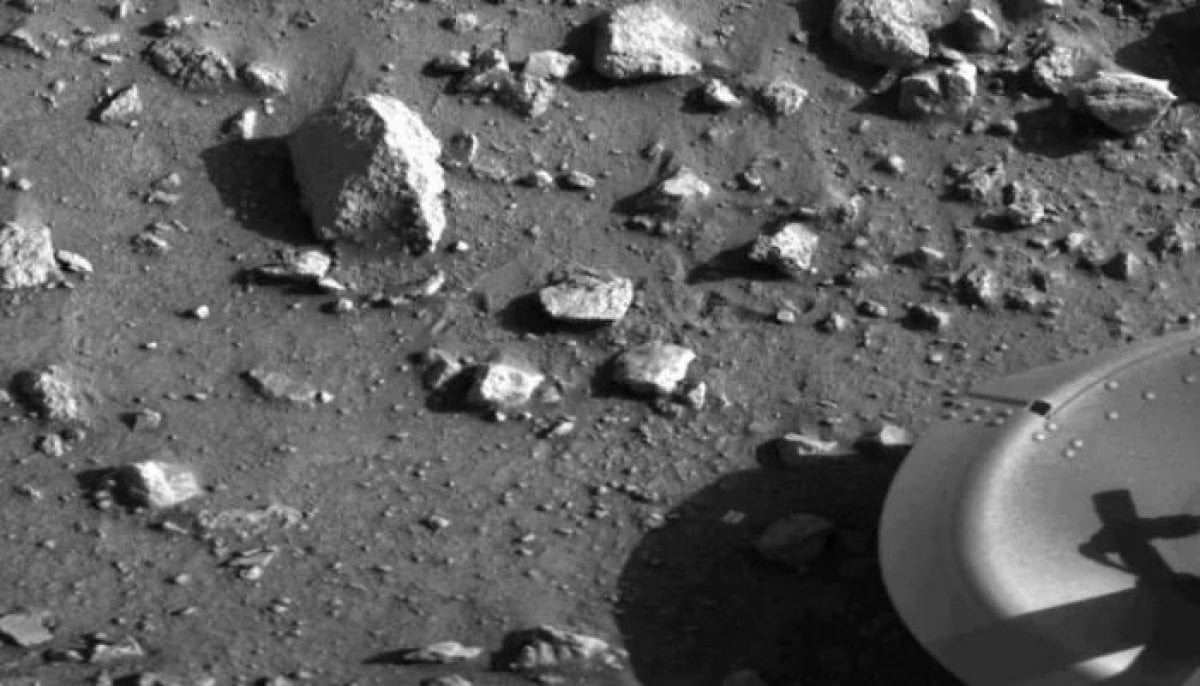 Viking 1 mars landing: 50 years since first photos
 -
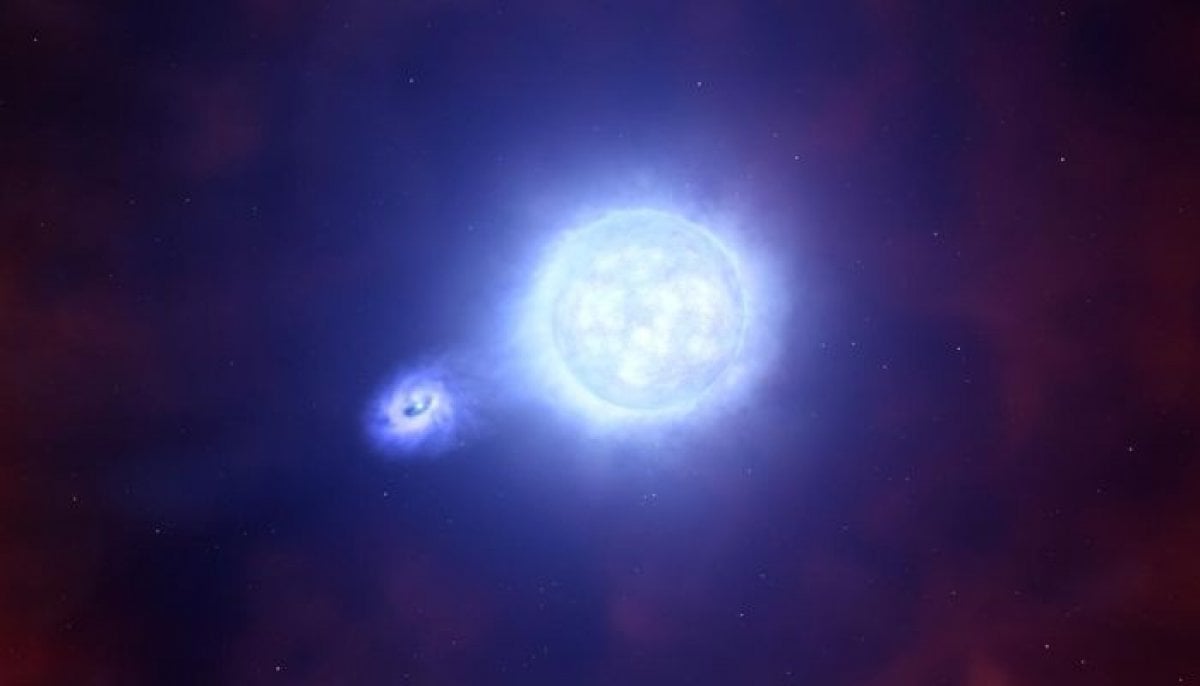 Four hidden dead stars found in Earth's backyard
 -
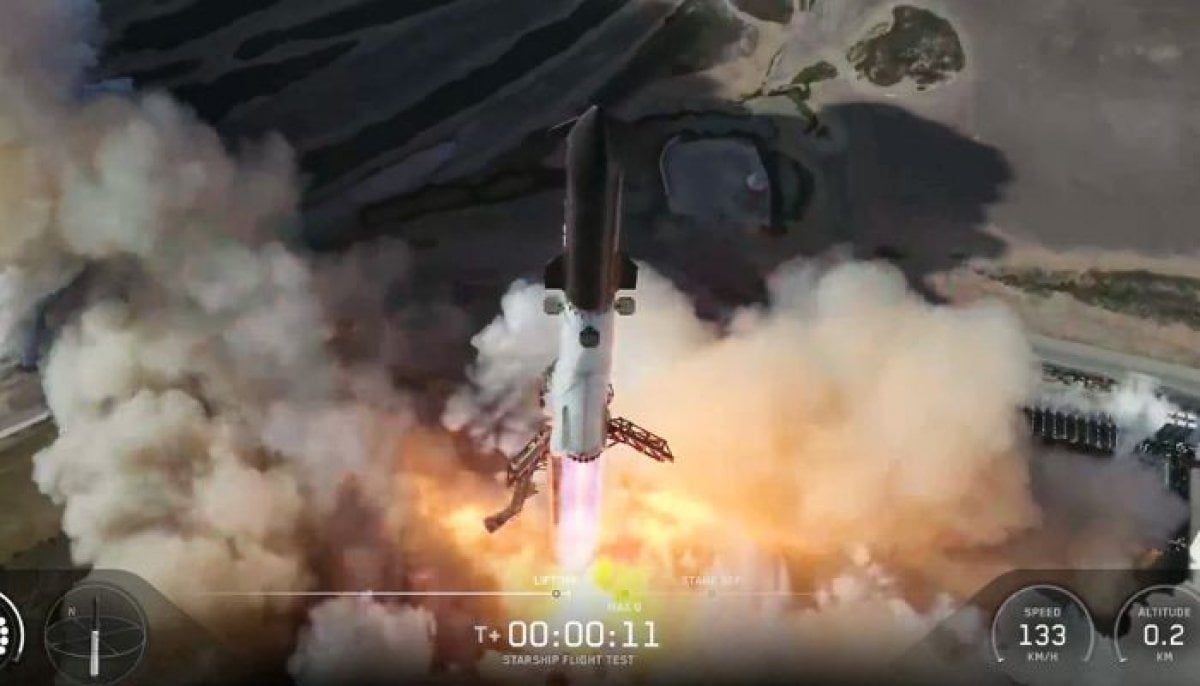 What happened during SpaceX’s 13th Starship test? First upgraded Starlinks successfully deployed
 -
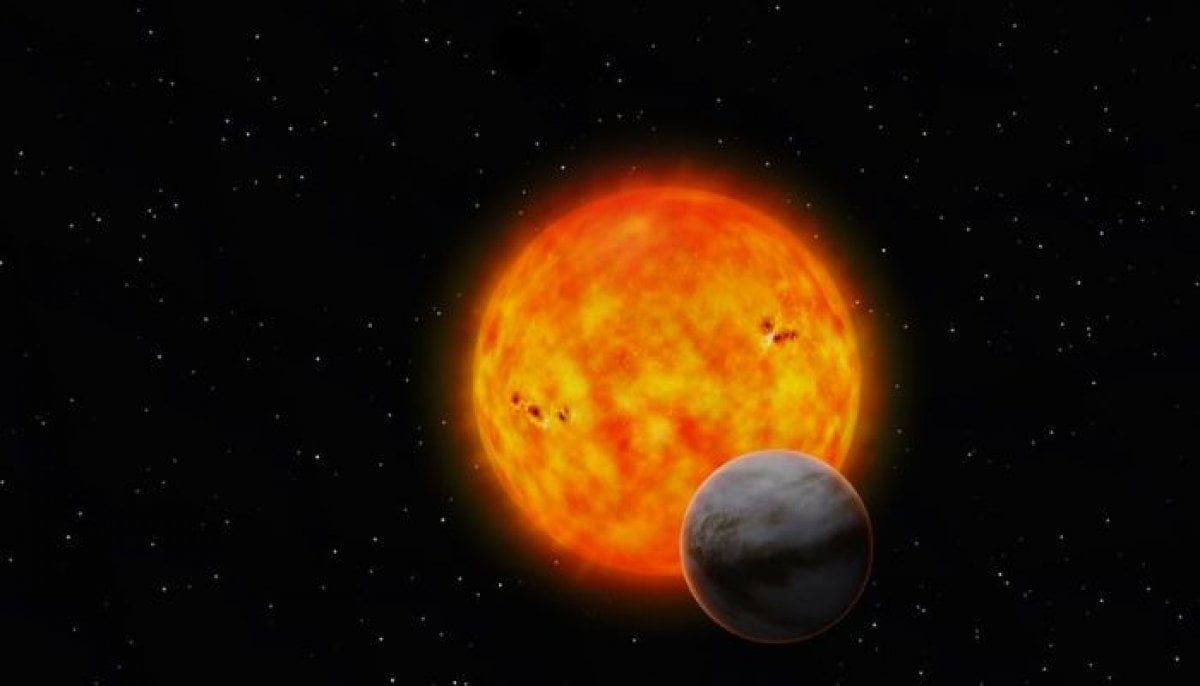 Astronomers may have found the first moon beyond our solar system
 -
 Space datacenters could catastrophically pollute Earth, groups warn
 -
 Astronomers just solved a 10-billion-year-old Milky Way mystery
 -
 Why China is crashing a spacecraft into asteroid 2015 XF261