Solar Eclipse 2026: When and where Europe will see total eclipse
Europe’s first total solar eclipse in 27 years to enthral sky-gazers

Europe is all set to welcome its first total solar eclipse in over 25 years, set to occur on August 12, 2026.
This landmark event is sparking a surge in celestial tourism and significant logistical planning across the path of totality.
Europeans will be able to view it, as more than 25 years have passed since mainland Europe last witnessed a total solar eclipse.
It was 1999 when the Moon eclipsed the Sun, plunging parts of the continent into midday darkness.
In 2026, the eclipse will initiate its journey in northern Russia, crossing the Arctic region and eastern Greenland before reaching maximum totality off the coast of Iceland.
The path of totality will reach northern Spain shortly before sunset, while observers will experience up to one minute and 50 seconds of darkness.
Fortunately, Europe won’t have to wait a long time for the next event; on August 2, 2027 another total eclipse will sweep through southern Spain, North Africa, and the Middle East.
According to a Greek reporter, the year 2026 will feature three Supermoons occurring on January 3, November 2024, and December 23-which will shine brightly as the Moon reaches its closest point to Earth. May 2026 will also feature a “Blue Moon”-the infrequent occurrence of two full moons in a single month (May 1 and May 31).
The upcoming event presents a historic homecoming for European astronomy, and offers a rare opportunity for the continent.






-
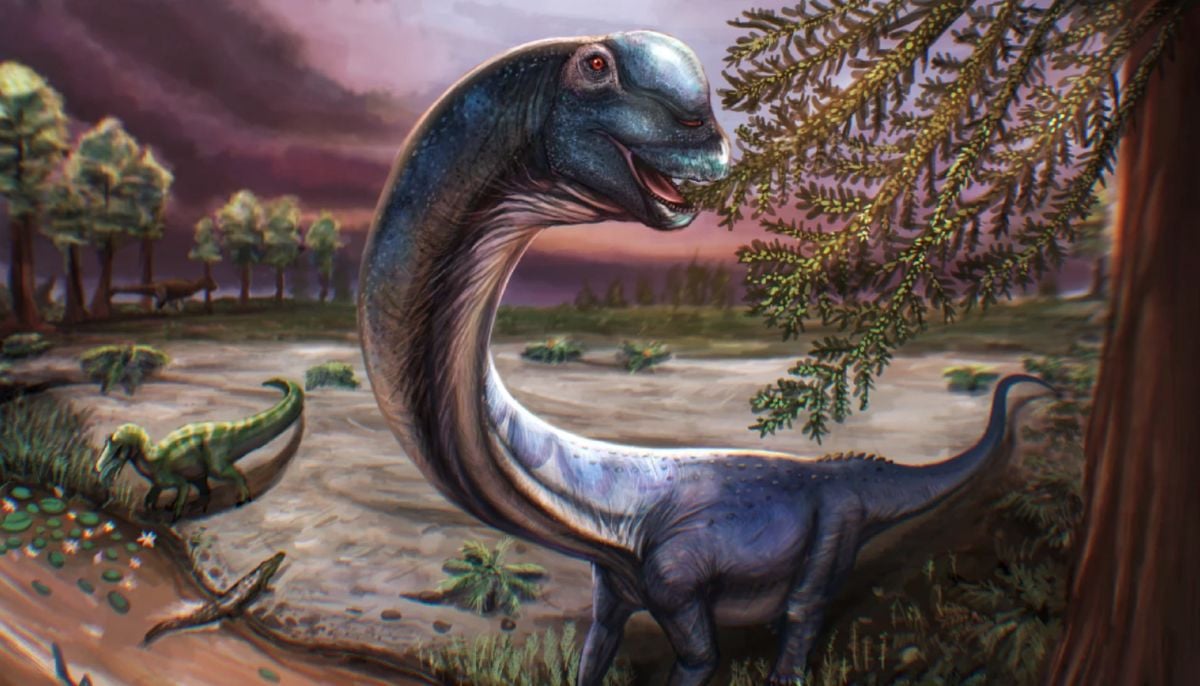 Meet the ‘last titan’: Giant new dinosaur identified from fossils in Thailand
 -
 Can we finally find aliens? Scientists reveal a surprising new ‘organizational’ approach
 -
 Study reveals how to tell real alien life from chemical fakes
 -
 Scientists find hidden third ancestral group in Japanese genomes
 -
 SpaceX ‘Space Junk’ is on a collision course with the Moon, scientists say
 -
 Do you know what happened on May 10, 1967? NASA's M2-F2 disaster explained
 -
 Why the Southern Ocean is melting: Antarctica’s sea ice resilience reaches a breaking point
 -
 Giant black holes are cosmic ‘Frankensteins’ built by mergers, new study reveals