Here is why you should not miss the night sky tonight
Anyone who experiences light rain on Tuesday night may also be able to see a moonbow along with Venus and Jupiter
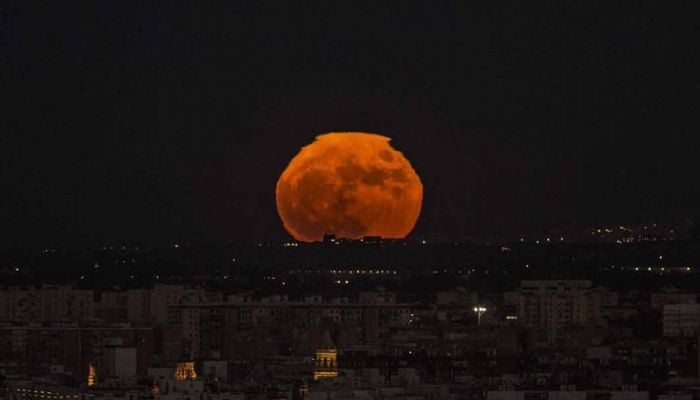
Tonight, you must hurry to the rooftop to see the sky adorned with beautiful celestial bodies. The final full moon of the winter season will shine in the sky this week.
Why is it called a worm moon?
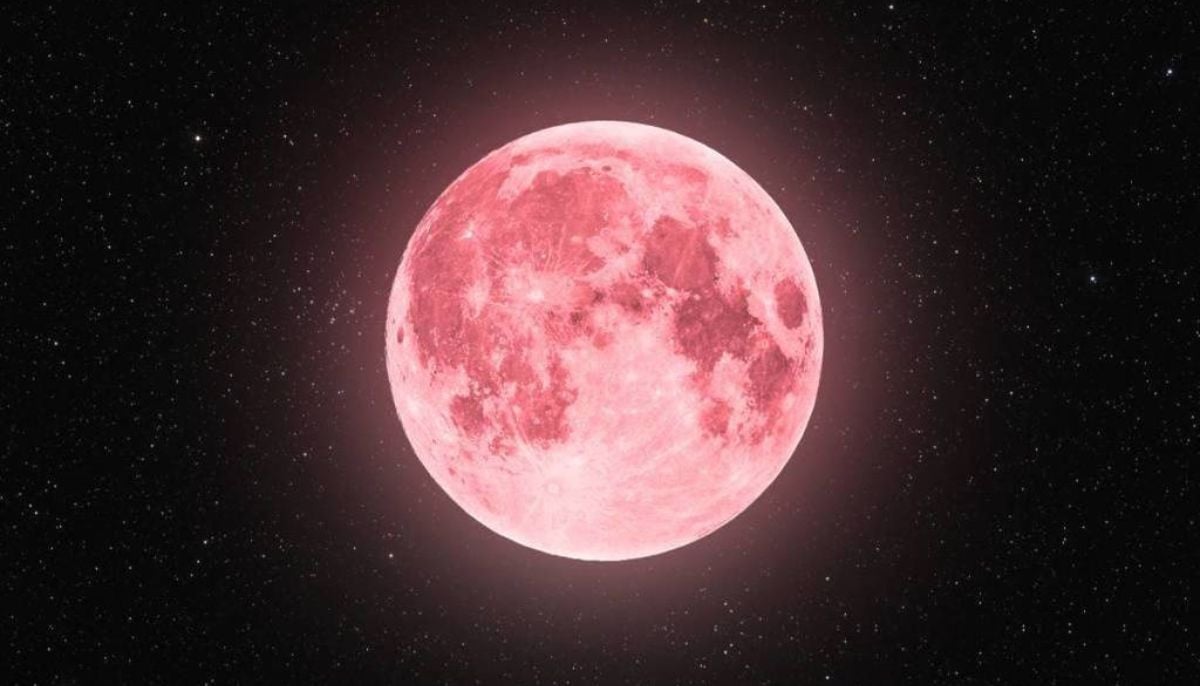
The "worm moon" is the last moon of March. Native American tribes gave it that name in the 18th century as a reference to numerous insects coming out of their winter burrows to welcome spring. On Tuesday, March 7, the worm moon will shine at its brightest around 7:42 am ET, or 5:42 pm Pakistani time.
But, if one were to look up at the right moment, they could also be able to view an incredible planetary phenomenon.
Mike Hankey, operations manager for the American Meteor Society told CNN in an email that the planets Jupiter and Venus will also be visible right after sunset in the western sky. This phenomenon is called a "conjunction"
"These planets will be setting as the moon is rising, so they are only visible for about an hour at sunset, near the western horizon," Hankey was quoted as saying by the outlet.
According to the Old Farmer's Almanac, anyone who experiences light rain on Tuesday night may also be able to see a moonbow, which resembles a solar rainbow but is created when moonlight is refracted over airborne water droplets. Look for moonbows after sunset when the sky is dark since they only occur when a full moon is low in the sky.
The worm moon is not your only opportunity to view a noteworthy space or sky occurrence. Here are this year's full moons and meteor showers to be aware of.
Full moons and supermoons
Supermoons appear larger in the sky because they are brighter and closer to Earth than usual.
The Old Farmer's Almanac lists the remaining full moons in 2023 as follows:
- April 6: Pink moon
- May 5: Flower moon
- June 3: Strawberry moon
- July 3: Buck moon
- August 1: Sturgeon moon
- August 30: Blue moon
- September 29: Harvest moon
- October 28: Hunter’s moon
- November 27: Beaver moon
- December 26: Cold moon
Meteor showers
There are still 11 meteor showers to see this year, and sky gazers in light pollution-free places should be able to see them best from dusk to dawn.
Here are the peak dates as reported by CNN:
- Lyrids: April 22-23
- Eta Aquariids: May 5-6
- Southern Delta Aquariids: July 30-31
- Alpha Capricornids: July 30-31
- Perseids: August 12-13
- Orionids: October 20-21
- Southern Taurids: November 4-5
- Northern Taurids: November 11-12
- Leonids: November 17-18
- Geminids: December 13-14
- Ursids: December 21-22


-
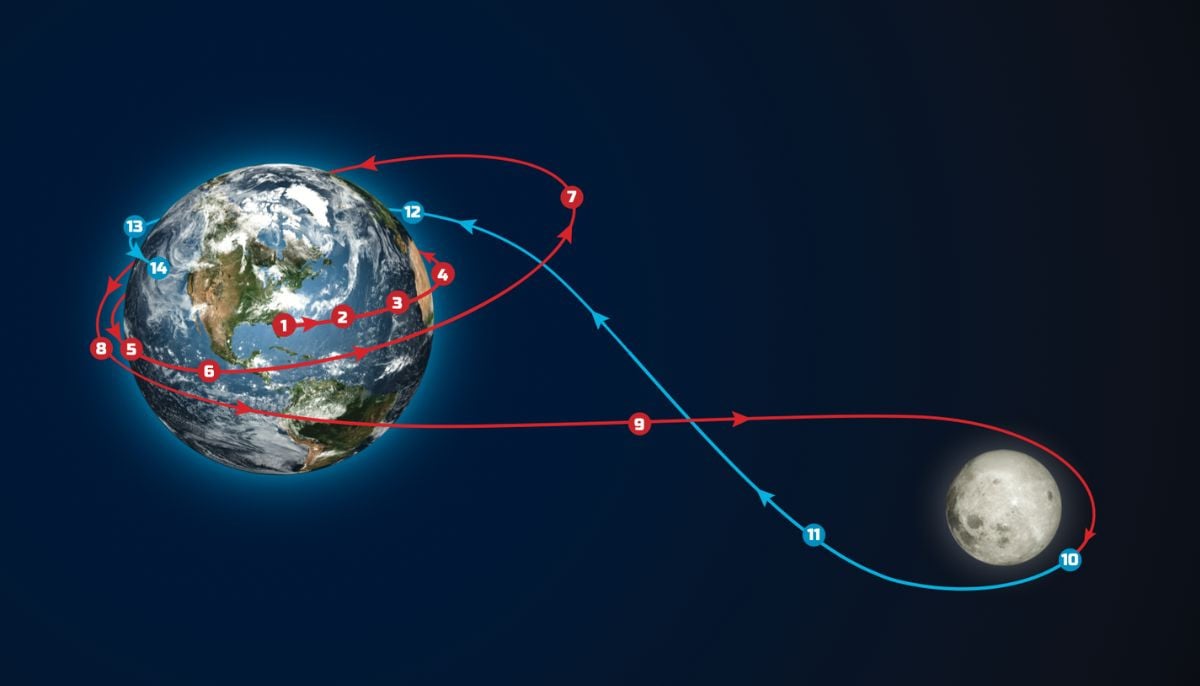 Why NASA Artemis II won’t take straight path to Moon: ‘Figure-8’ route explained
 -
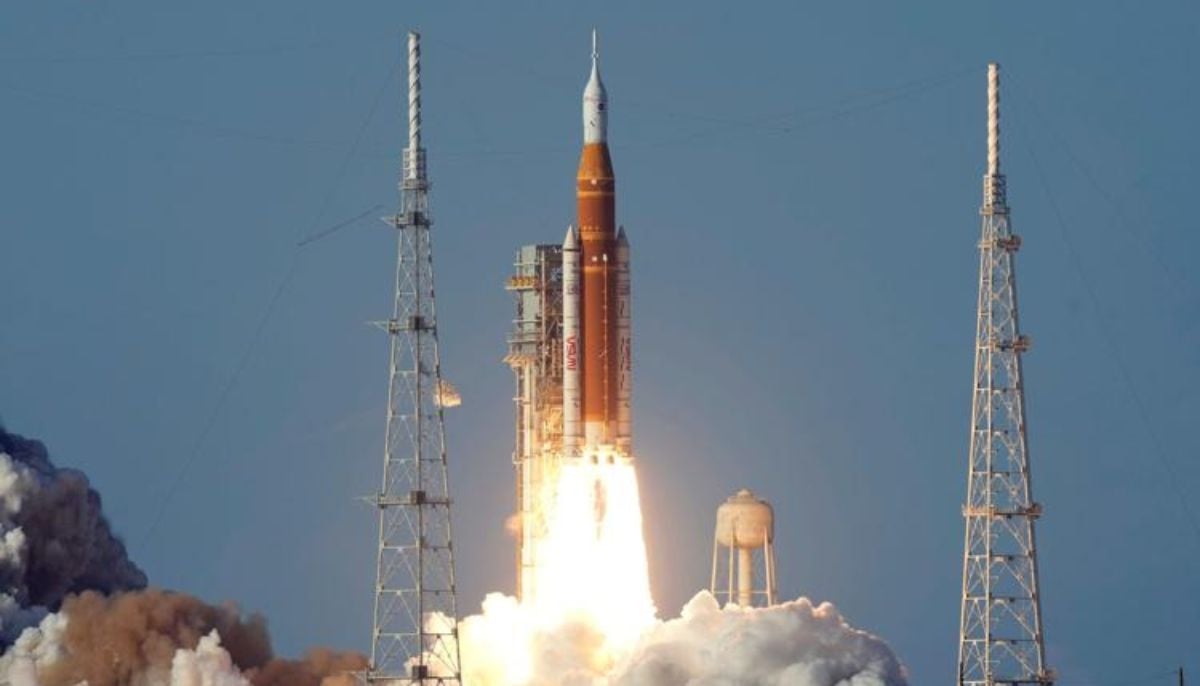 Even in space: NASA Artemis II astronauts hit Outlook glitch mid-mission
 -
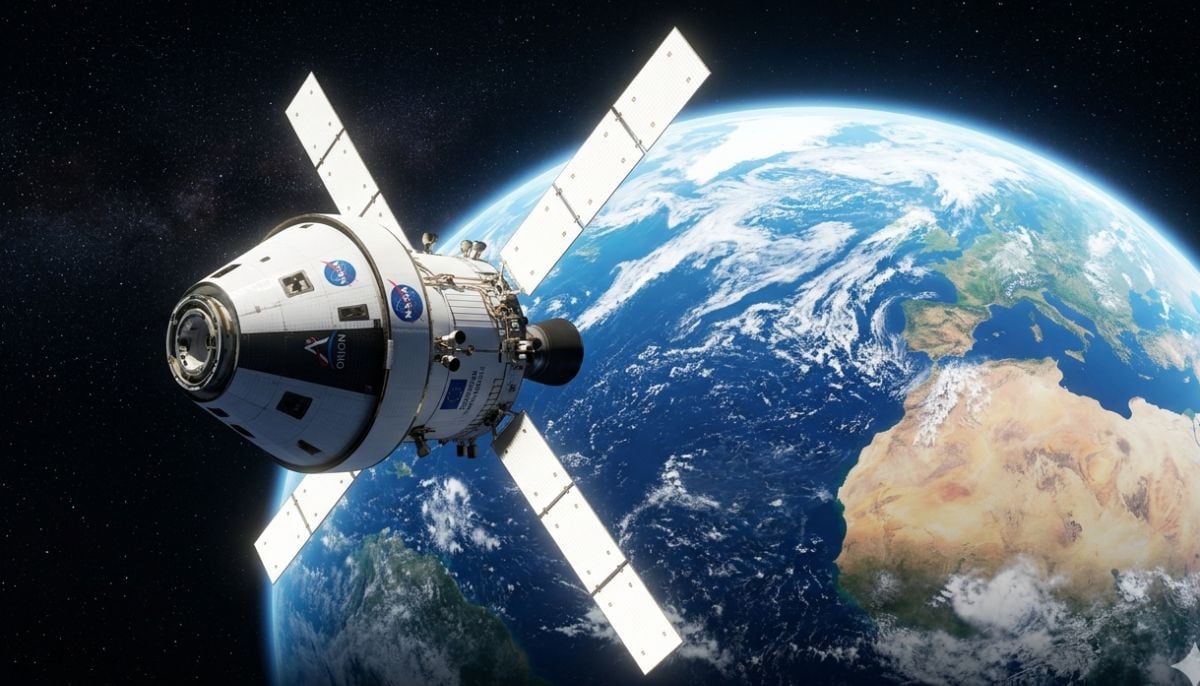 Artemis II hurtles ever closer to the lunar far side
 -
 Where is Artemis II today? Here is everything to know about NASA’s journey to the moon
 -
 European Space Agency to negotiate with NASA on future lunar missions
 -
 SpaceX AI satellites plan raises doubts after Microsoft setback
 -
 NASA Artemis II lifts off, sending cubesats into deep space study
 -
 Could there be life on Mars? NASA Jared Isaacman claims chances are 90%