
Harassment at workplace: SC upholds LHC verdict of dismissal from service
Ombudsman issued a show-cause notice to accused but Muhammad Din denied allegations
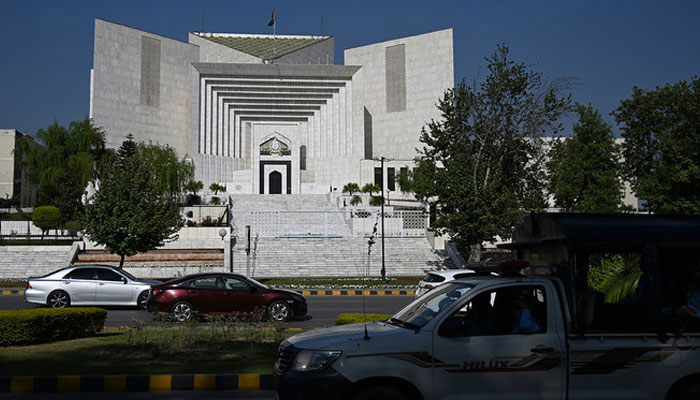
ISLAMABAD: Giving a significant support to working women and expressing Pakistan’s commitment to eliminating workplace harassment, the Supreme Court has maintained the judgement of the Lahore High Court (LHC) dismissing a convict of sexual harassment from service.
A two-member bench of the apex court, headed by Justice Syed Mansoor Ali Shah with Justice Aqeel Ahmad Abbasi as other member, was hearing an appeal against an LHC judgement in sexual harassment case.
The petitioner, Muhammad Din, was dismissed from service by the Ombudsman Punjab office for sexual harassment of a lady physician Dr Sidra Zafar. In her petition under the Protection against Harassment of Women at Workplace Act 2010, she alleged harassment and misconduct of her driver Muhammad Din before the Ombudsman, Punjab.
The ombudsman issued a show-cause notice to the accused but he denied the allegations.
However, the Ombudsman found the allegations true after thorough investigation and sent the accused on compulsory retirement. The petitioner preferred representation before the Punjab governor that was dismissed. Subsequently, the petitioner invoked the constitutional jurisdiction of the LHC by filing a writ petition that was dismissed too.
The Supreme Court, in its 9-page written order, said that it is imperative to recognise that workplace harassment remains a pressing global issue, affecting millions of workers across various sectors. More than one in five workers (22.8 percent or 743 million people) worldwide have experienced some form of workplace violence.
The court noted that women are slightly more likely than men to have faced harassment over their careers. “Workplace harassment is not merely an individual grievance—it is a systemic problem that perpetuates gender inequality by restricting women’s economic and professional growth,” said the written order.
It was stated as to how the victim was subjected to abuse, verbal assaults, and character assassination by the petitioner by engaging in inappropriate conduct, using indecent language and behaving unethically with female patients and by spreading malicious rumours about her alleged affairs with male colleagues, scandalising her reputation, and making derogatory remarks in the presence of other staff members.
Despite multiple warnings, his misconduct continued and on 26.10.2019, the petitioner unlawfully entered the ultrasound room while respondent the victim was performing an ultrasound on a patient, says the written order, adding that he video-recorded the procedure without consent, later disseminating the video and making false and defamatory allegations against her, insinuating multiple affairs with men in an attempt to tarnish her dignity and professional standing.
The court noted that respondent the victim lacked the direct authority to remove the petitioner from his position. “In fact, she formally requested her department to transfer him and even after the transfer order was issued, the petitioner defiantly refused to comply with the order, withholding the vehicle’s keys and logbook from the next appointed driver,” said the order.
The court held that ratifying ILO Violence and Harassment Convention would reinforce Pakistan’s constitutional guarantees of dignity, equality, and nondiscrimination, strengthen legal protections for workers— particularly women and marginalised groups—and signal a firm commitment to upholding international human rights standards.


