
Asteroid will not destroy Earth next month: NASA
WASHINGTON: The world can breath easy. A giant asteroid is not hurtling towards Earth about to wipe out much of the Americas, NASA has felt compelled to explain following a swirl of online rumors.
Blogs and off-beat news sites have claimed a major asteroid will impact earth in mid-to-late September near Puerto Rico, causing major destruction throughout the region.
But
By AFP
August 21, 2015
WASHINGTON: The world can breath easy. A giant asteroid is not hurtling towards Earth about to wipe out much of the Americas, NASA has felt compelled to explain following a swirl of online rumors.
Blogs and off-beat news sites have claimed a major asteroid will impact earth in mid-to-late September near Puerto Rico, causing major destruction throughout the region.
But that theory is entirely baseless, NASA´s Jet Propulsion Laboratory said in a post this week, trying to damp down the Doomsday predictions.
"There is no scientific basis -- not one shred of evidence -- that an asteroid or any other celestial object will impact Earth on those dates," said the manager of the Near-Earth Object office at the Jet Propulsion Laboratory, Paul Chodas.
The lab explained that all known hazardous asteroids have a less than .01 percent chance of impacting Earth in the next 100 years.
"If there were any object large enough to do that type of destruction in September, we would have seen something of it by now," he said.
NASA pointed out that Doomsday theorists have made similar predictions in the past, including the Mayan calendar claim in 2012, all of which were not backed up by science and turned out to be false.
"Again, there is no existing evidence that an asteroid or any other celestial object is on a trajectory that will impact Earth," Chodas said.
Blogs and off-beat news sites have claimed a major asteroid will impact earth in mid-to-late September near Puerto Rico, causing major destruction throughout the region.
But that theory is entirely baseless, NASA´s Jet Propulsion Laboratory said in a post this week, trying to damp down the Doomsday predictions.
"There is no scientific basis -- not one shred of evidence -- that an asteroid or any other celestial object will impact Earth on those dates," said the manager of the Near-Earth Object office at the Jet Propulsion Laboratory, Paul Chodas.
The lab explained that all known hazardous asteroids have a less than .01 percent chance of impacting Earth in the next 100 years.
"If there were any object large enough to do that type of destruction in September, we would have seen something of it by now," he said.
NASA pointed out that Doomsday theorists have made similar predictions in the past, including the Mayan calendar claim in 2012, all of which were not backed up by science and turned out to be false.
"Again, there is no existing evidence that an asteroid or any other celestial object is on a trajectory that will impact Earth," Chodas said.


-
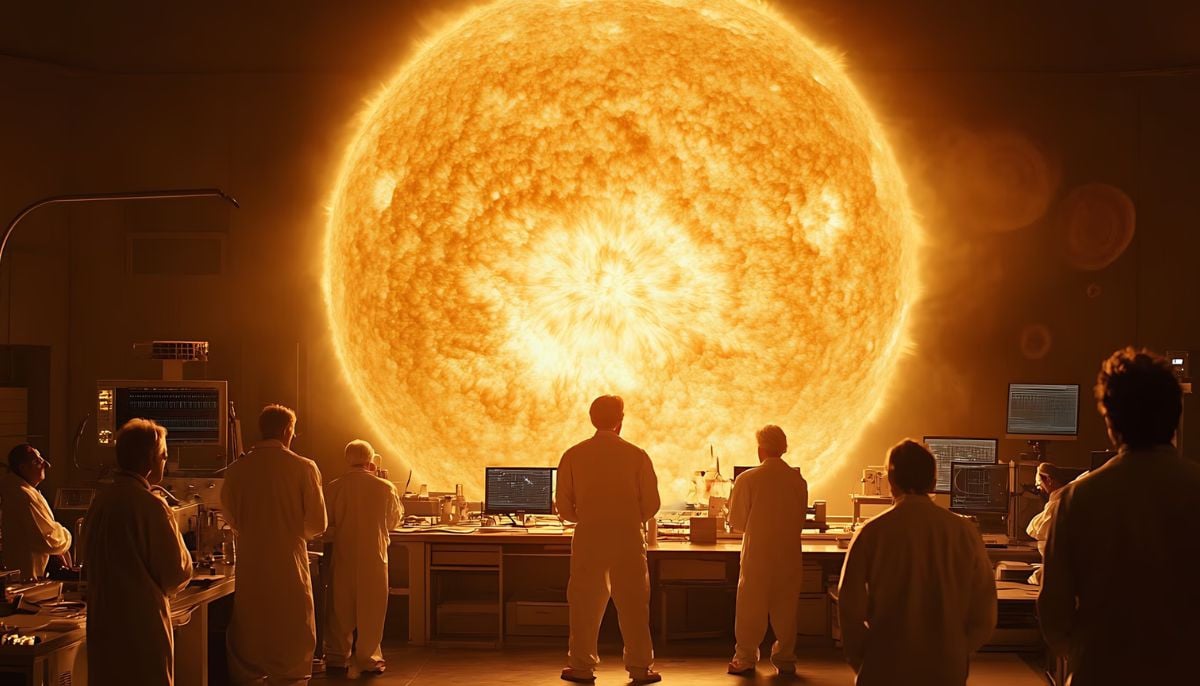 Shanghai Fusion ‘Artificial Sun’ achieves groundbreaking results with plasma control record
 -
 Polar vortex ‘exceptional’ disruption: Rare shift signals extreme February winter
 -
 Netherlands repatriates 3500-year-old Egyptian sculpture looted during Arab Spring
 -
 Archaeologists recreate 3,500-year-old Egyptian perfumes for modern museums
 -
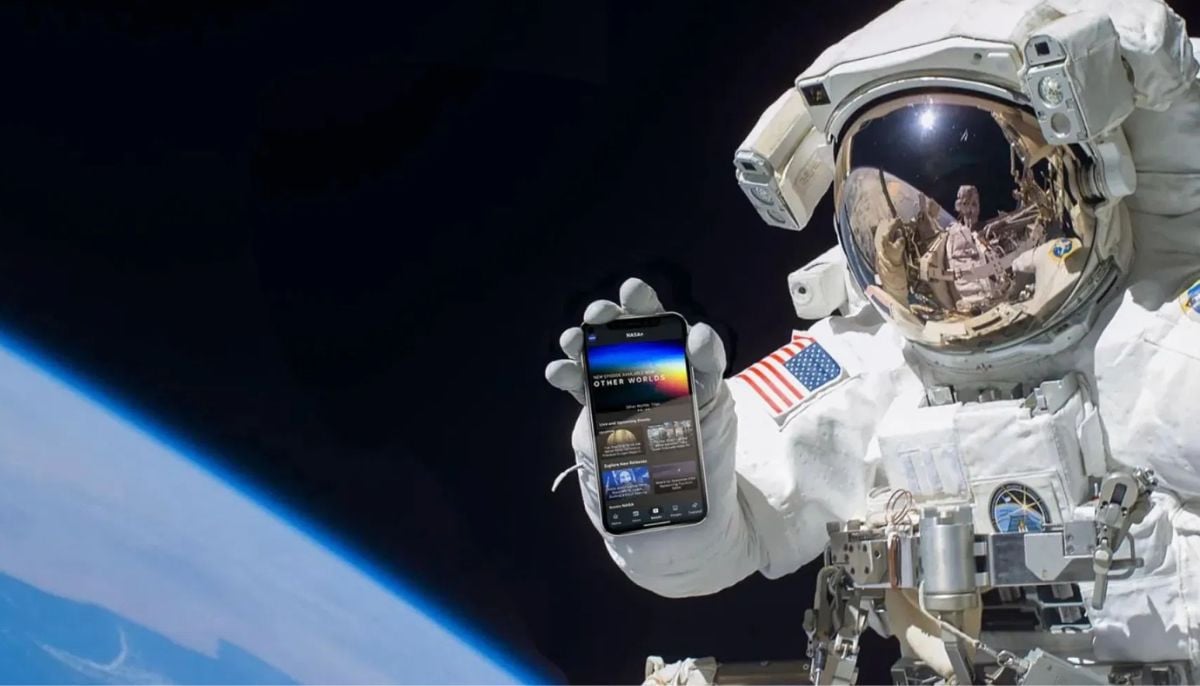 Smartphones in orbit? NASA’s Crew-12 and Artemis II missions to use latest mobile tech
 -
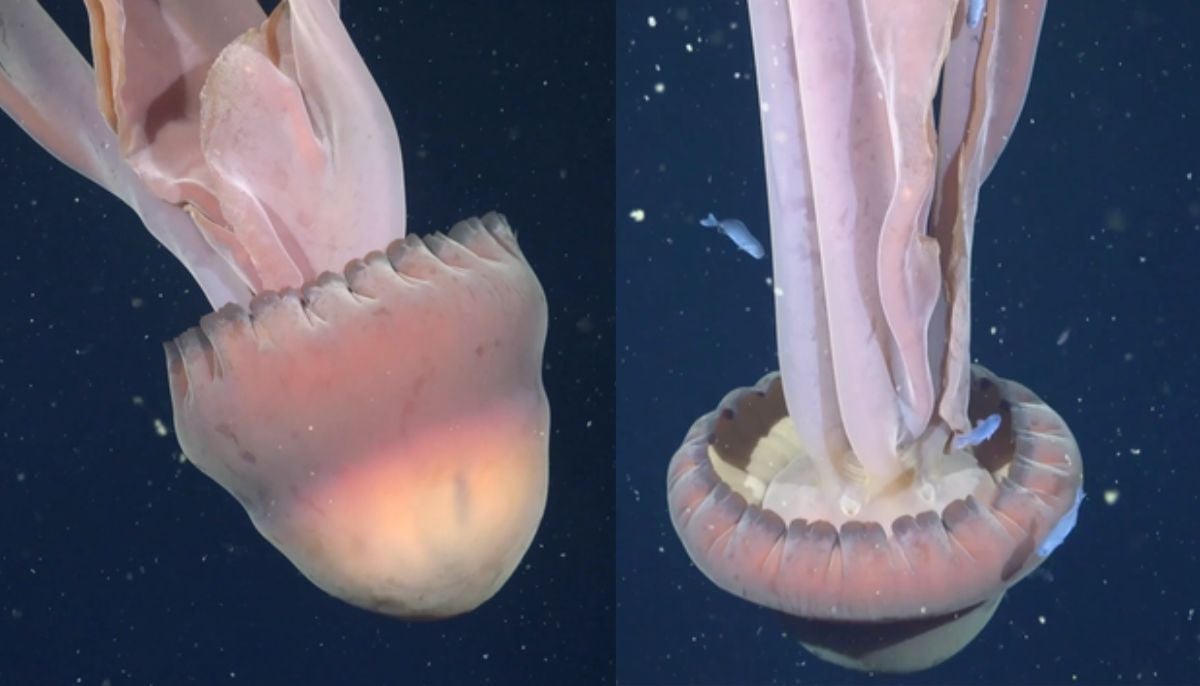 Rare deep-sea discovery: ‘School bus-size’ phantom jellyfish spotted in Argentina
 -
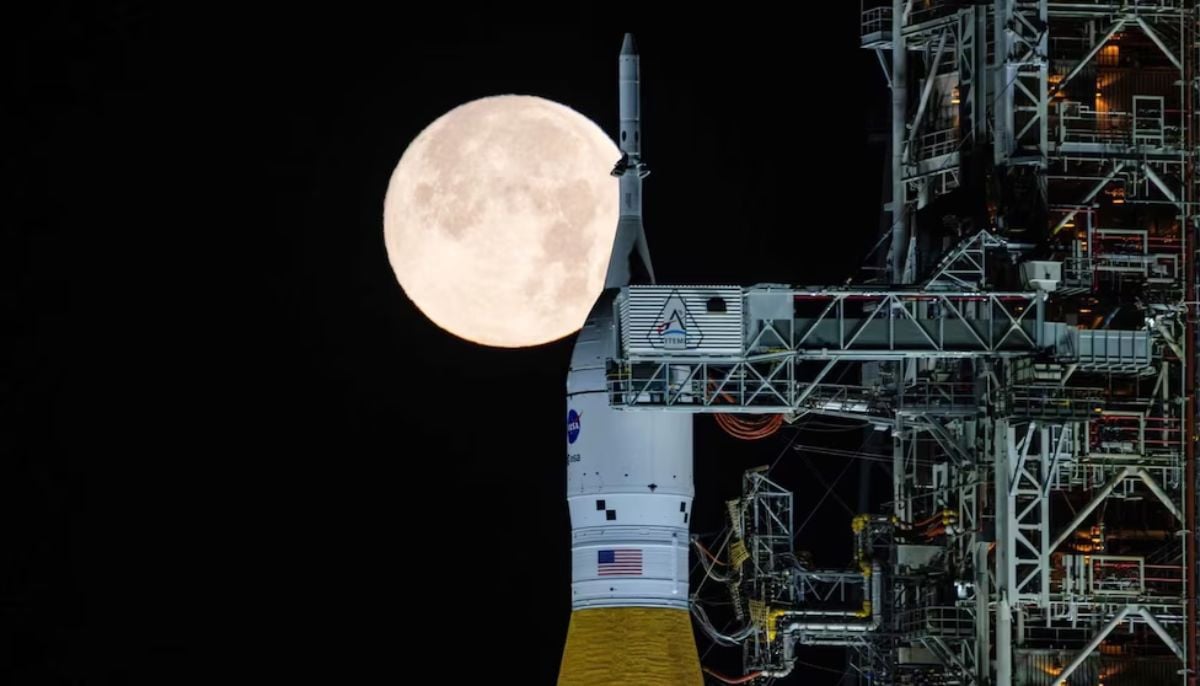 NASA eyes March moon mission launch following test run setbacks
 -
 February offers 8 must-see sky events including rare eclipse and planet parade