February offers 8 must-see sky events including rare eclipse and planet parade
February brings must-see celestial events, including a historic Moon mission and rare planetary alignments
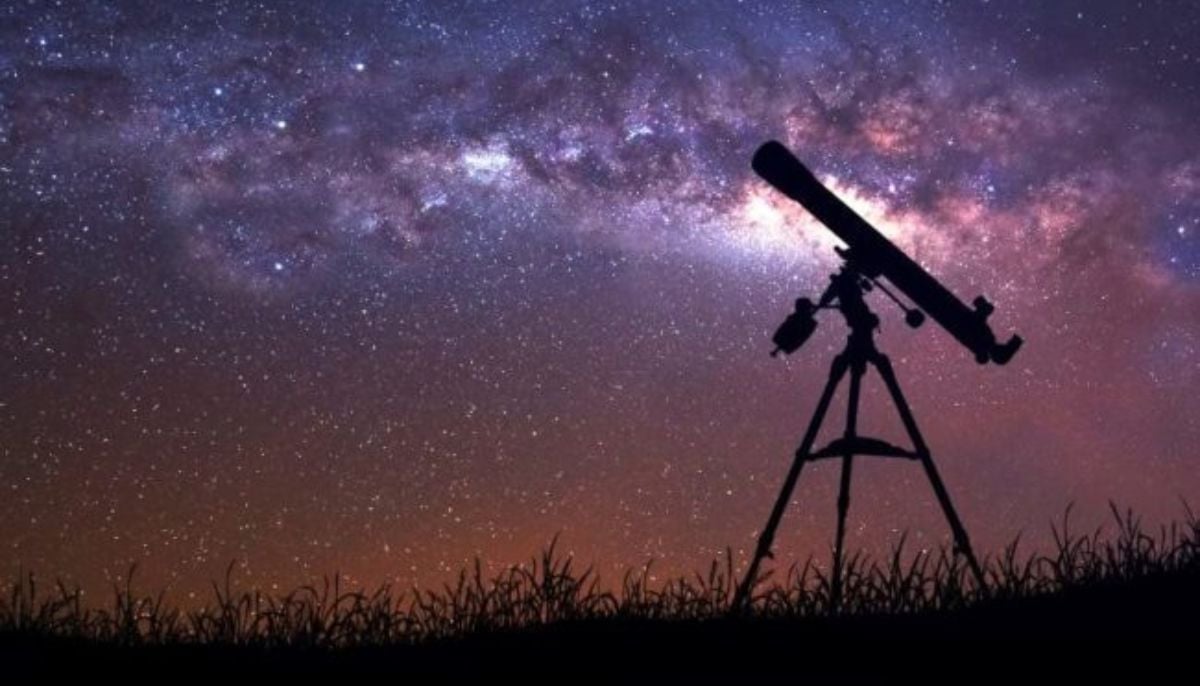
The month of February 2026 provides skywatchers with exceptional celestial events which will take place throughout the entire month. The stargazing community has already witnessed the complete Snow Moon rise which occurred on February 1 and now they anticipate NASA's historic Moon mission together with Southern Hemisphere meteor showers and an annular solar eclipse and the unique six-planet parade which will occur at the month's conclusion.
Historic Moon mission and meteor activity
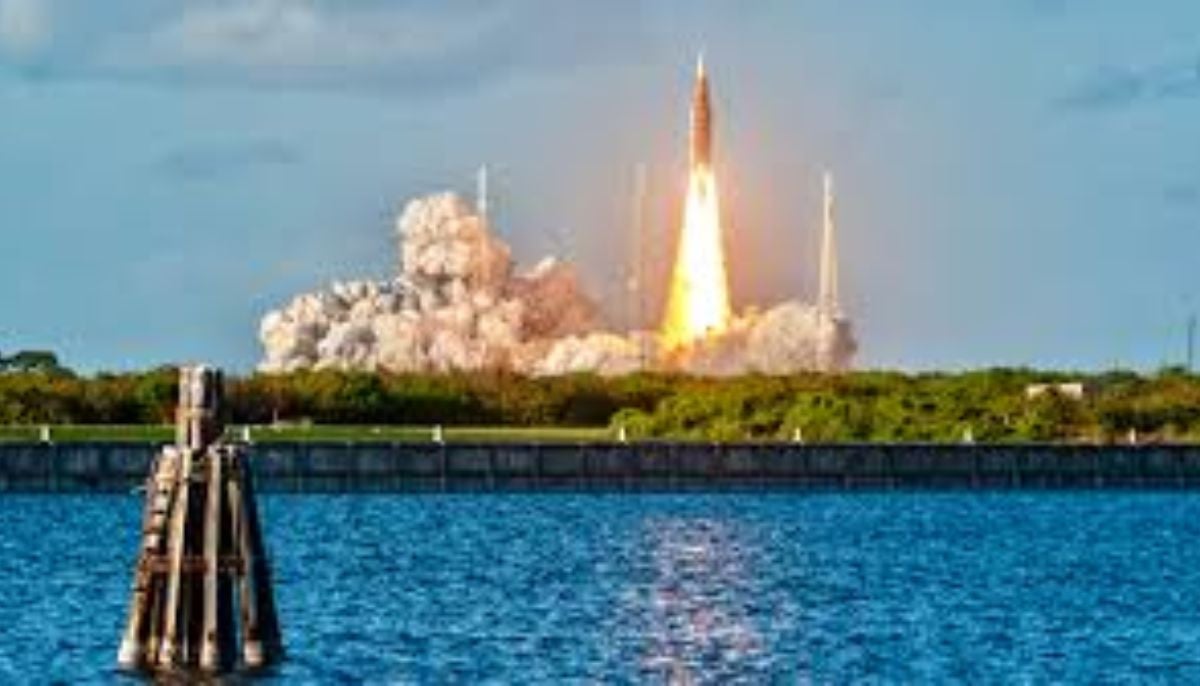
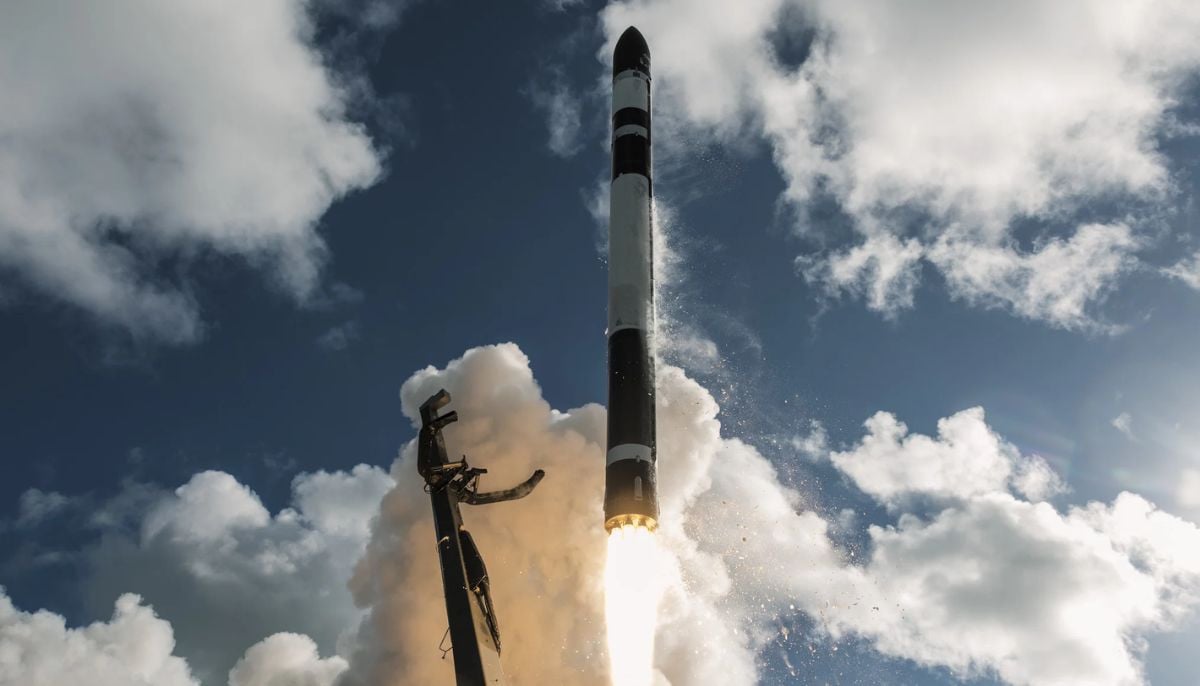
NASA's Artemis II mission will begin its launch window on February 6 according to reports. The astronauts in this mission will test deep-space systems around the Moon for their first time in over 50 years.
Southern Hemisphere skywatchers can prepare for the Alpha Centaurids meteor shower on February 8–9. Although the shower has minor importance, it produces bright fireball displays. The best viewing time occurs at midnight when the Centaurus radiant reaches its highest point and moonlight interference remains low.
Solar eclipse and dark skies mid-month
On February 17, there is an annular solar eclipse that will create a breathtaking “ring of fire” effect. This is only possible in the far-off southern regions of the world, while partial eclipses are visible in South America and southern Africa.
On the same day, there is a New Moon phase that will provide optimal viewing conditions for deep-sky objects like Bode’s Galaxy and Comet C/2024 E1 (Wierzchos), which will be at its closest point to our planet.
Mercury and six-planetary alignment
On febuary 19, star gazers can spot Mercury adter sunset as it shines low in the western sky. More interestingly, on February 28 sky will show a rare six-planet parade, when Mercury, Venus, Saturn, Jupiter, Uranus and Neptune line up along the ecliptic, offering stargazers a memorable finish to February 2026.






-
 Meet the ‘last titan’: Giant new dinosaur identified from fossils in Thailand
 -
 Can we finally find aliens? Scientists reveal a surprising new ‘organizational’ approach
 -
 Study reveals how to tell real alien life from chemical fakes
 -
 Scientists find hidden third ancestral group in Japanese genomes
 -
 SpaceX ‘Space Junk’ is on a collision course with the Moon, scientists say
 -
 Do you know what happened on May 10, 1967? NASA's M2-F2 disaster explained
 -
 Why the Southern Ocean is melting: Antarctica’s sea ice resilience reaches a breaking point
 -
 Giant black holes are cosmic ‘Frankensteins’ built by mergers, new study reveals