Is dark matter real? New theory proposes it could be gravity behaving strangely
The removal of dark matter from our cosmological models could hinge on the possibility that gravity behaves differently on the largest scales
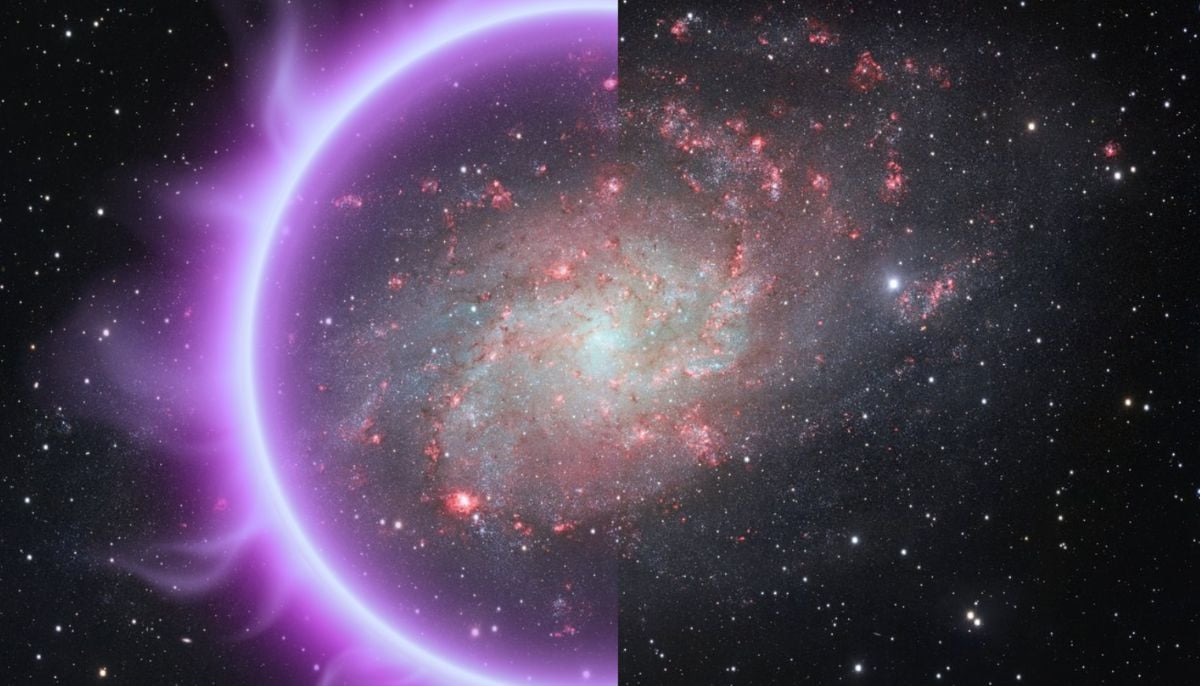
According to new research dark matter is considered to be the most puzzling substance in the universe. It has been a thorn in the side of physicists; despite outweighing ordinary matter by a ratio of 5 to 1, it remains invisible.
Scientists have been intrigued by the search for particles that could make up dark matter. In this connection, Kumar wrote for Phys.org: “The mystery of dark matter-unseen, pervasive, and essential in standard cosmology has loomed over physics for decades.”
The reason scientists inferred the presence of dark matter is because it interacts with light but because of its gravitational effects. In fact, the first hint of dark matter derived from the observation that galaxies were spinning much faster than expected- too fast for the gravity of their visible matter alone to keep them together.
While dark matter is considered to account for 85% of the matter in the universe, removing it from our cosmological models would have profound implications. The recent approach does not aim to replace dark matter entirely, it underscores gravity’s hidden complexity and suggests that what we attribute to dark matter may actually originate from gravity itself.






-
 SpaceX ‘Space Junk’ is on a collision course with the Moon, scientists say
 -
 Do you know what happened on May 10, 1967? NASA's M2-F2 disaster explained
 -
 Why the Southern Ocean is melting: Antarctica’s sea ice resilience reaches a breaking point
 -
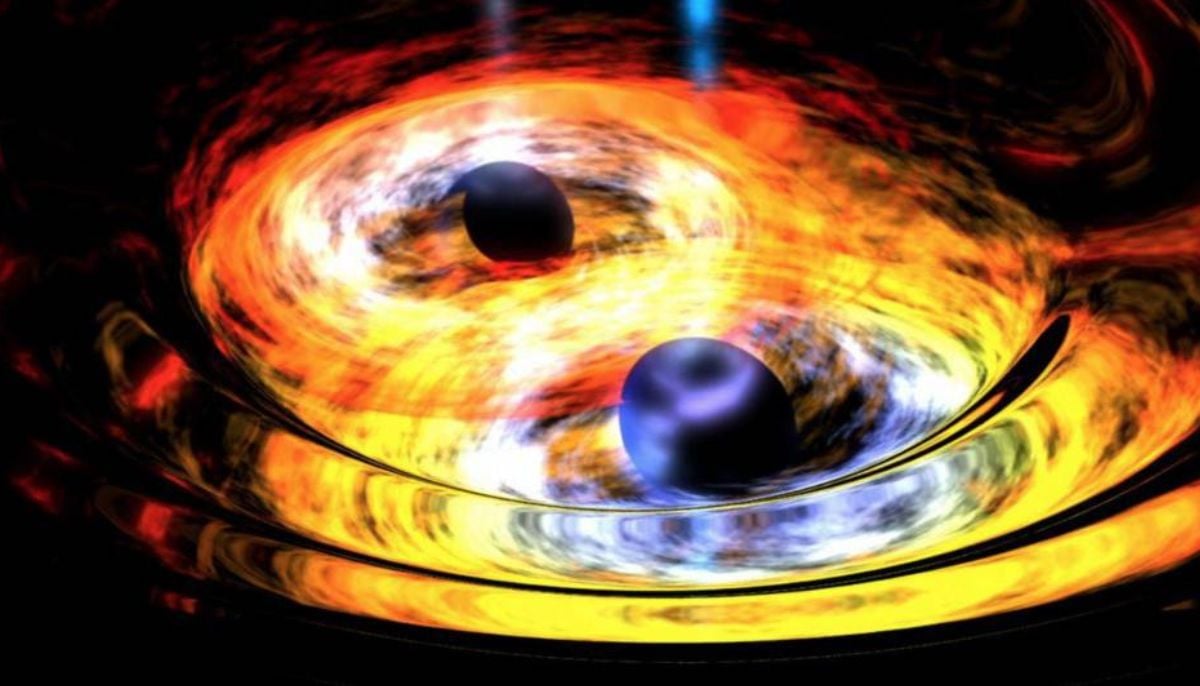 Giant black holes are cosmic ‘Frankensteins’ built by mergers, new study reveals
 -
 NASA’s Artemis 2 moon launch becomes the largest event in Space Coast history
 -
 Is success written in your DNA? New study reignites nature vs nurture debate
 -
 Researchers found 240-million-year-old giant mysterious 'sand creeper'
 -
 New solar-powered process turns plastic waste into clean hydrogen
-
 Giant squid detected off Western Australia coast as deep-sea study reveals hidden species
 -
Astronomers discover unexpected atmosphere beyond Pluto on tiny solar system object
-
‘Evolution is not always random’: Study finds same gene reused for 120 million years
-
Real-life Tatooine moment: Astronomers discover 27 ‘Star Wars’ like planets orbiting two suns