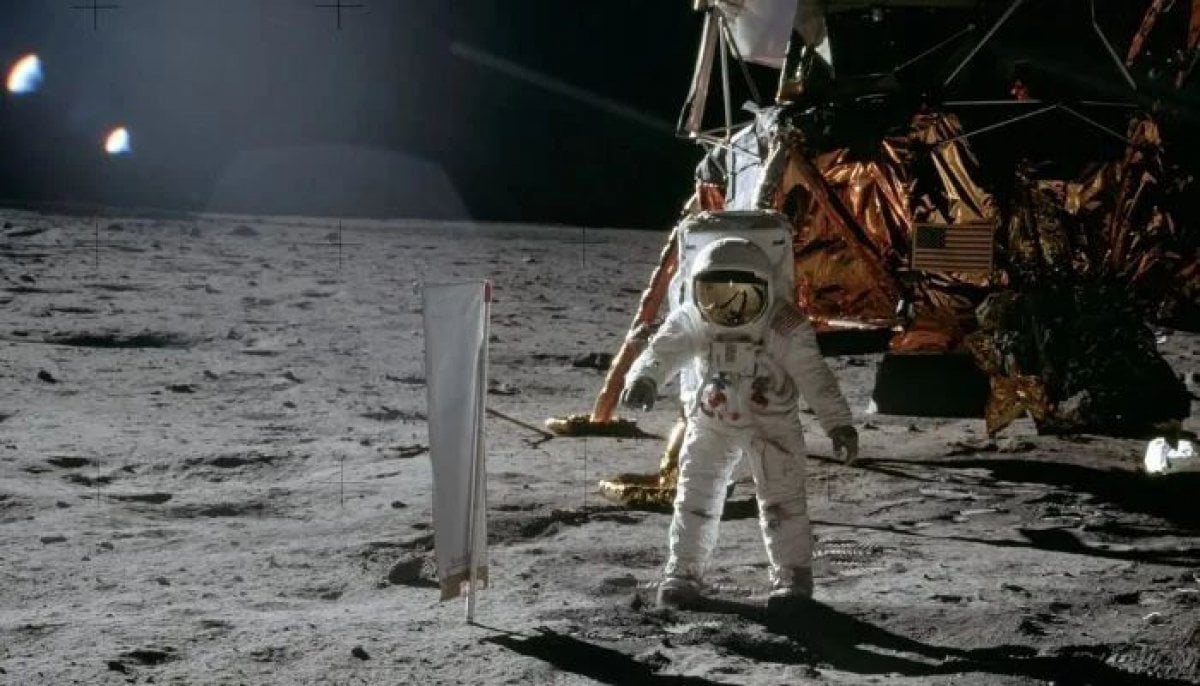
NASA restructures Artemis mission, pushing first lunar landing to 2028
The Artemis plan aims to achieve lunar landings in 2028, inserting a mid-2027 low-Earth orbit demo while Artemis III stays on track for April 2026
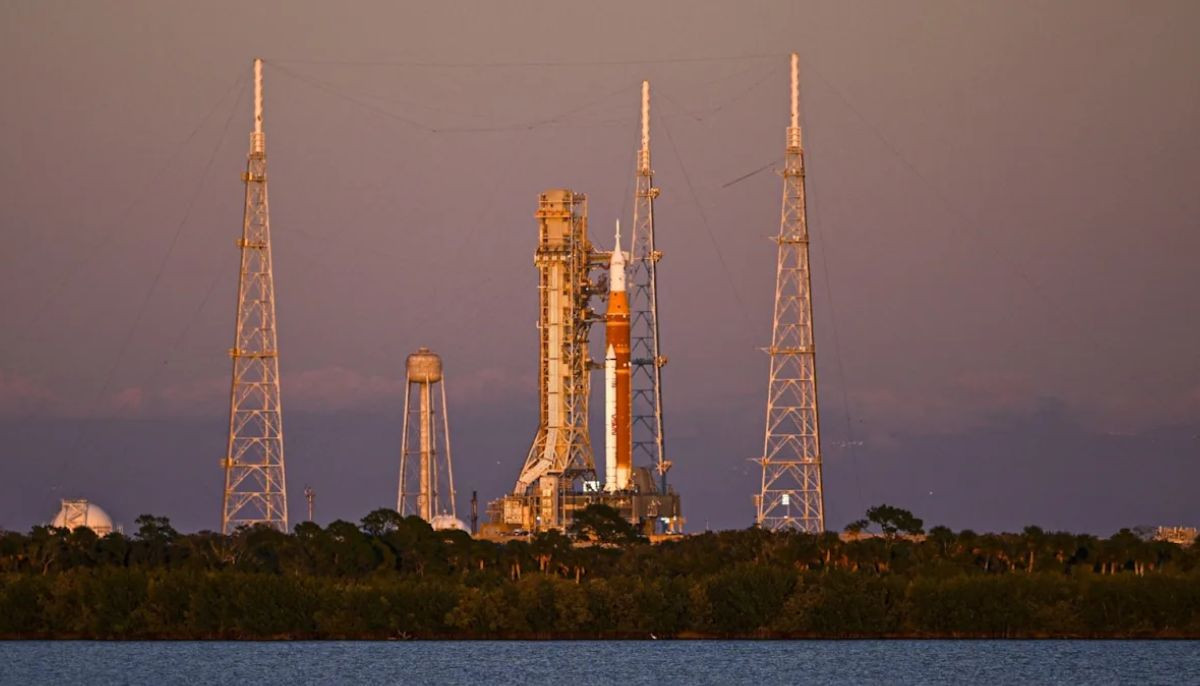
NASA has officially announced a major overhaul of the Artemis program, and aims to build a new strategy that focuses on getting back to basics by simplifying hardware and mission objectives to achieve a sustainable launch cadence.
The Artemis plans to achieve lunar landings in 2028, inserting a mid-2027 low-Earth orbit demo for Artemis III stays on track for April 2026.
The agency standardized the SLS Block 1 rocket, canceled delayed upgrades and launched the “NASA Force” to recruit engineering talent for faster progress. The tests include rendezvous and docking with one or both commercial landers from SpaceX and Blue Origin, as well as in-space trials of life support. NASA also plans to use the mission to rebuild core strengths within its workforce, including collaboration with private partners.
In this connection Isaacman said: “When you are launching every three years, your skills atrophy, you lose muscle memory.”
“ We got a lot of really talented folks that have been working hard on the Artemis II campaign, and whether they’re going to want to stick around for three more years after this mission is complete is a question mark. This is not the right pathway forward.”
The long-term goals of Artemis are to establish a sustained presence on the moon and eventually send a crewed mission to Mars. A significant challenge is returning before China, which is targeting its first crewed lunar landing by 2030.
Isaacman added, “With credible competition from our greatest geopolitical adversary increasing by the day, we need to move faster, eliminate delays, and achieve our objectives.”


-
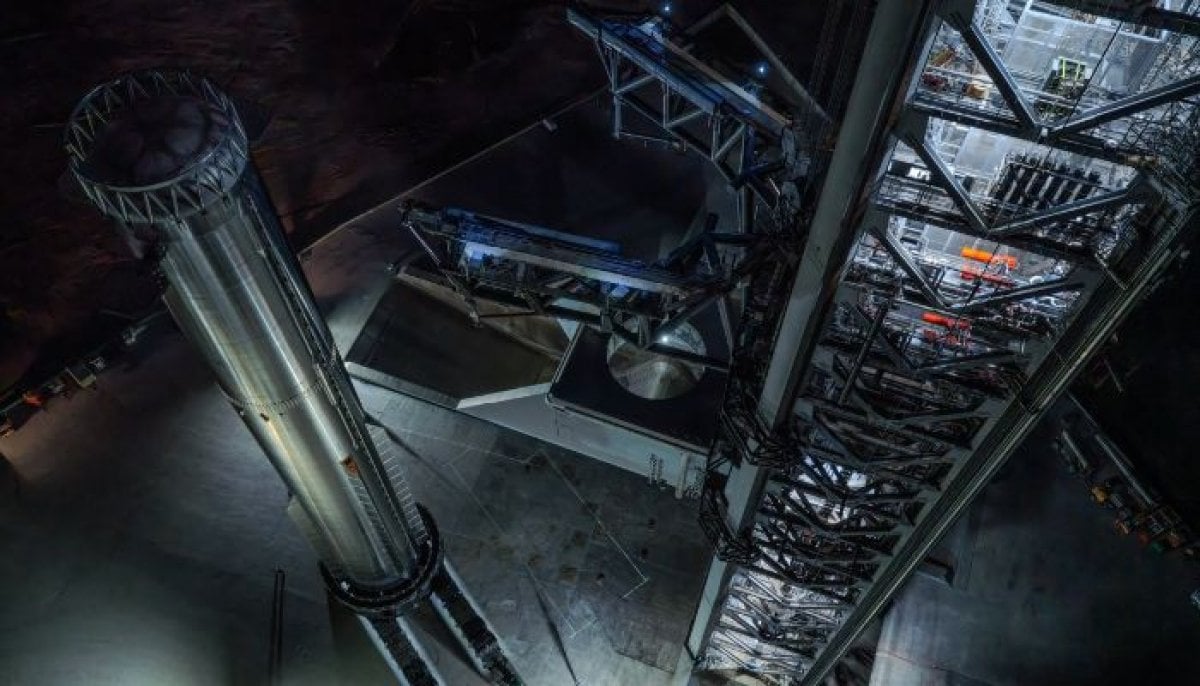 Starship flight 14: Why SpaceX’s first-ever orbital test matters to NASA’s Artemis
 -
 New study explains 364-day Qumran calendar puzzle
 -
 Why does time feel faster as you age? Science explains
 -
 Scientists name newly discovered snake after Guns N' Roses' Slash
 -
 SpaceX secures three new NASA crew flights: What to know
 -
 Sovereign AI fund in talks to back Political Sciences: What to know
 -
 What recent discovered Moon Crater Means for Future Astronauts
 -
 Scientists discover new wild cat species in Bolivia for the first time in a century