Is human mission to Mars possible in 10 years? Jared Isaacman breaks it down
Billionaires like Elon Musk push private space projects while NASA focuses on deep-space exploration

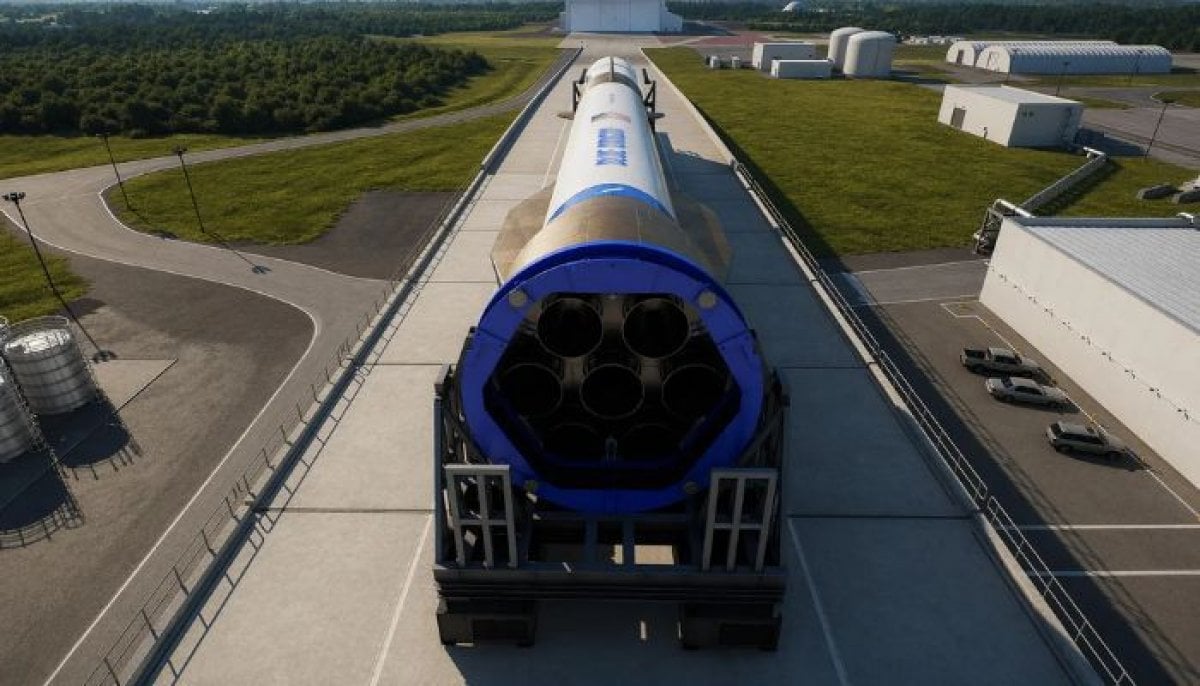
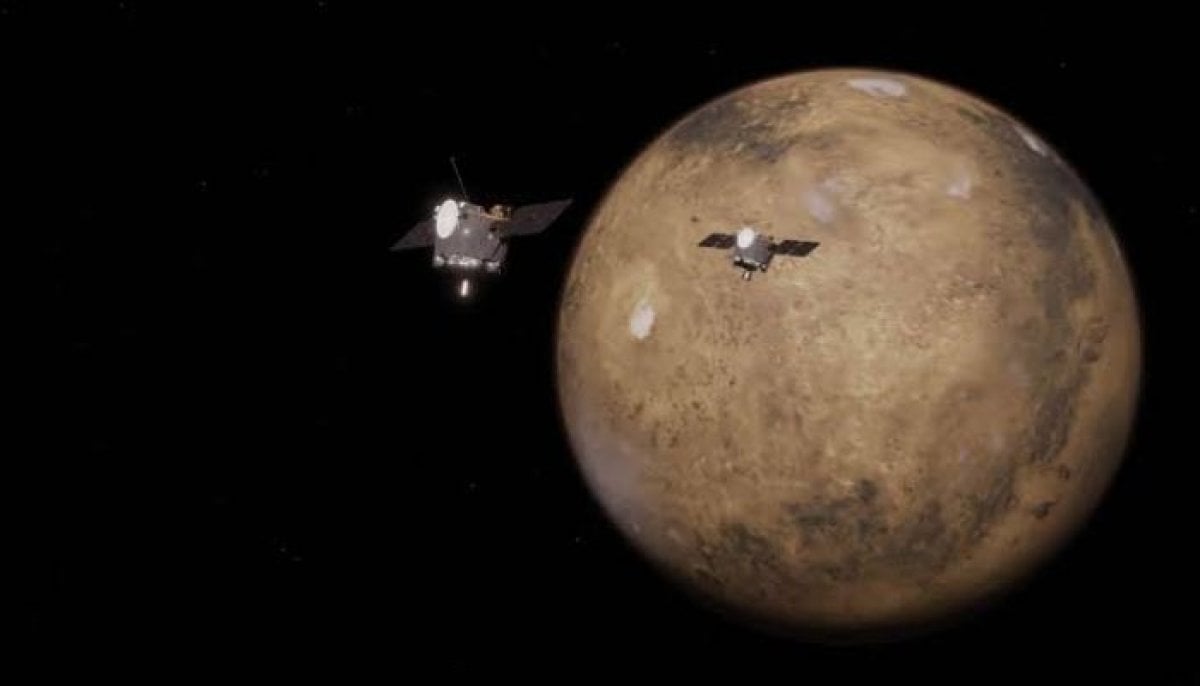
NASA and private companies are competing to send humans to the Moon by planning future Mars missions. NASA, SpaceX and Blue Origin pursue their ambitious programmes to create a lunar base and conduct solar system exploration.
The Artemis programme aims to send astronauts to the Moon and build sustainable infrastructure for future missions.
Moon missions and Artemis programme
NASA Administrator Jared Isaacman announced that astronauts will travel to Moon orbit through the Artemis programme, which uses the Space Launch System (SLS) rocket for their missions. The Artemis 2 mission will conduct system tests needed for upcoming lunar missions, while the Artemis 3 and 4 projects will create the first human base on the Moon.
NASA plans a permanent human presence on the Moon within five to seven years. The project will utilise low-cost rovers and landers together with in situ resource manufacturing systems.
According to Isaacman, SpaceX CEO Elon Musk and Blue Origin work together to create lunar landers which will enable their commercial space missions. Companies from the private sector are assisting NASA by decreasing operational expenses, which enables faster progress in space exploration.
He explained that space stations will generate revenue through their various activities, which include AI data centres and medical research conducted in microgravity environments. NASA will use the Moon as a testing site to prepare for its Mars missions.
The Moon will provide essential resources for upcoming space missions through its permanent infrastructure and its experiments, which will test radiation defence systems and spacecraft engines and resource mining technology.
According to Isaacman, nuclear-powered spacecraft and advanced technologies will remain under NASA control until the commercial space sector takes over their development. NASA administrator Isaacman explained that humanity will start to establish permanent settlements on the Moon, which will enable future Mars exploration.


-
 Elon Musk’s Mars colonization dream faces reality check from Nobel laureate
 -
 NASA competition model 2.0 cuts mission selection by 45%
 -
 A ‘neglected’ neutrino may hold the key to why the Universe exists
 -
 Can cancer drugs be made in space? Here’s what the new mission aims to find out
 -
 SpaceX Falcon 9 successfully launches Bandwagon-5 mission with 32 payloads
 -
 Europe launched 8 orbital rockets last year, can it rival Starlink?
 -
 Japan launches world’s first mission to bring sample back from phobos
 -
 Orionid meteor shower 2026: Peak date, viewing tips and what to expect