New observatory sends 800,000 asteroid alerts in one night
Astronomers can now track asteroids and supernovas within minutes of detection

The Vera C. Rubin Observatory has officially activated its automated alert system, to explore and detect the object movements in space. The system went live on February 24 and generated around 800,000 alerts in its first night alone.
The observatory detected about the orbital objects, including asteroids, supernovas, and active black holes. However, the numbers observed are expected to increase to several millions per night.
The Rubin Observatory system utilises a car-sized Legacy Survey of Space and Time camera to capture the images of these objects. Every night, it takes 1,000 high-resolution images of the night sky. These images are automatically compared to images taken when the telescope first began operation.
If there is any difference detected, it is instantly flagged. The system’s algorithms quickly analyse this difference to make sure whether it is a potential supernova, a moving asteroid, or something else. Within minutes, this information is sent to astronomers all over the world.
This detection system enables scientists to respond quickly to short-lived events in space.
In addition, there is a filtering system within the observatory to ensure that the researchers do not get overwhelmed. The system filters the events based on their type, brightness, and frequency over a specified period of time.






-
 SpaceX’s upgraded Starship V3 ready for high-stakes test flight: Where to watch live
 -
 Scientists hatch live chickens from 3D-printed eggshells: Could artificial wombs be next?
 -
 SpaceX: Starship V3 all set for debut launch ahead of IPO
 -
 Four alien species recovered from crashed UFOs, Ex-CIA researcher claims
 -
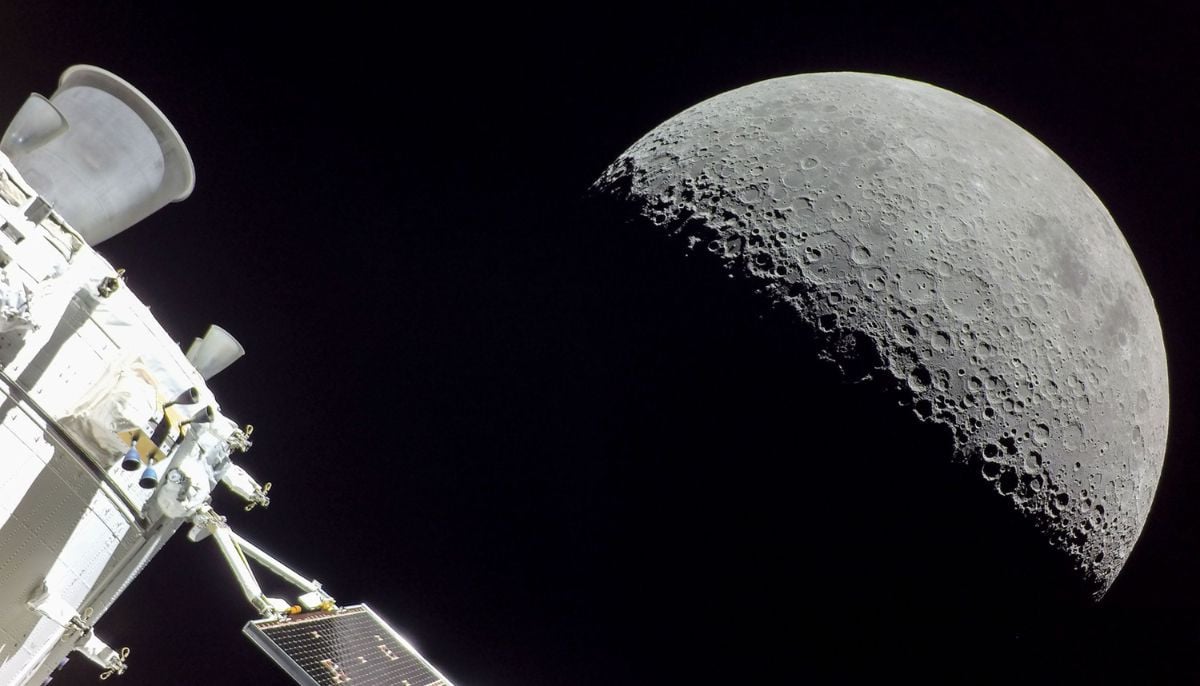 NASA delays Moon landing as Artemis III shifts to orbit mission
 -
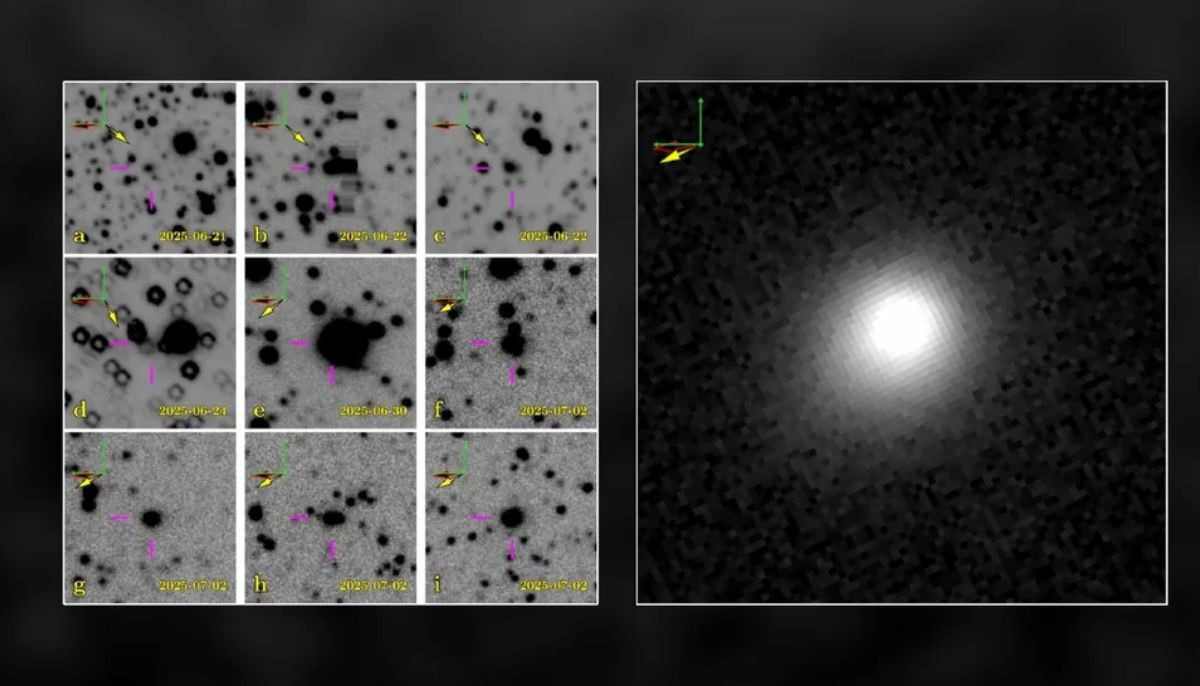 Scientists reveal shocking early sighting of 3I/ATLAS comet
 -
 Asteroid 2026 JH2 to pass extremely close to Earth on May 18: Should we be concerned?
 -
 Meet the ‘last titan’: Giant new dinosaur identified from fossils in Thailand