Total lunar eclipse to turn Moon red on March 2-3
Skywatchers worldwide can catch the blood moon via livestreams from observatories and astronomy platforms
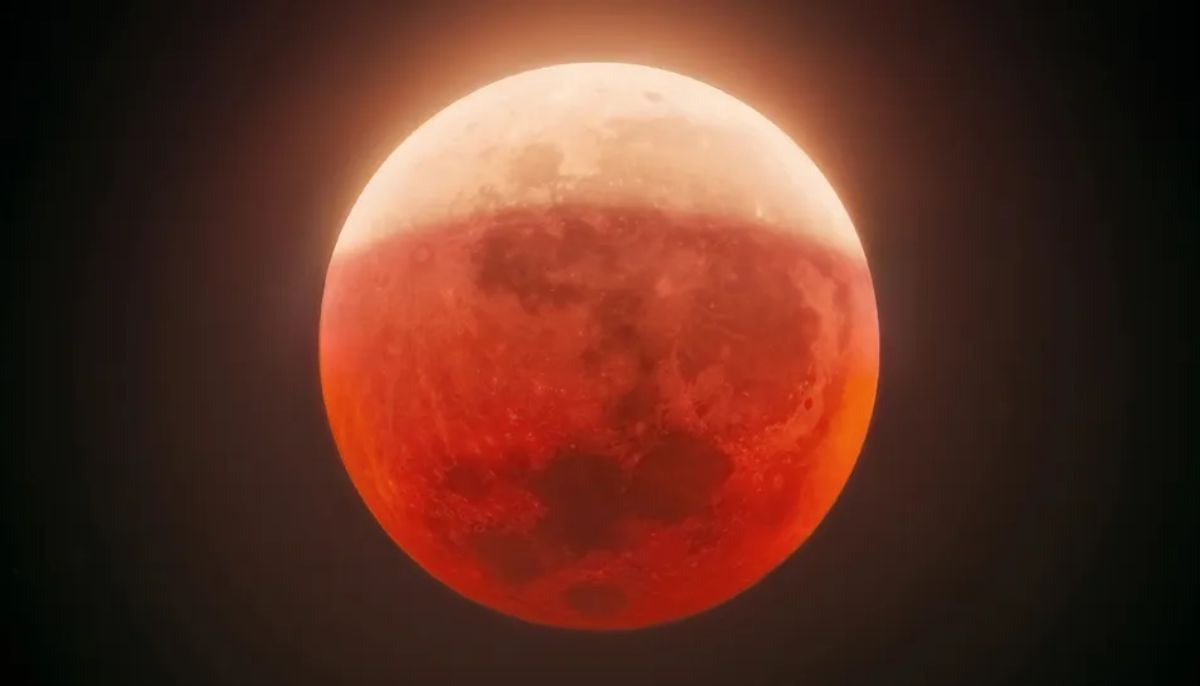
The total lunar eclipse will bring a beautiful blood moon display to the sky between March 2 and 3, 2026. The Earth creating a direct line between the Sun and Moon will produce a 58-minute phenomenon that North America will experience during the early morning hours of March 3.
What is a blood moon?
A blood moon occurs during total lunar eclipses, also known as lunar totality. Reportedly, the complete moon transition into Earth's total shadow creates a red moon appearance. The next total lunar eclipse visible from North America will occur on June 25-26, 2029.
The total lunar eclipse, also called a blood moon, will be visible to most of North America during the early morning of March 3, 2026, after the night of March 2. The full lunar totality will be visible to viewers in Canada, the United States, and parts of Mexico when the Moon turns red during its Earth shadow passage.
Moreover, Western Europe, Africa and Asia will not see the eclipse because observers must depend on livestreams to view the cosmic phenomenon.
Skywatchers in North America can watch the blood moon total lunar eclipse with the naked eye during the early morning. No telescope or special equipment is required, though binoculars can enhance the view. The best experience will be in areas with clear skies and minimal light pollution, away from city lights.


-
 Starship flight 14: Why SpaceX’s first-ever orbital test matters to NASA’s Artemis
 -
 New study explains 364-day Qumran calendar puzzle
 -
 Why does time feel faster as you age? Science explains
 -
 Scientists name newly discovered snake after Guns N' Roses' Slash
 -
 SpaceX secures three new NASA crew flights: What to know
 -
 Sovereign AI fund in talks to back Political Sciences: What to know
 -
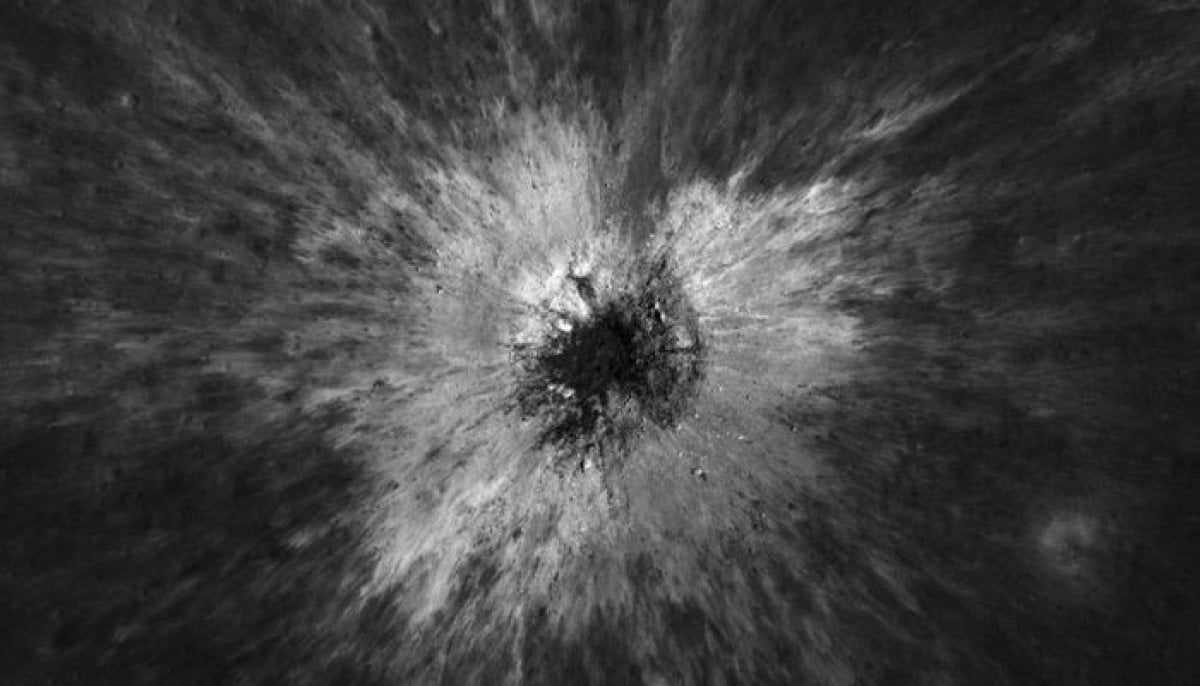 What recent discovered Moon Crater Means for Future Astronauts
 -
 Scientists discover new wild cat species in Bolivia for the first time in a century