Smartphones in orbit? NASA’s Crew-12 and Artemis II missions to use latest mobile tech
The Crew-12 mission to the ISS and the Artemis II mission will be flying with the latest smartphones
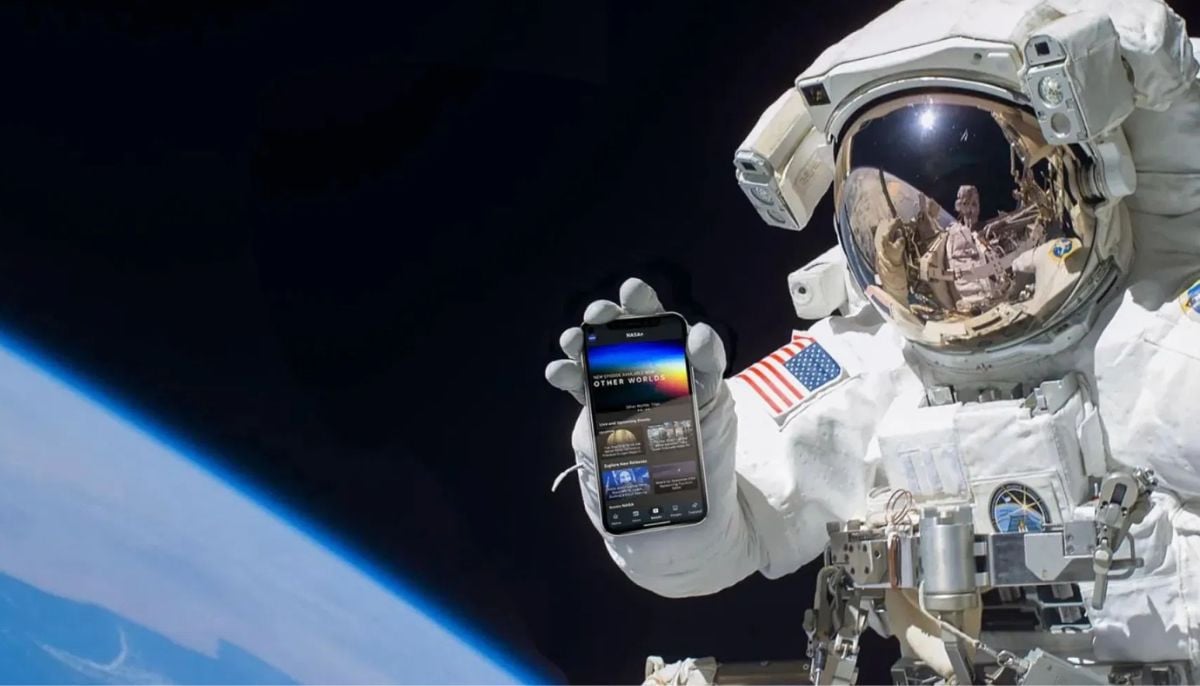
In a surprising turn of events for the upcoming milestone in space exploration, NASA astronauts will be flying with the latest smartphones for the Crew-12 mission to the ISS and the Artemis II lunar flyby.
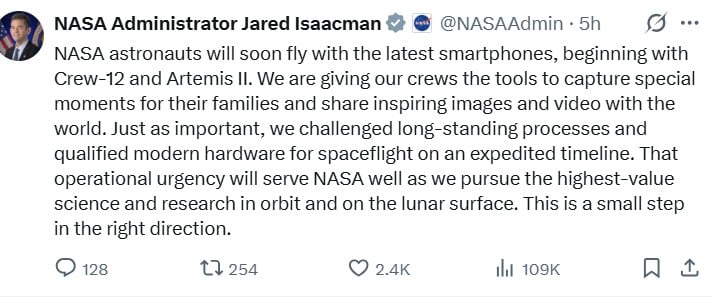
The announcement was shared by NASA Administrator Jared Isaacman on X, “NASA astronauts will soon fly with the latest smartphones beginning with Crew-12 and Artemis II. We are giving our crews the tools to capture special moments for their families and share inspiring images and videos with the world..”
How NASA is enabling the use of personal smartphones on ISS missions?
Including personal smartphones on missions to the International Space Station (ISS) is a rare approach. Strict safety protocols are in place to prevent electromagnetic interference with critical spacecraft systems, a strategy developed from lessons learned in aviation and early spaceflight where electromagnetic disturbances posed interference risks.
Soyuz or Space Shuttle missions were highly restricted and recreational phone use was non-existent. Recent shifts reflect NASA’s push towards efficiency and cost reduction. For the Crew 12 mission to the ISS and the Artemis II lunar flyby, NASA streamlined certification of modern smartphones. This allows astronauts to capture high-resolution photos and videos, which ultimately enhances crew morale. This presents a distinct opportunity to witness how crews document their unique experiences in orbit.


-
 Can cancer drugs be made in space? Here’s what the new mission aims to find out
 -
 SpaceX Falcon 9 successfully launches Bandwagon-5 mission with 32 payloads
 -
 Europe launched 8 orbital rockets last year, can it rival Starlink?
 -
 Japan launches world’s first mission to bring sample back from phobos
 -
 Orionid meteor shower 2026: Peak date, viewing tips and what to expect
 -
 Why Mars looks blue in NASA’s unedited curiosity panorama?
 -
 Blue Origin upgrades new Glenn rocket launch infrastructure to take on SpaceX
 -
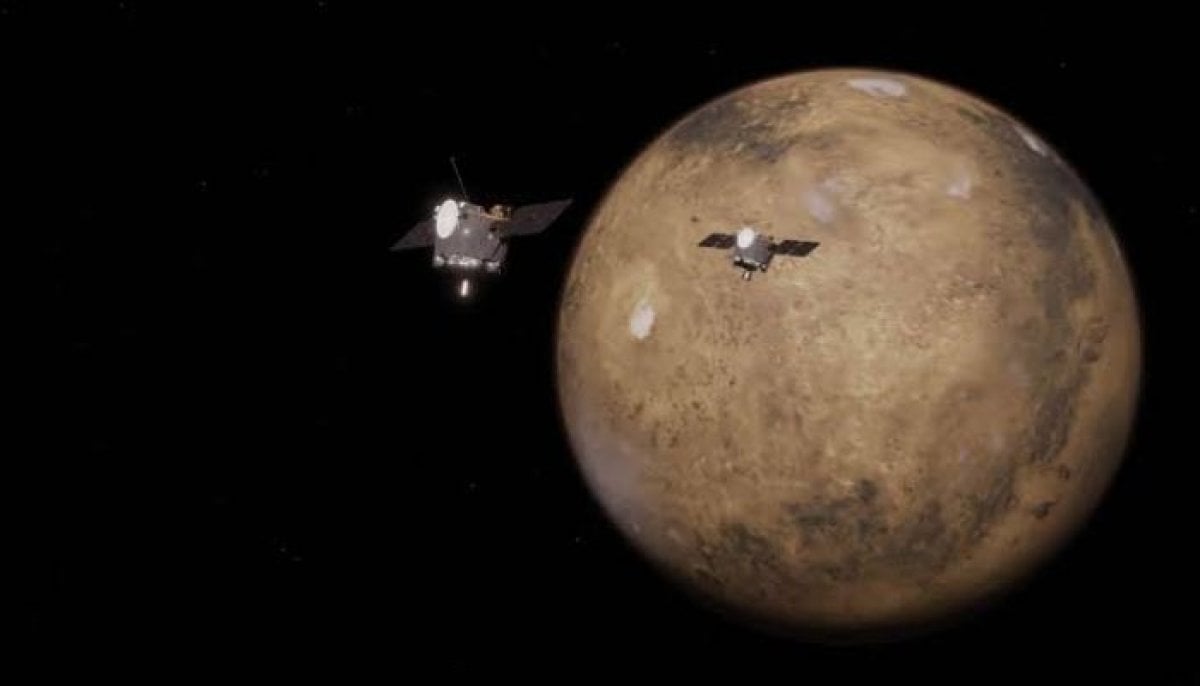 NASA’s next Mars mission targets Phobos and Deimos, not Red Planet