Netherlands repatriates 3500-year-old Egyptian sculpture looted during Arab Spring
The Egyptian artefact surfaced at a Dutch art fair in 2022 and was later confiscated.
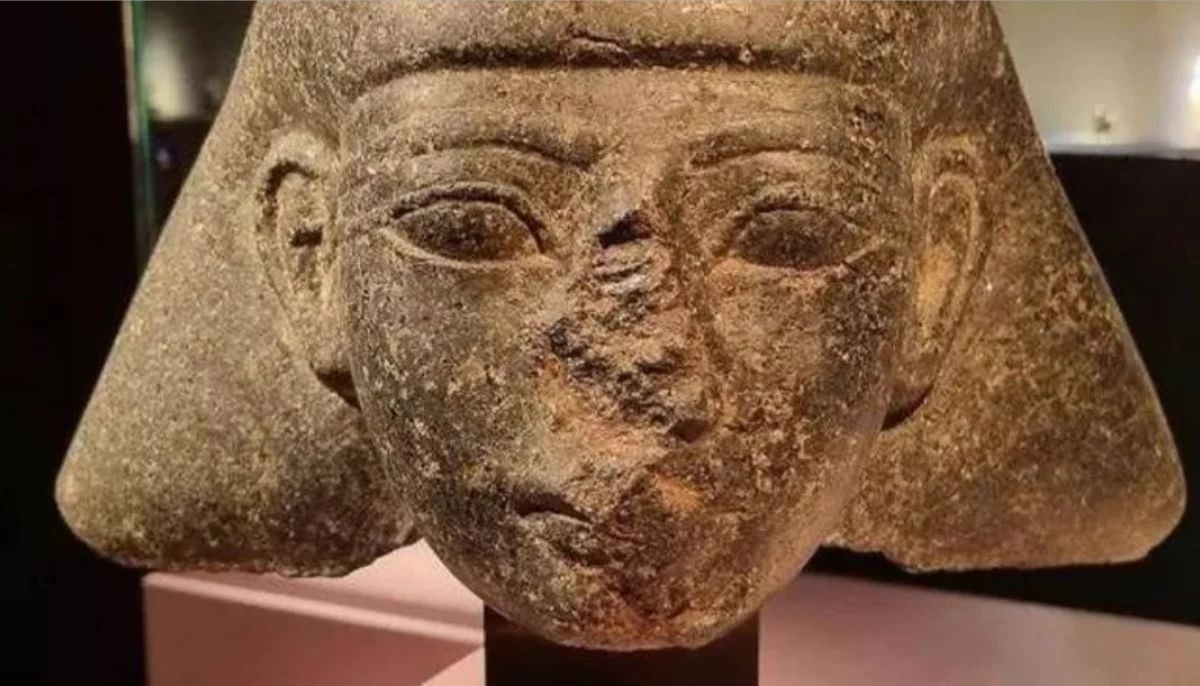
The Netherlands has returned a 3500-year-old looted ancient sculpture to Egypt on Thursday in a historic cultural repatriation move.
According to artefact experts, the sculpture consists of a stone head that was originally a part of a block statue, coming from Luxor in southern Egypt and depicting a senior official from the reign of Pharaoh Thutmose III.
Dutch Culture Minister Gouke Moes said in handing over the artefact to the Egyptian ambassador in a landmark cultural move, "Our policy is to return what doesn't belong to us and to return it always to the rightful cultural group or country.”
Egyptian Ambassador Emad Hanna said, "It means a lot to us when it comes to tourism and economy, because at the end of the day, when tourists come to Egypt to see these things, it definitely makes a difference".
As reported by Reuters, the Egyptian artefact surfaced at a Dutch art fair in 2022 and was later confiscated.
It is widely believed and supported by 2025 investigation that the sculpture was plundered unlawfully during 2011 Arab Spring mayhem. Later, it appeared in the international art market.
The holder Sycomore Ancient Art willingly surrendered the artefact to the authorities due to unexplained origins of sculpture and following investigation.


-
 New study explains 364-day Qumran calendar puzzle
 -
 Why does time feel faster as you age? Science explains
 -
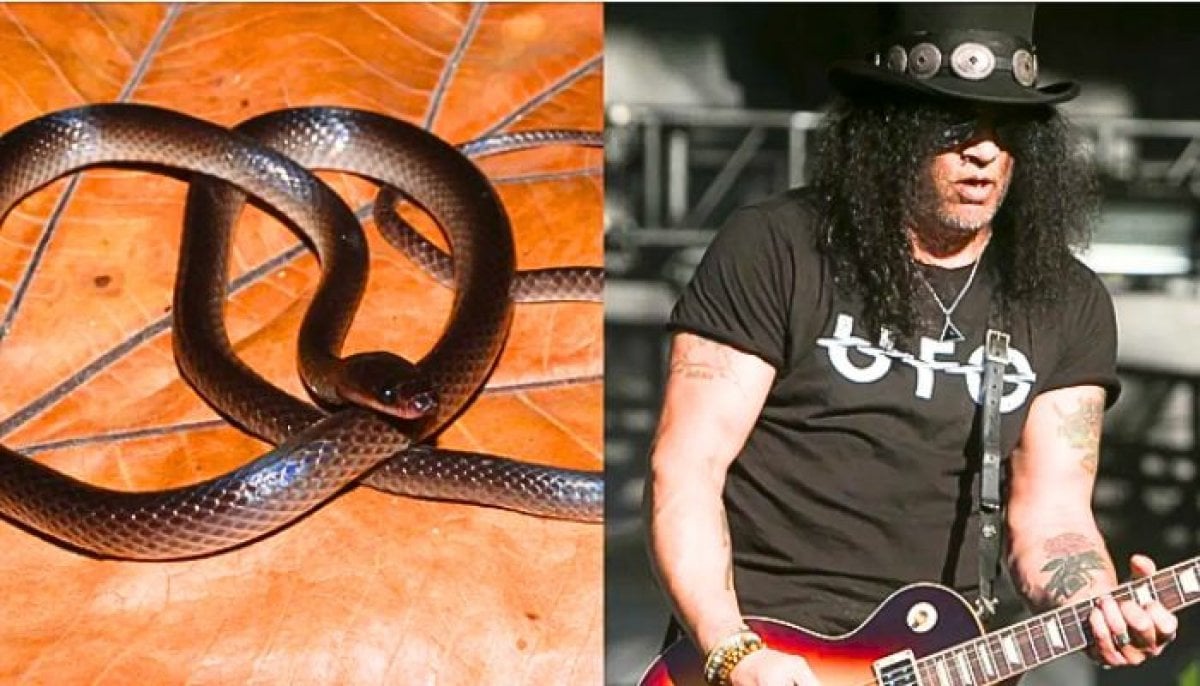 Scientists name newly discovered snake after Guns N' Roses' Slash
 -
 SpaceX secures three new NASA crew flights: What to know
 -
 Sovereign AI fund in talks to back Political Sciences: What to know
 -
 What recent discovered Moon Crater Means for Future Astronauts
 -
 Scientists discover new wild cat species in Bolivia for the first time in a century
 -
 SpaceX turns to failed startups for AI training: Here’s why