Shanghai Fusion ‘Artificial Sun’ achieves groundbreaking results with plasma control record
Nuclear fusion often referred to as the ‘artificial sun’ mimics the sun’s thermonuclear reactions
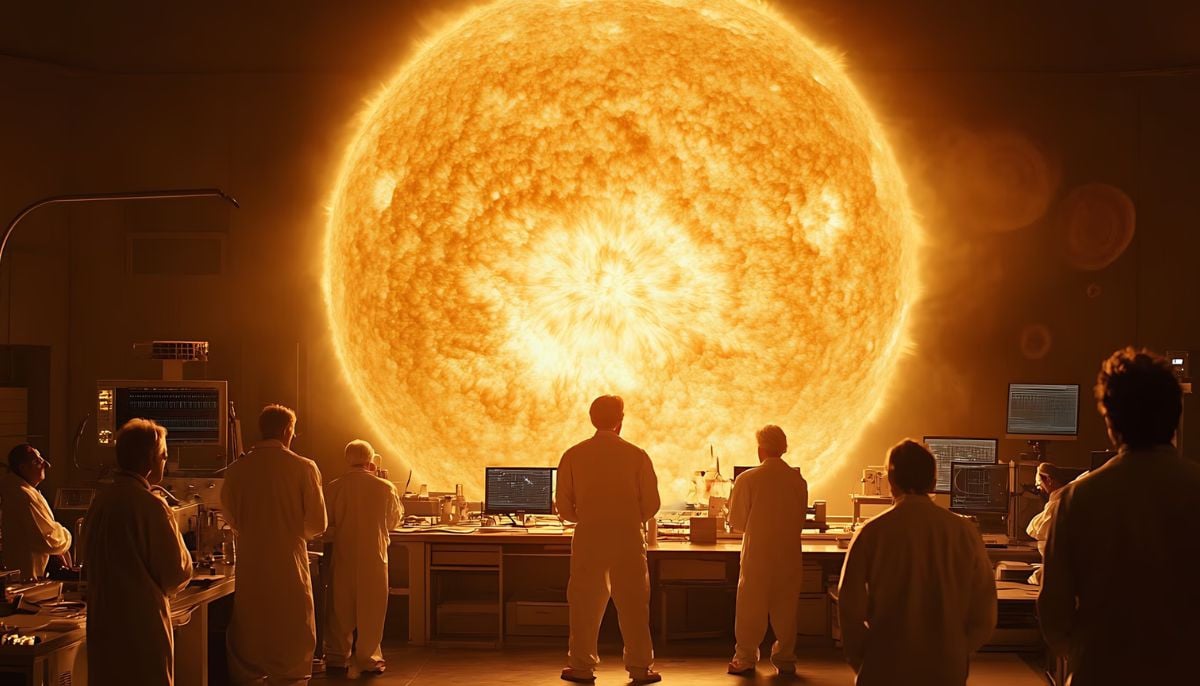
The Shanghai-based fusion startup Energy Singularity has achieved a landmark milestone, setting a global record for a commercially constructed nuclear fusion device with its HH70 high-temperature superconducting (HTS) tokamak. The device demonstrated the ability to sustain a plasma current for 1,337 seconds.
Founded in 2021, Energy Singularity marked a milestone for Chinese fusion energy in 2024, by launching the world’s high-temperature superconducting (HTS) tokamak. Since its inception, the device has conducted 5,755 experiments and achieved remarkable results.
In this connection Dong Ge, co-founder of Energy Singularity said, “This breakthrough is not merely about time; it demonstrates that the deep integration of HTS and AI control technologies has reached engineering feasibility paving the way for high-efficiency of future fusion power plants.”
The innovative HH70 device features an impressive localization of 96 percent in its intellectual property and serves as a crucial experimental platform. Building on this success, the company is now developing its successor, with the ultimate goal of achieving net fusion energy gain.


-
 New study explains 364-day Qumran calendar puzzle
 -
 Why does time feel faster as you age? Science explains
 -
 Scientists name newly discovered snake after Guns N' Roses' Slash
 -
 SpaceX secures three new NASA crew flights: What to know
 -
 Sovereign AI fund in talks to back Political Sciences: What to know
 -
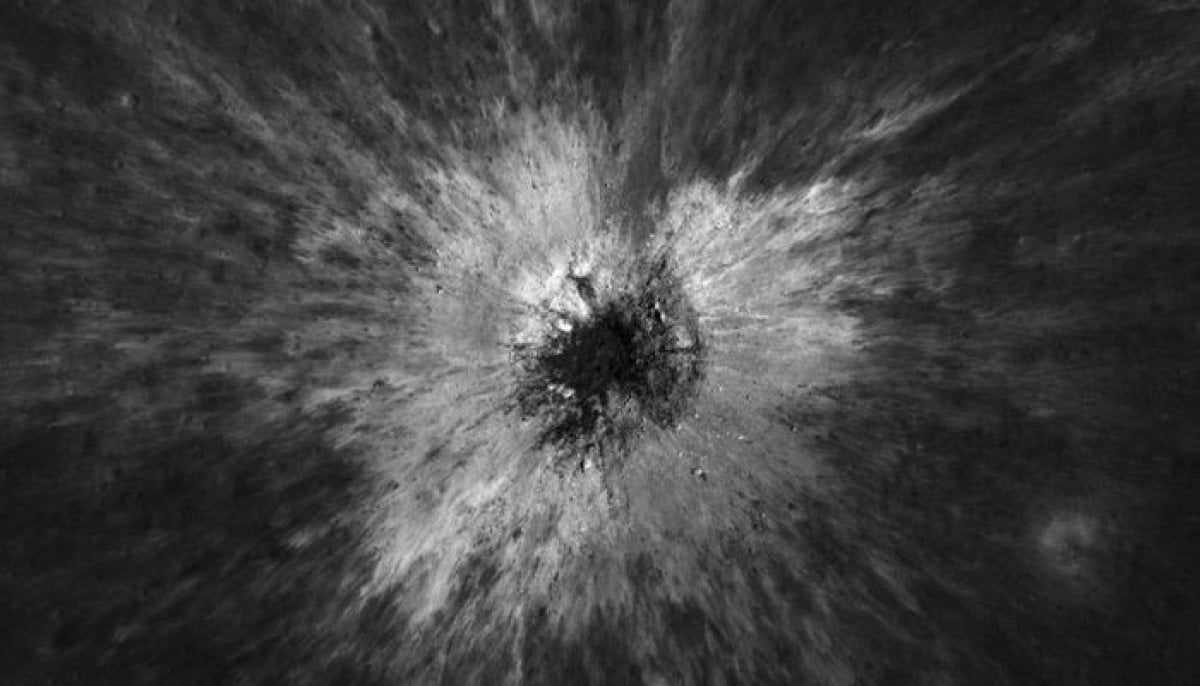 What recent discovered Moon Crater Means for Future Astronauts
 -
 Scientists discover new wild cat species in Bolivia for the first time in a century
 -
 SpaceX turns to failed startups for AI training: Here’s why