
NASA's first asteroid sample-collector nears target, Bennu
The $800 million mission, known as OSIRIS-REx, is targeted for a 12 pm (1700 GMT) rendez-vous with the asteroid, and will use its suite of five science instruments to study the asteroid for the next year and a half.
Tampa -NASA´s first-ever mission designed to visit an asteroid and return a sample of its dust back to Earth arrives Monday at its destination, Bennu, two years after launching from Cape Canaveral, Florida.
The $800 million mission, known as OSIRIS-REx, is targeted for a 12 pm (1700 GMT) rendez-vous with the asteroid, and will use its suite of five science instruments to study the asteroid for the next year and a half.
Then, in 2020, it will reach out with its robotic arm and touch the asteroid in what NASA has described as a "gentle high-five," aiming to collect about two ounces (60 grams) of material from the asteroid´s surface, and return it to Earth for further study.
Bennu is a carbon-rich asteroid, chosen from some 500,000 asteroids in the solar system because it orbits close to Earth´s path around the Sun, is the right size for scientific study, and is one of the oldest asteroids known to NASA.
Scientists hope it will reveal more about the early formation of the solar system, as well as how to find precious resources like metals and water in asteroids.
Japanese space agency JAXA first proved sample collection from an asteroid was possible.
JAXA´s Hayabusa spacecraft crash-landed into the surface of its target asteroid and managed to return a few micrograms of material in 2010.
A live NASA broadcast of the OSIRIS-REx spacecraft´s formal arrival begins at 11:45 am (1645 GMT).
OSIRIS-REx stands for Origins, Spectral Interpretation, Resource Identification, Security-Regolith Explorer.




-
 Shanghai Fusion ‘Artificial Sun’ achieves groundbreaking results with plasma control record
 -
 Polar vortex ‘exceptional’ disruption: Rare shift signals extreme February winter
 -
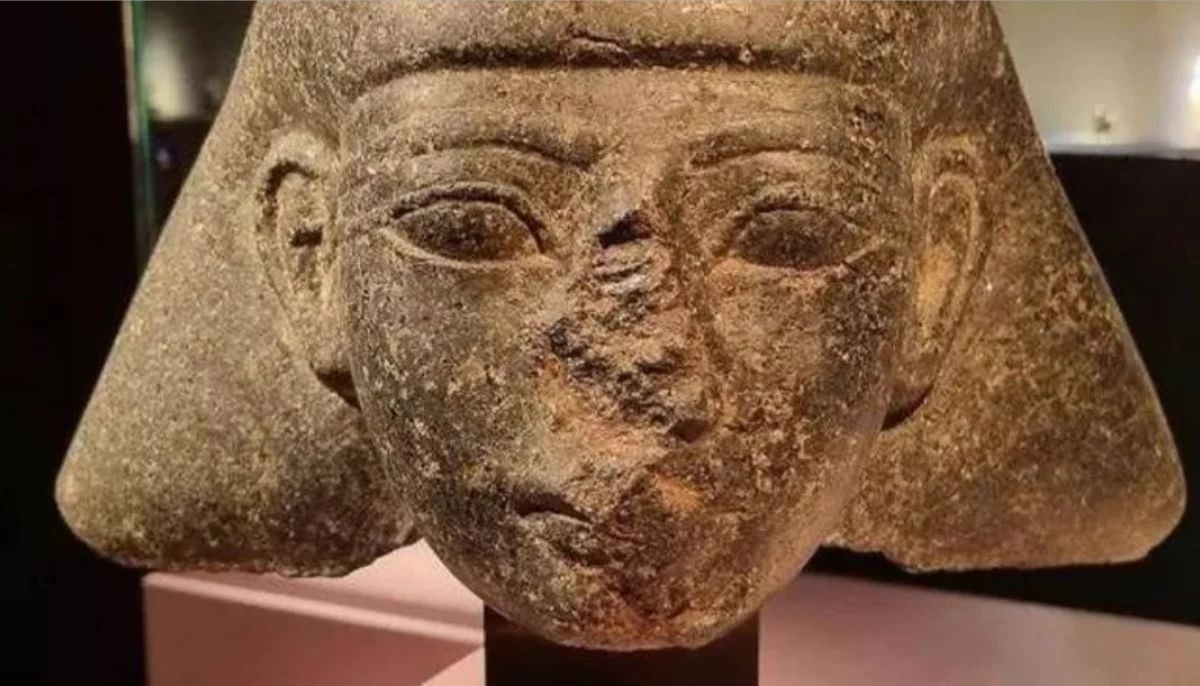 Netherlands repatriates 3500-year-old Egyptian sculpture looted during Arab Spring
 -
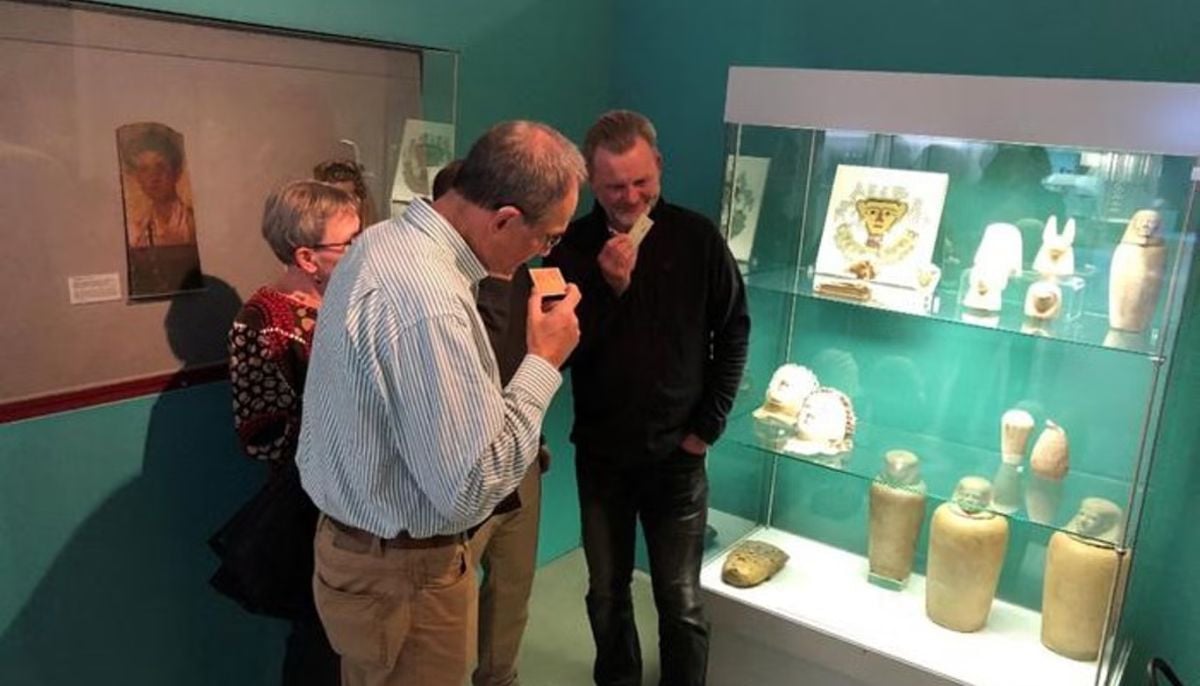 Archaeologists recreate 3,500-year-old Egyptian perfumes for modern museums
 -
 Smartphones in orbit? NASA’s Crew-12 and Artemis II missions to use latest mobile tech
 -
 Rare deep-sea discovery: ‘School bus-size’ phantom jellyfish spotted in Argentina
 -
 NASA eyes March moon mission launch following test run setbacks
 -
 February offers 8 must-see sky events including rare eclipse and planet parade