
MIAMI: NASA on Friday launched the latest in a series of satellites aimed at ensuring astronauts at the International Space Station can communicate with Earth.
The $408 million Boeing-made Tracking and Data Relay Satellite (TDRS-M) soared into space atop an Atlas V rocket that launched from Cape Canaveral, Florida at 8:29 am (1229 GMT).
The satellite will "support critical space communication into the mid-2020s," NASA said in a statement.
The satellite will facilitate space-to-ground communication for NASA´s low-Earth orbit operations, "ensuring scientists, engineers and control room staff can readily access data for missions like the Hubble Space Telescope and the International Space Station."
TDRS-M is the last of 13 such satellites that have been launched since 1983.
An antenna on the satellite was damaged last month at a processing facility in Titusville, Florida. The satellite was repaired, but the mishap set the launch back by about two weeks.






-
 Dutch seismologist hints at 'surprise’ quake in coming days
 -
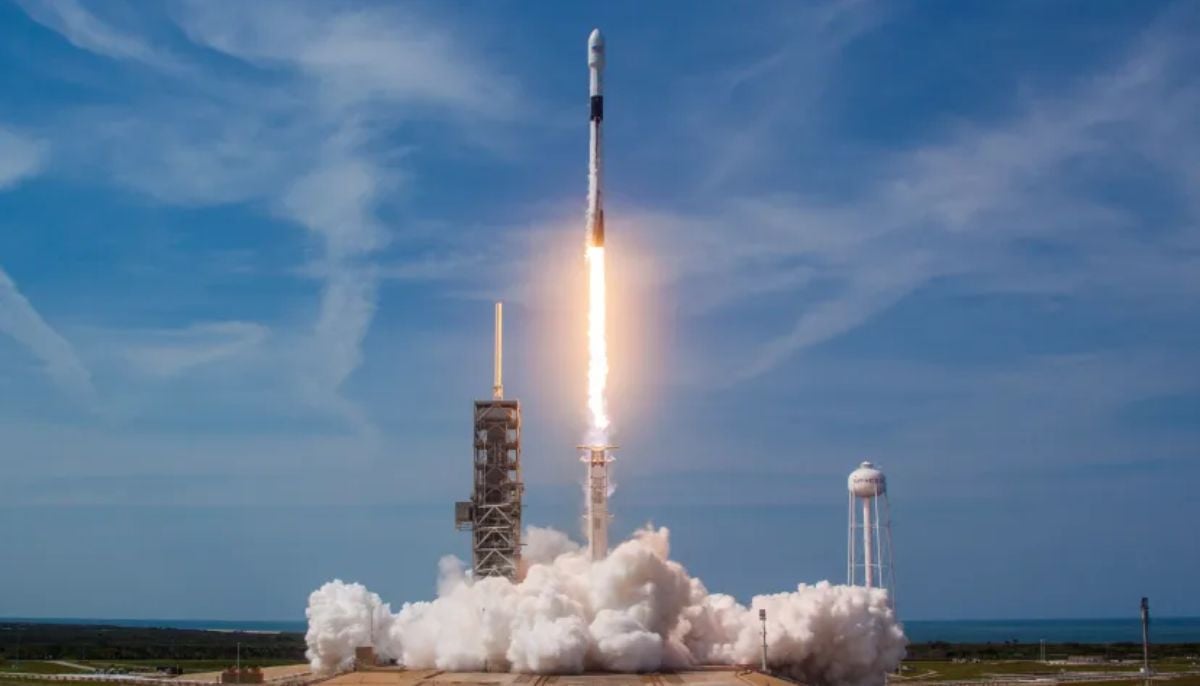 SpaceX cleared for NASA Crew-12 launch after Falcon 9 review
 -
 Is dark matter real? New theory proposes it could be gravity behaving strangely
 -
 Shanghai Fusion ‘Artificial Sun’ achieves groundbreaking results with plasma control record
 -
 Polar vortex ‘exceptional’ disruption: Rare shift signals extreme February winter
 -
 Netherlands repatriates 3500-year-old Egyptian sculpture looted during Arab Spring
 -
 Archaeologists recreate 3,500-year-old Egyptian perfumes for modern museums
 -
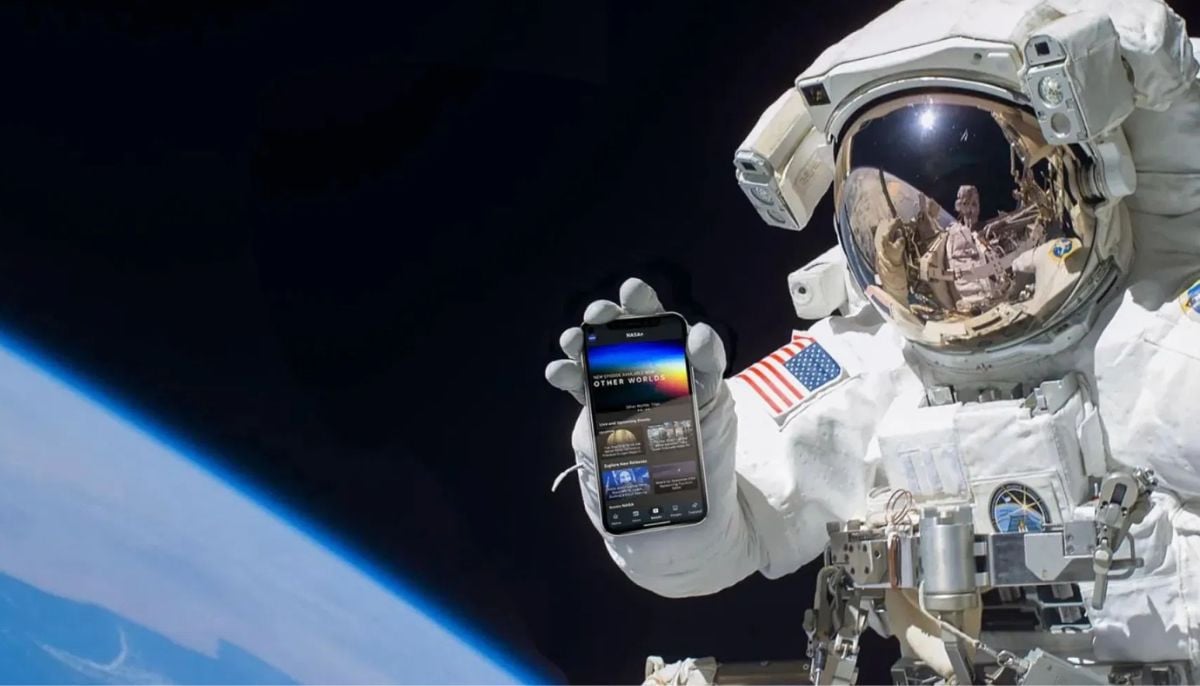 Smartphones in orbit? NASA’s Crew-12 and Artemis II missions to use latest mobile tech