Northern Lights: Calm conditions persist amid low space weather activity
Stargazers will be able to view a dazzling display of the Northern Lights tonight

Stargazers will be able to view the enchanting views if they are in the right place, though the Northern Lights will remain largely calm tonight.
Geomagnetic conditions hover between quiet and unsettled on February 10. According to space weather forecasts, one may expect lingering disturbances in the solar wind to diminish through the day, allowing quiet space weather to prevail tonight. Currently, Earth is still feeling the effects of a weak fast solar wind from a coronal hole, alongside the fading influence of a partial coronal mass ejection (CME).
While conditions surrounding the Northern Lights remain relatively quiet and confined to high latitudes, Earth will continue to experience calm wind conditions. Conversely, although the sun has been extremely active within a rapidly increasing sunspot region, no immediate impacts are expected to hit Earth.
Stargazers often wanted to know the key indicator of aurora activity: the Bz value of the Interplanetary Magnetic Field. A strong southward allows the solar wind to connect with Earth’s magnetosphere. When these energized particles collide with atoms in Earth’s atmosphere, they release energy in the form of light known as an aurora. Consequently, a strong southward Bz, significantly increases the chances of a visible display.


-
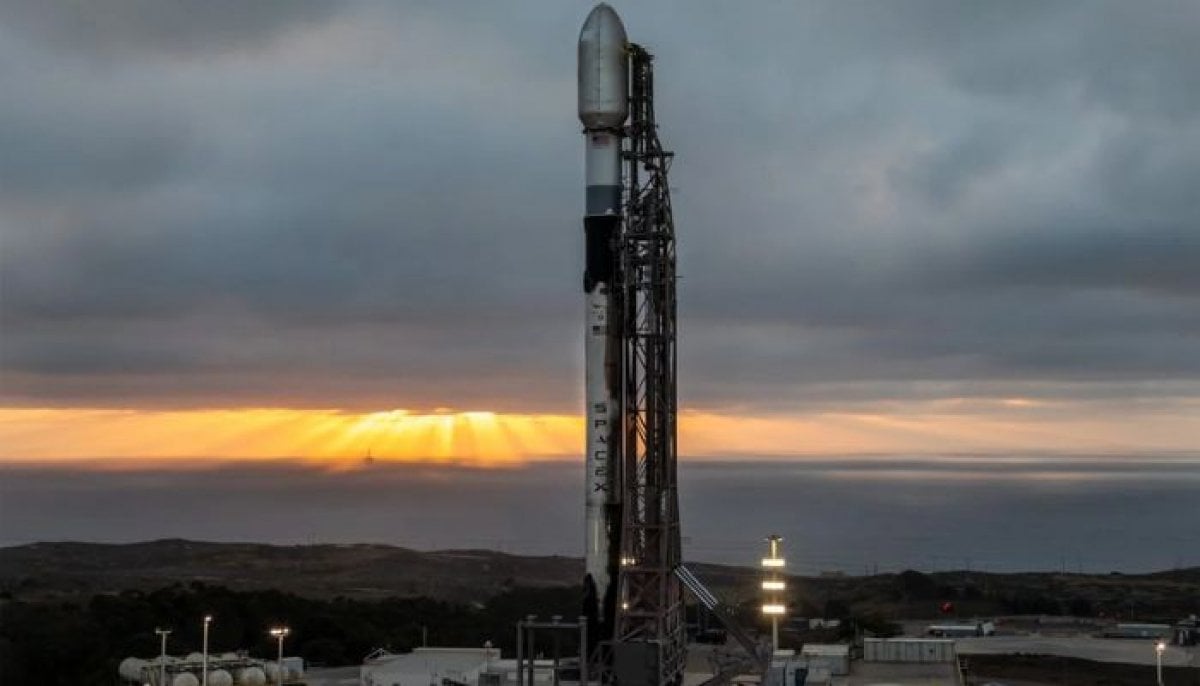 SpaceX Falcon 9 launches 21 military satellites into orbit
 -
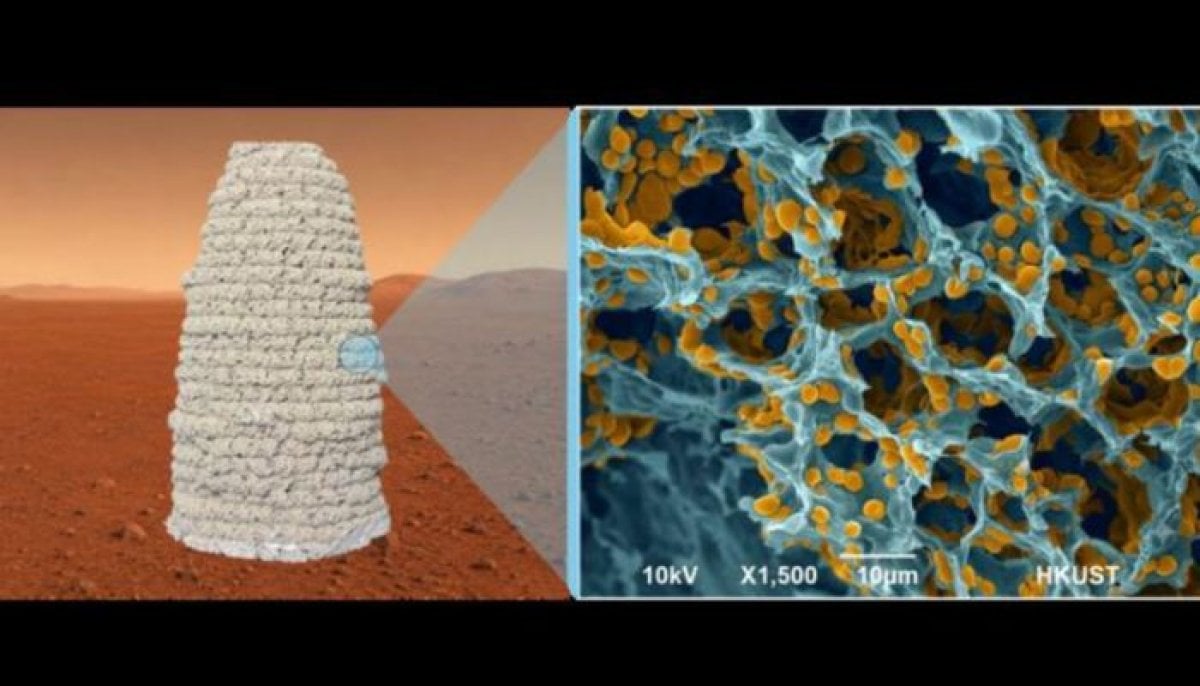 Could a newly engineered microbe help humanity survive on Mars?
 -
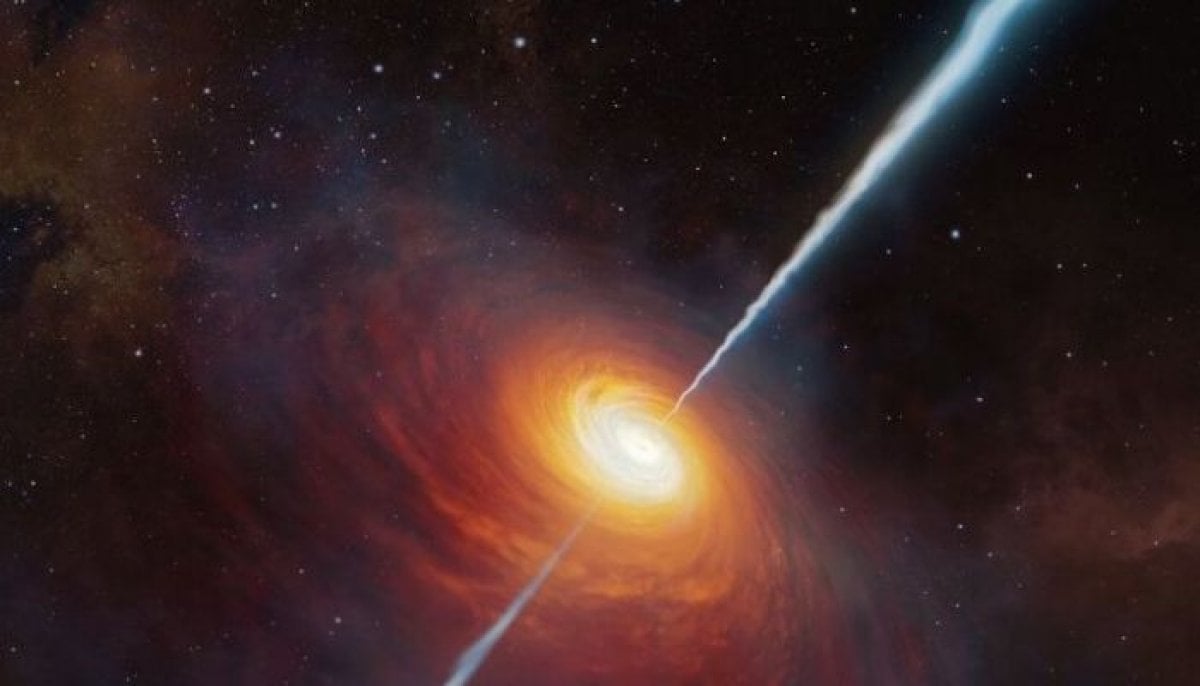 Astronomers find most distant fast radio burst ever recorded
 -
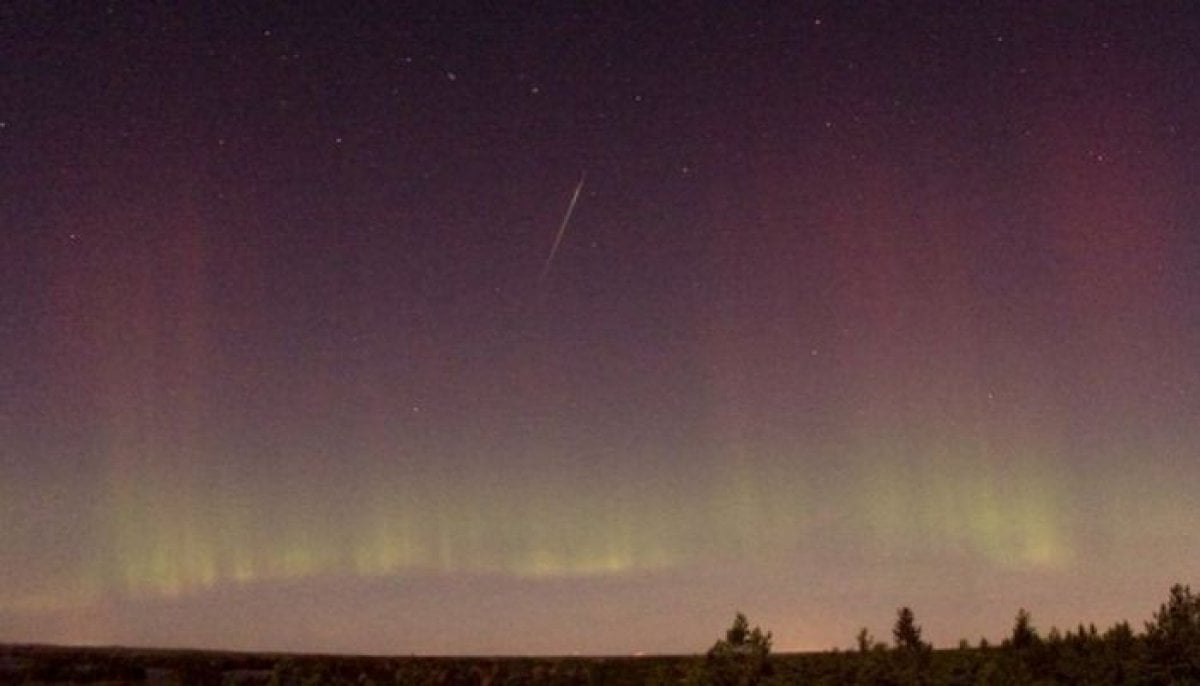 Draconid meteor shower tonight: Best time and places to see it
 -
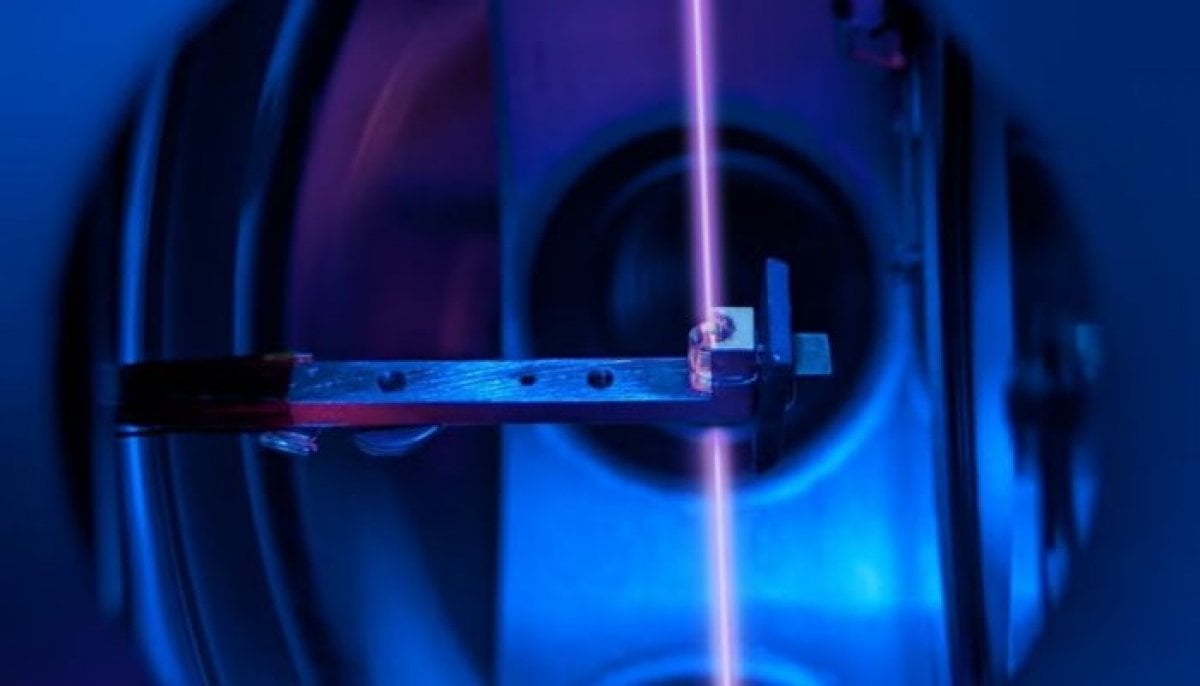 ‘A dream for 50 years’: Why world’s first nuclear clock could change timekeeping
 -
 NASA Curiosity captures strange ‘wind-carved’ Mars landscape in dawn image
 -
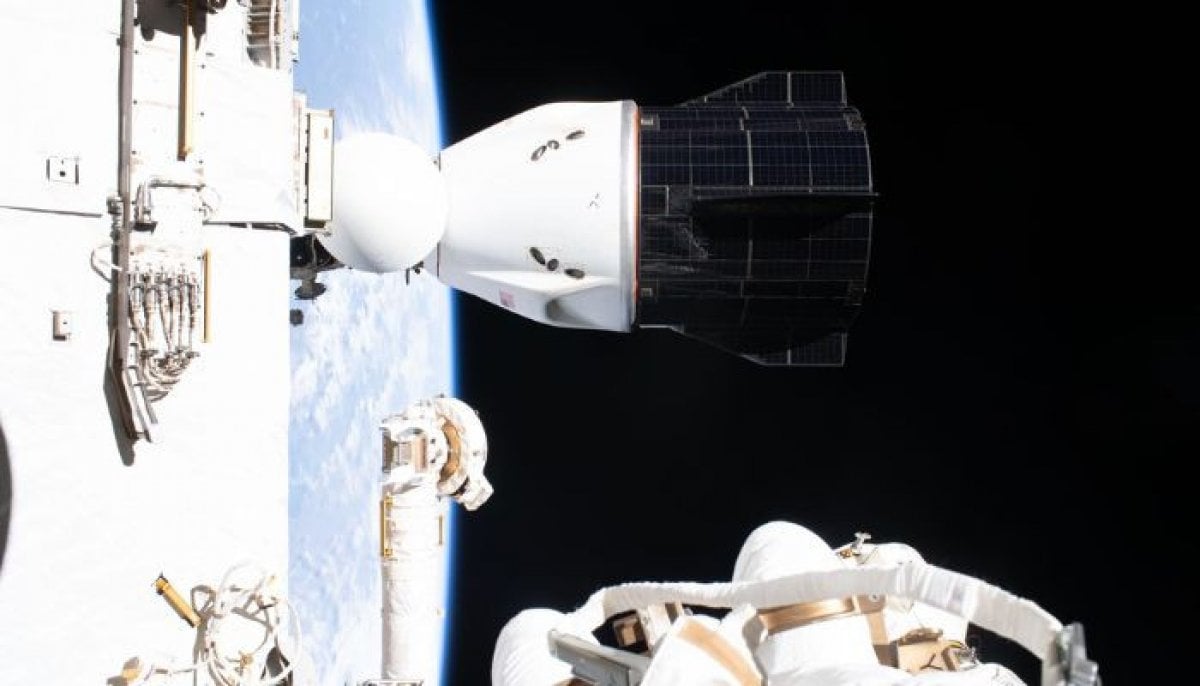 NASA's Crew-12 Dragon begins return trip from space station
 -
 Mysterious ‘phoenix planet’ found around the remains of a dying star