
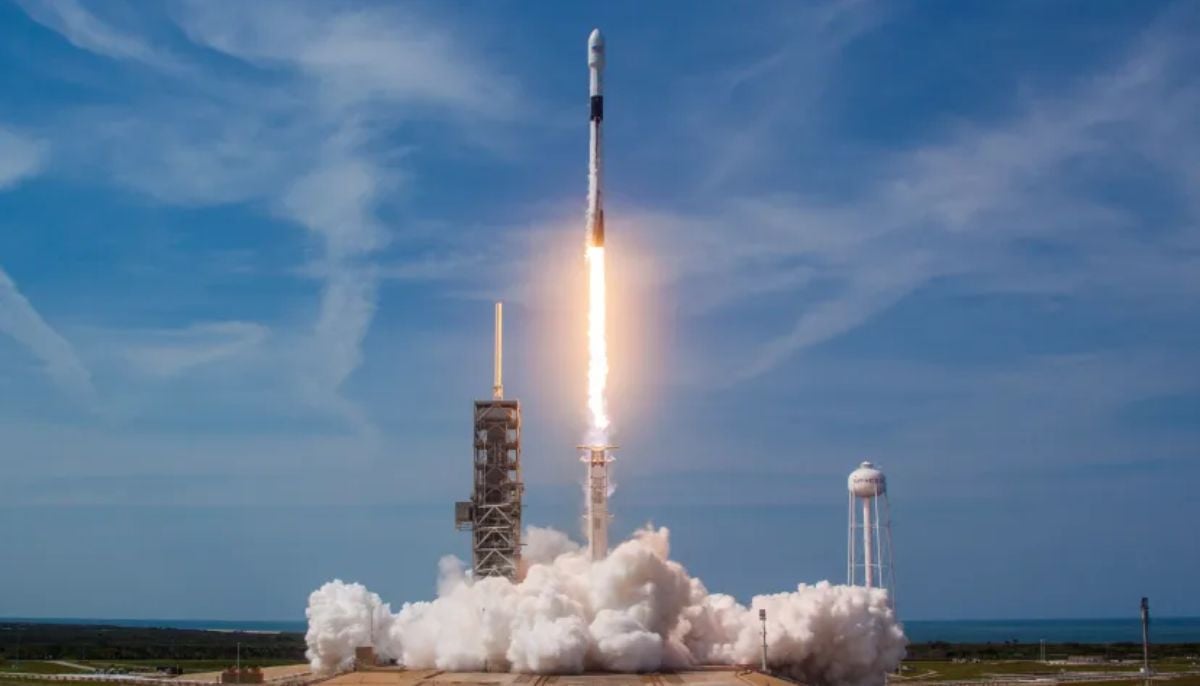
CAPE CANAVERAL, FLA: Elon Musk's SpaceX has been forced to delay the return of its rockets to flight until January as an investigation continues into a launch pad explosion earlier this year, the tech billionaire' s company said on Wednesday.
The company had hoped to launch a Falcon 9 rocket on Dec. 16 to put 10 satellites into orbit for Iridium Communications Inc., but did not receive a required license to fly from the Federal Aviation Administration, which oversees U.S. commercial space transportation.
"We are finalizing the investigation into our September 1 anomaly and are working to complete the final steps necessary to safely and reliably return to flight, now in early January," SpaceX said in a statement.
SpaceX suspended flights after one of its rockets burst into flames on Sept. 1 as it was being fueled for a routine pre-launch test in Florida.
The company traced the explosion to a fuelling system problem that caused a pressurized container of helium inside the rocket's upper stage to burst.
The accident destroyed a $200 million satellite owned by Israel's Space Communication Ltd.
In a separate statement Iridium said it remained "confident as ever in (SpaceX's) ability to safely deliver our satellites into low-Earth orbit."
SpaceX on Wednesday declined to comment about what measures it will take to ensure the problem will not reoccur.
The company uses extremely cold liquid propellants loaded just prior to blastoff to increase the rocket's power so it can fly back to Earth and be reused.
A NASA advisory panel last month publicly questioned the safety of SpaceX’s fuelling process, especially since the company has been hired to begin flying astronauts to the International Space Station in 2018.
The Sept. 1 accident was the second for SpaceX in 29 flights of the Falcon 9.
The company, owned and operated by Tesla Motors Inc. Chief Executive Officer Musk, has a backlog of more than 70 missions for NASA and commercial customers, worth more than $10 billion.
Also on Wednesday, the Russian news agency Tass reported that a third-stage Soyuz rocket engine failure doomed a Russian cargo run to the space station on Dec. 1. The accident remains under investigation.


-
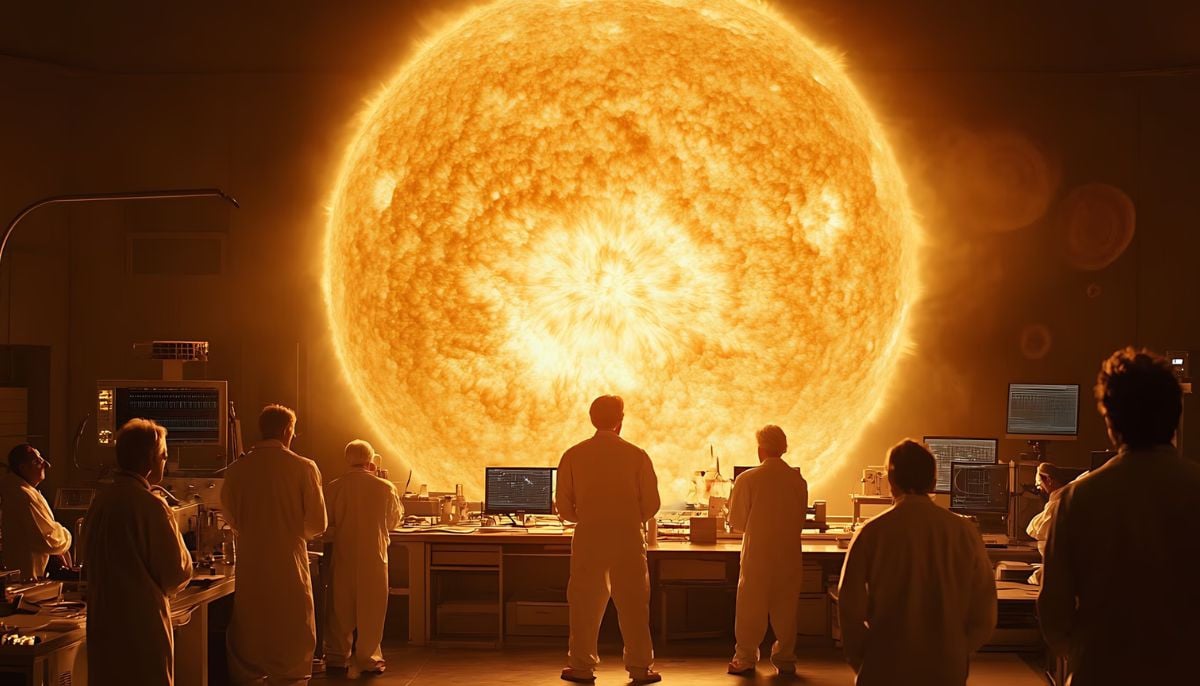 Shanghai Fusion ‘Artificial Sun’ achieves groundbreaking results with plasma control record
 -
 Polar vortex ‘exceptional’ disruption: Rare shift signals extreme February winter
 -
 Netherlands repatriates 3500-year-old Egyptian sculpture looted during Arab Spring
 -
 Archaeologists recreate 3,500-year-old Egyptian perfumes for modern museums
 -
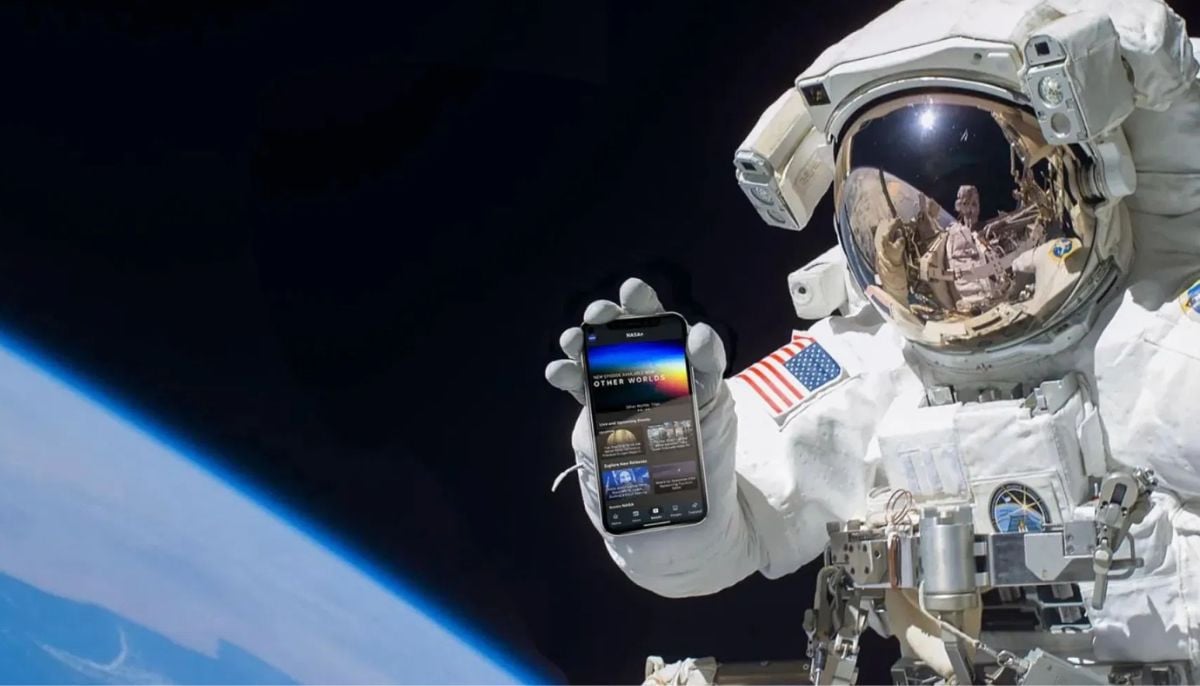 Smartphones in orbit? NASA’s Crew-12 and Artemis II missions to use latest mobile tech
 -
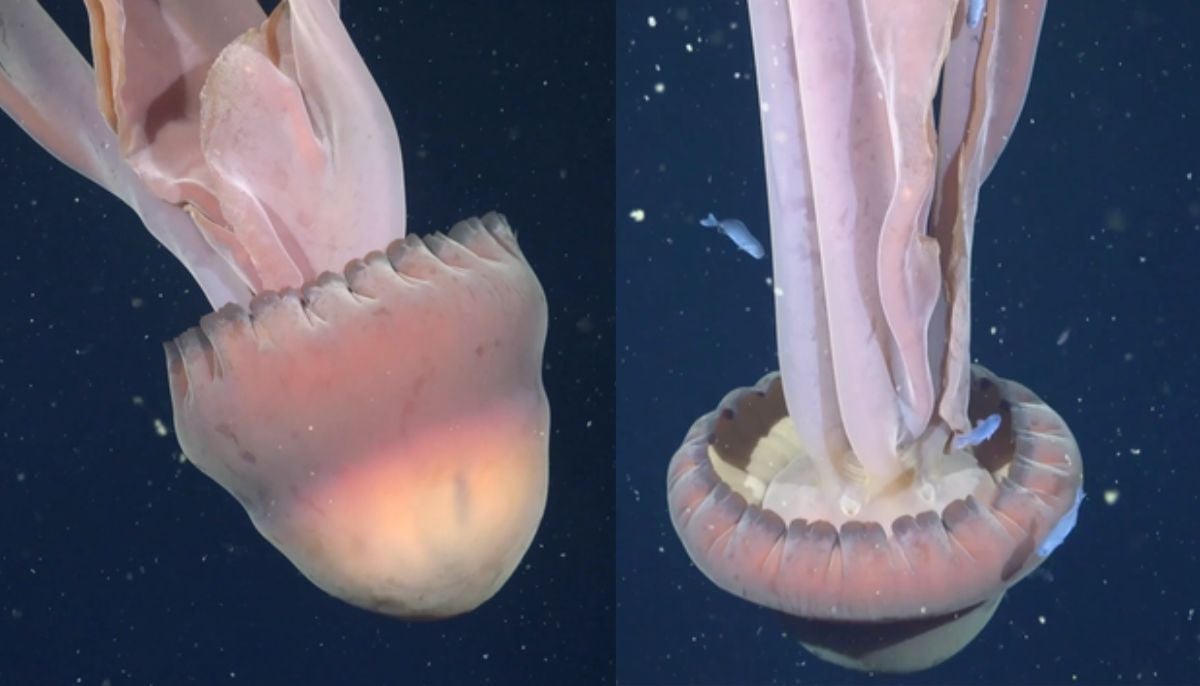 Rare deep-sea discovery: ‘School bus-size’ phantom jellyfish spotted in Argentina
 -
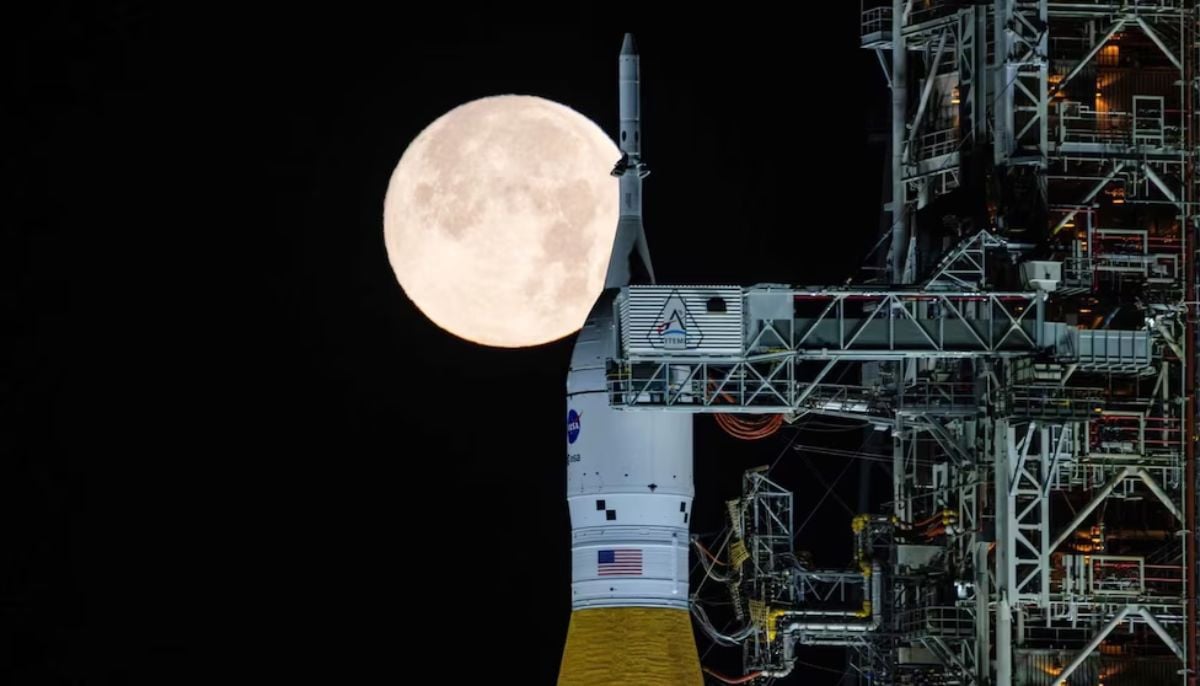 NASA eyes March moon mission launch following test run setbacks
 -
 February offers 8 must-see sky events including rare eclipse and planet parade