
NASA has signed an agreement with the Chinese Aeronautical Establishment (CAE) to cooperate on research that will help China's airports improve their management of air traffic, the U.S. space agency said late on Wednesday.
China is the world's fastest growing aviation market but passengers often have to cope with long flight delays. Its aviation authorities routinely name and shame airports for poor management, slapping them with penalties such as bans on new flights.
The memorandum of understanding will see the two agencies use data from Chinese airports to identify potential efficiencies in air traffic management, with a view to improve air transportation automation for U.S. and Chinese aviation operations in the country.
NASA said the agreement's details were discussed during NASA administrator Charles Bolden's visit in August, when he met with the CAE and the Civil Aviation Administration of China.
"China is expected to see a substantial increase in air travel in the near future," Bolden said.
"Our ability to work closely together will help to improve predictability of ground delays so air carriers can better plan departures to increase efficiencies. That will have a positive impact on U.S. carriers operating in China and the global aviation community."
In July, the official news agency Xinhua said China plans to invest as much as 50 billion yuan ($7.49 billion)to develop its air traffic management system.


-
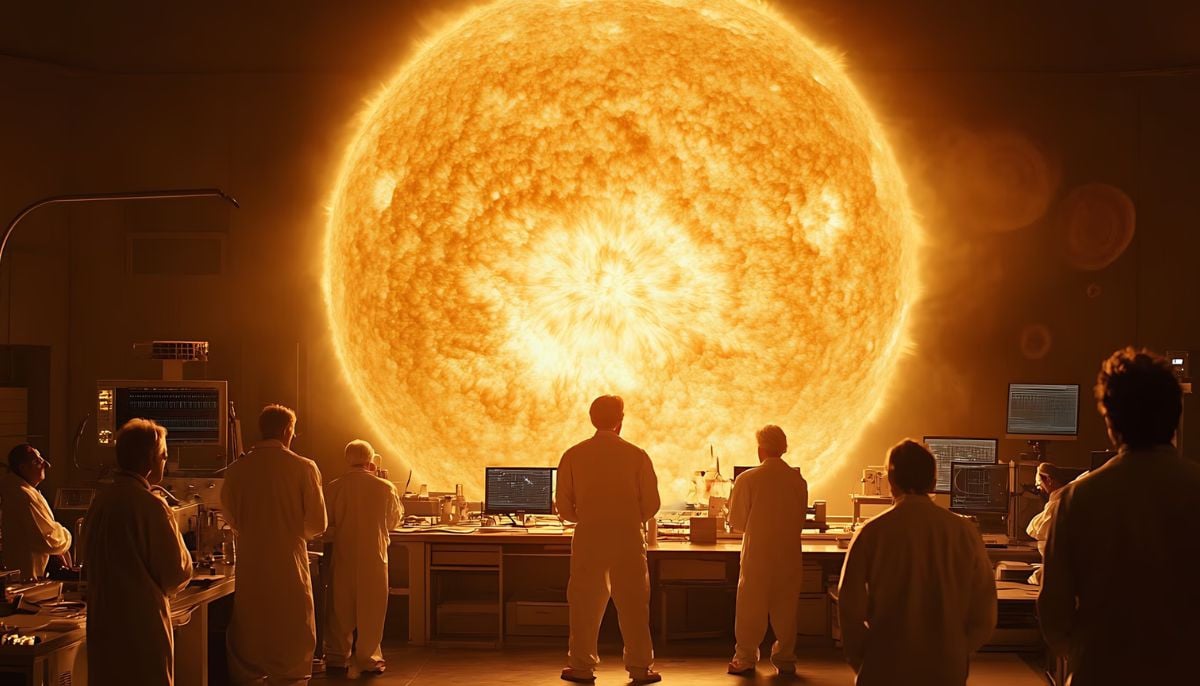 Shanghai Fusion ‘Artificial Sun’ achieves groundbreaking results with plasma control record
 -
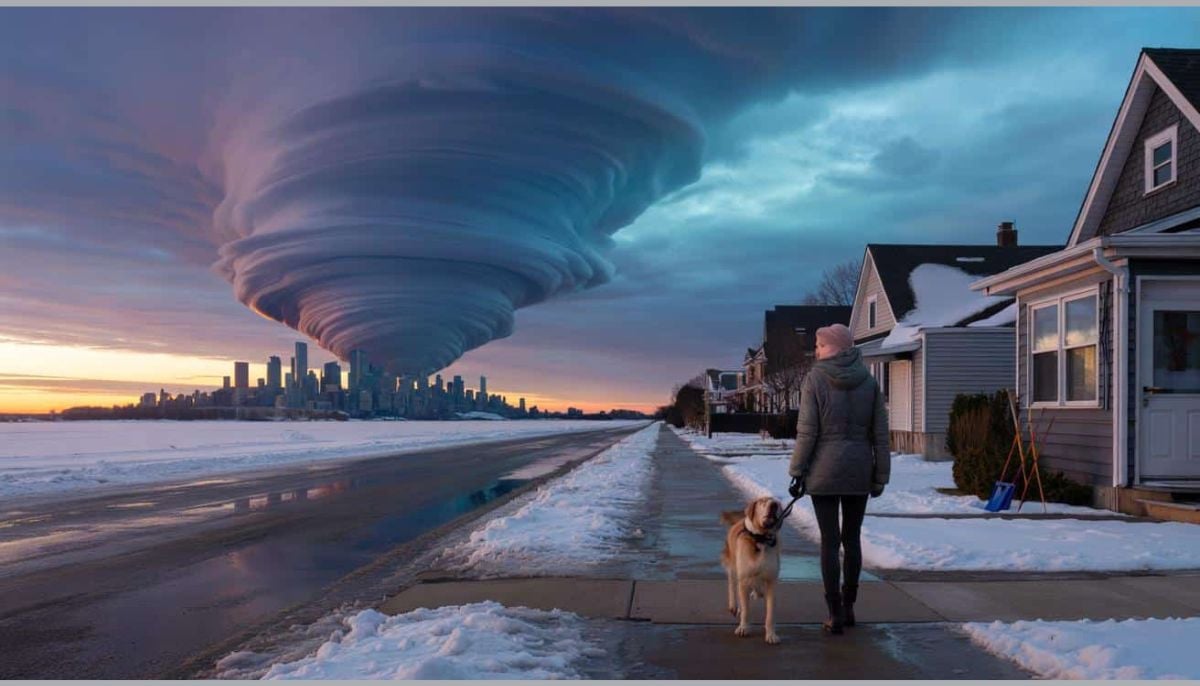 Polar vortex ‘exceptional’ disruption: Rare shift signals extreme February winter
 -
 Netherlands repatriates 3500-year-old Egyptian sculpture looted during Arab Spring
 -
 Archaeologists recreate 3,500-year-old Egyptian perfumes for modern museums
 -
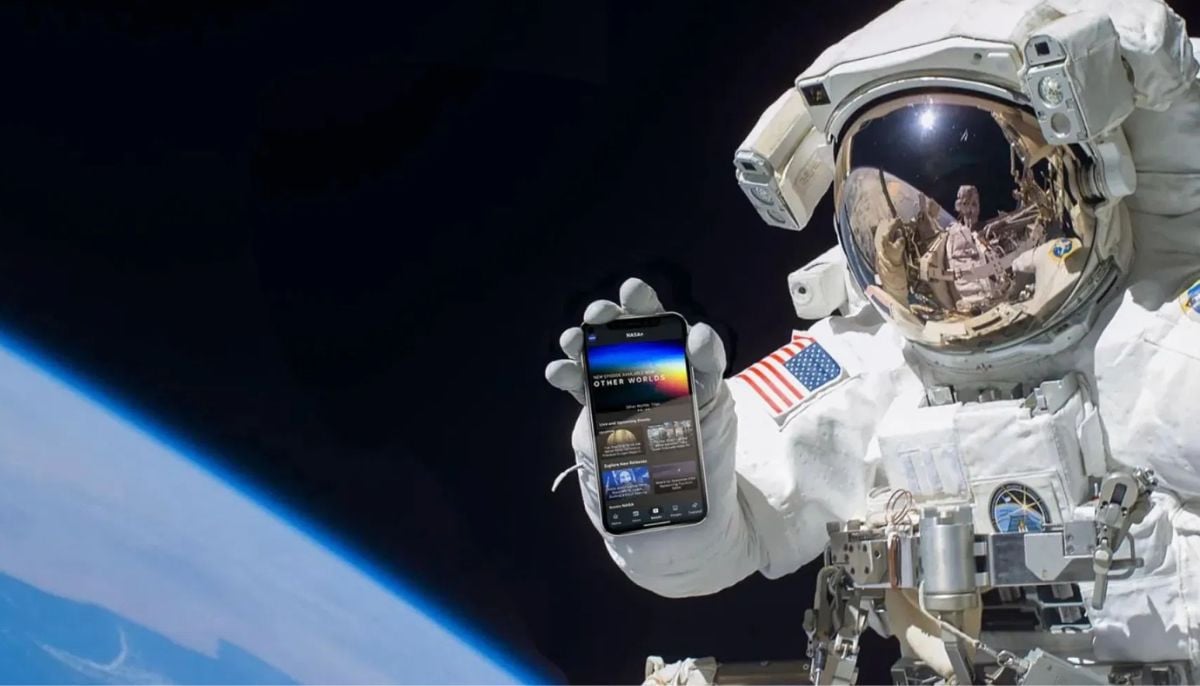 Smartphones in orbit? NASA’s Crew-12 and Artemis II missions to use latest mobile tech
 -
 Rare deep-sea discovery: ‘School bus-size’ phantom jellyfish spotted in Argentina
 -
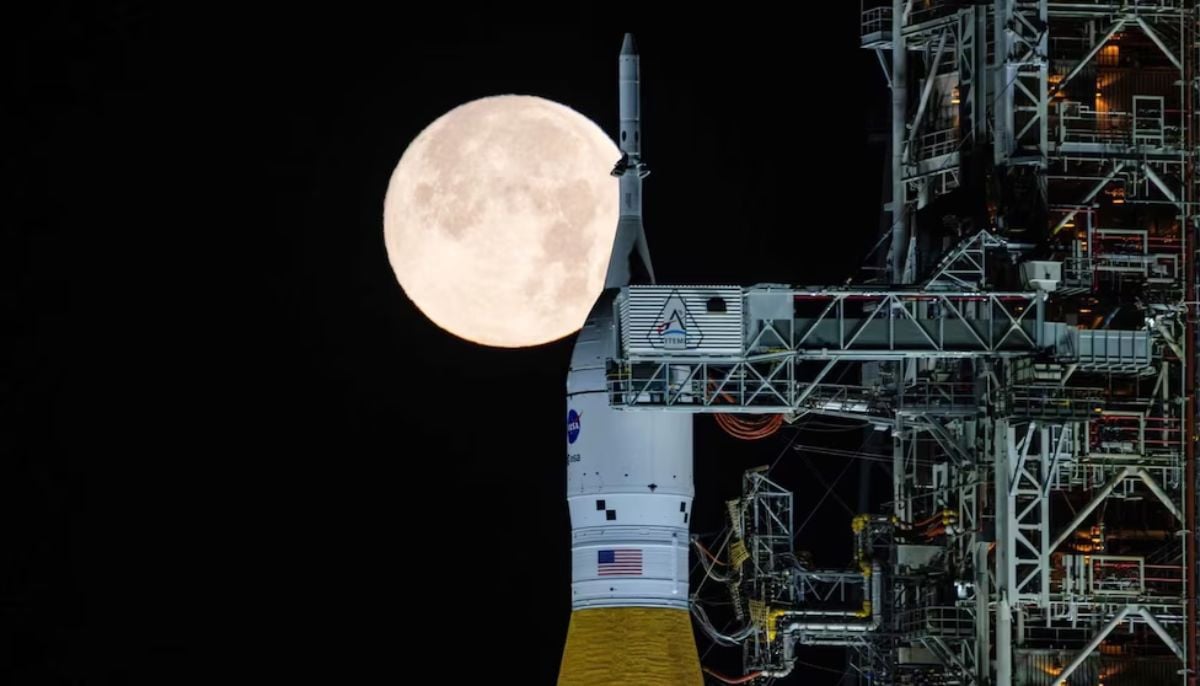 NASA eyes March moon mission launch following test run setbacks
 -
 February offers 8 must-see sky events including rare eclipse and planet parade