US FCC to ban Chinese telecom firms from direct access to American phone numbers
The United States Federal regulators target state-backed carriers in a sweeping national security crackdown designed to block espionage and curb illegal robocalls

The United States is moving to block major Chinese state-owned telecommunications carriers from gaining direct access to U.S. phone numbers and IP-enabled networks.
The US Federal Communications Commission ( FCC) said on Thursday October 29, that it will vote on November 19 on a proposal to ban China Mobile, China Telecom, and China Unicom, and other IP-enabled service providers from direct access.
FCC leadership announced plans for a formal vote on the measure, which is designed to fortify national security defenses and curb illegal scam-related robocalls originating or routing through vulnerable channels.
This regulatory escalation follows profound Washington anxieties regarding state-backed cyberespionage campaigns—such as the "Salt Typhoon" infiltrations that targeted U.S. broadband and telecom infrastructure.
Alongside stripping direct numbering authorizations, the broader federal crackdown targets supply-chain risks, including barring Chinese testing laboratories from certifying U.S. electronics.
The agency added that it would ban all Chinese labs from testing US electronics in December 2028 and may also revoke direct number authorizations for Chinese companies that it deems to pose national security risks.
According to Reuters, concerns about the potential for spying and other harms to arise from Chinese access to US telecom data and infrastructure have grown in recent years.
Other measures under consideration include barring them from connecting to US networks and from operating their data centers in the US.


-
 US Defense Secretary Pete Hegseth restricts military ties with Canada in classified: report
-
 Chapo Isidro arrest: Violence grips Sinaloa as security forces deploy to restore order
-
 South Africa’s first female deputy president and former UN women chief, dies at 71
-
 FBI investigates suspected hack of critical law enforcement database
-
 Austrian foreign ministry confirms website cyberattack, staff contact details exposed
-
 Trump says only older US chips should go to China amid broader trade talks
-
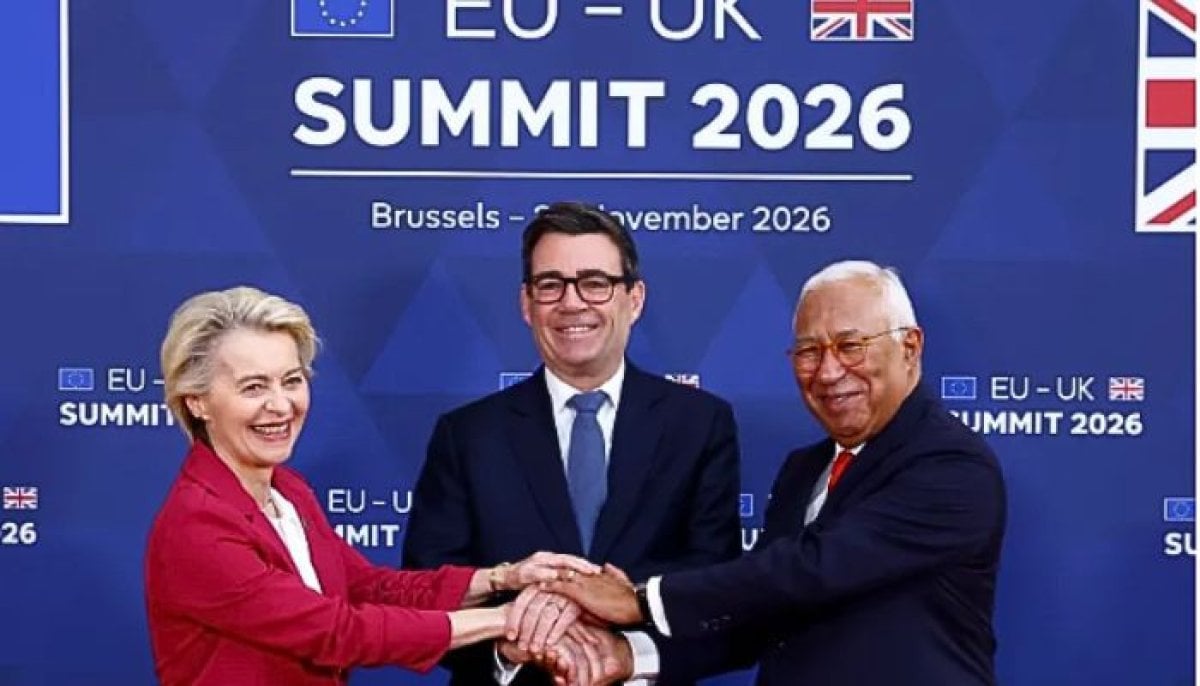 EU–UK Summit: Post-Brexit trade, carbon and youth mobility reset deals explained
-
 Kushner says Russia open to NATO-like security pact for Ukraine
-
 Mystery stomach illness hits nearly 150 aboard Princess Cruises ship from Florida
-
Trump adviser Peter Navarro accuses Canada of ‘dishonesty’ as trade negotiations continue
-
House Democrats propose crackdown on alleged fraud on platforms like Kalshi and Polymarket
-
Myanmar challenges ICJ’s landmark Rohingya genocide ruling after 7-year legal battle