Telegram call flaw hit Android versions from 2022 to 2026
NebuSec says answering call was enough to run code on Telegram for Android versions 8.6.2 to 12.10.3
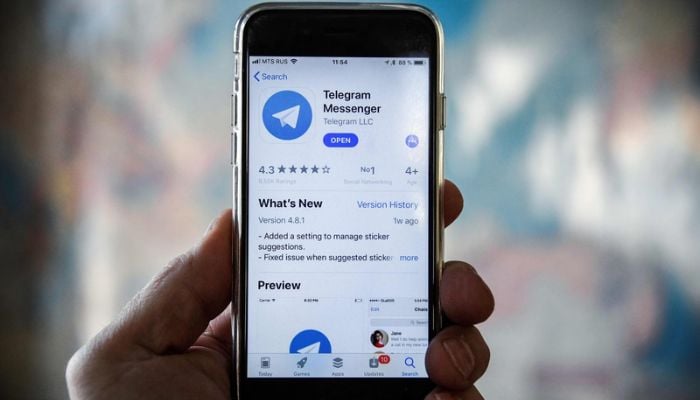
Answering a Telegram call was enough to hand an attacker control of your Android phone, according to security startup NebuSec. The attacker needed only an ordinary Telegram account. NebuSec disclosed the flaw on October 29.
NebuSec's video shows two phones, one marked as the attacker and one as the victim. The victim accepts a call, and about half a minute later the phone switches to its home screen and a "HACKED BY NEBUSEC" logo appears. The video doesn't show which Telegram or Android version the victim was running.
How the Telegram call bug worked?
Short messages are exchanged between the applications during a call to initiate it and provide information about the current state. One of those is called MediaState, and it gives information about whether the microphone is muted, whether the camera is enabled and how the video is rotated.
According to NebuSec, the code that processes MediaState did not take into account situations when some of those fields could be missing and read memory from the places where it was not supposed to. This vulnerability was found in Telegram’s source code published by Hacker News for version 12.10.3.
Which Telegram versions are affected?
The flaw can be triggered in every version from 8.6.2 to 12.10.3, released between March 2022 and September 2026. Telegram fixed it in version 12.10.4 in late September.
Check your version at the bottom of Settings, and upgrade if you have something less than 12.10.4. NebuSec reported the vulnerability privately in conversations with ARM64 devices. At the time of writing, there is no information on whether the flaw is exploitable in the iOS application or the desktop clients or even group calls.
The researchers have not revealed anything on the attacks or what code the hackers were able to execute on a device. No CVE number is available, and NebuSec has not published any technical details, meaning the jump from the vulnerability to execution depends on the video and claims by the company.
According to NebuSec, the Code Security product using the GPT-5.4 model from OpenAI discovered the vulnerability.
In other news, the Zero Day Initiative disclosed a security flaw in rlottie, the library Telegram uses for rendering animated stickers. This is CVE-2026-111105. In the Android application, the developers replaced the Rottie library with another written in Rust between 12.8.1 and 12.10.0.


-
 NATO warns of security risks as AI transforms modern warfare
-
 Basketball Zero codes for November 2026 to get thrilling rewards
-
 Speed is vital' in global AI race, South Korea's Lee says
-
 WhatsApp rolls out cloud backup storage to Android and iPhone users
-
 GTA 6 players face PS5, Xbox suspensions for sharing explicit gameplay clips
-
 Fruit Battlegrounds codes for November 2026 to enjoy exciting free gems
-
 Jensen Huang's potential Nvidia comeback sparks debate amid ongoing controversy
-
 China has come forward to voice their concerns after FCC's telecom ban