Trump foreign policy hits voters in the pocketbook, threatening GOP majorities ahead of midterms
While international affairs rarely dominate midterm campaigns, voter backlash over tariffs and Middle East conflicts is testing Republican control of Congress
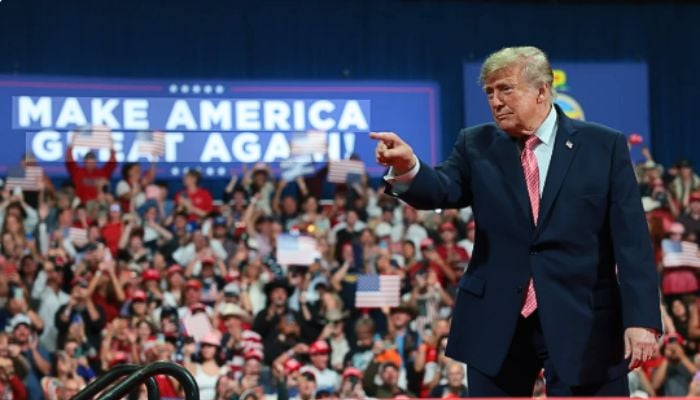
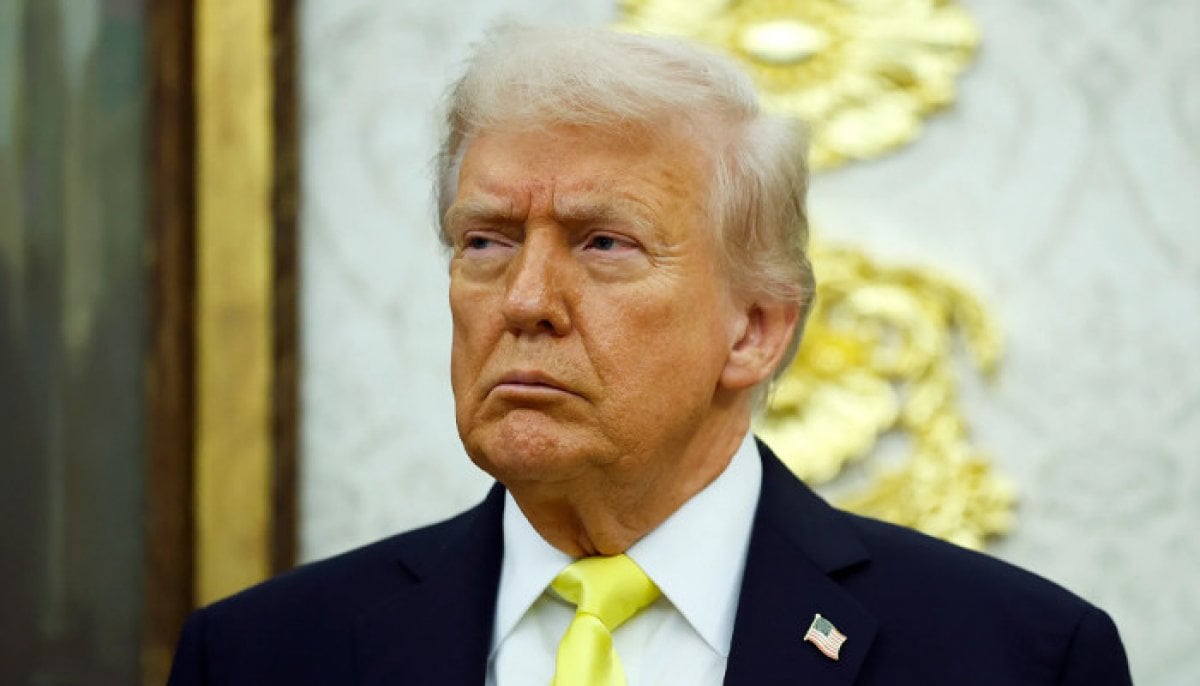
As United Nations midterm elections approach near, President Donald Trump’s international and economic strategies, particularly his sweeping tariffs and involvement in overseas conflicts, are increasingly affecting Americans’ pocketbooks, creating a significant political headwind for Republican candidates ahead of the November 3 midterm elections.
Foreign policy has traditionally played a secondary role in midterm elections, with voters more concerned about domestic issues.
But Trump’s policies are blurring that distinction as trade tensions and geopolitical disruptions contribute to concerns over rising living costs, including gasoline, fuel and grocery prices.
A Reuters/Ipsos poll earlier this month found that 78% of Americans blamed Trump’s policies for rising prices that are outpacing their earnings.
Other opinion polls suggest that voters are increasingly connecting their financial pressures to decisions made by the administration. Meanwhile, a majority of Americans believe the country’s trade penalties have gone too far, adding to concerns about the economic consequences of Trump’s tariff campaign.
With Trump’s approval ratings reaching historic lows, the growing public frustration presents a serious challenge for Republicans seeking to retain their congressional majorities.
Despite his public claims to the contrary, Trump’s recent policy decisions suggest that his administration recognises the political risks posed by rising fuel prices and broader economic uncertainty.
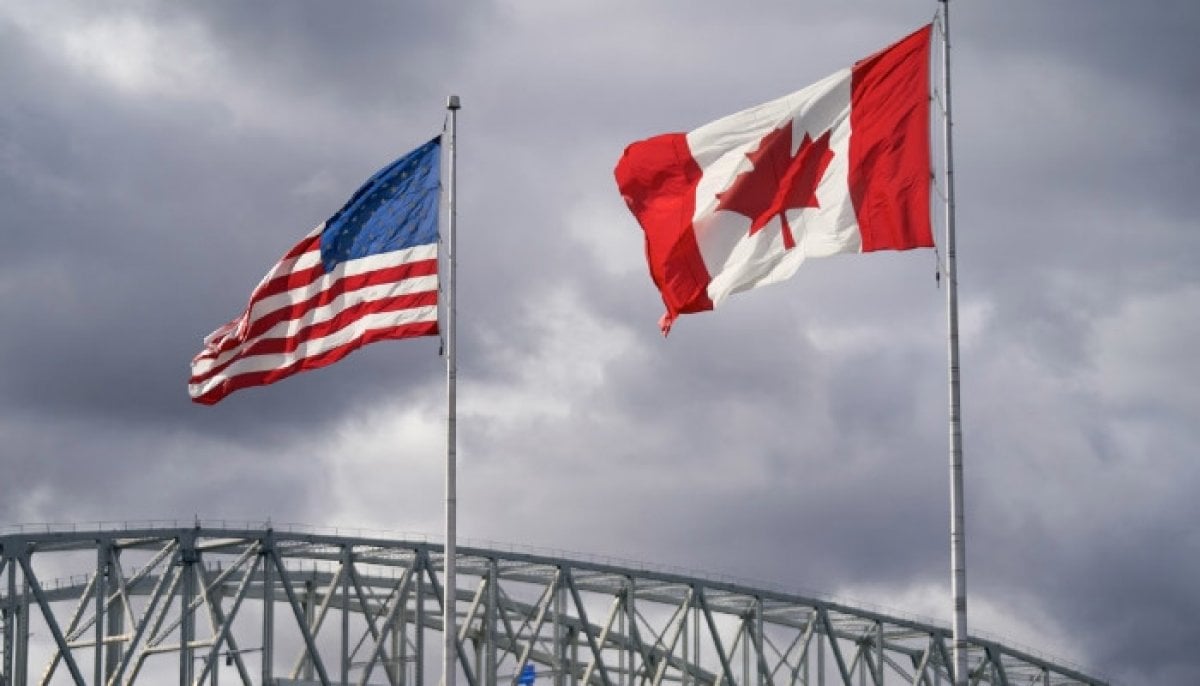
Some Republican candidates have consequently sought to distance themselves from Trump on issues ranging from the conflict in the Middle East to trade tensions with Canada and his pressure campaign against Ukraine.
One notable move, reported by Reuters, was Trump’s decision to lift sanctions on Russian diesel exports in an effort to ease fuel prices.
Critics, including some Republicans, argue that the move risks reinforcing perceptions that Washington is accommodating Moscow amid its war in Ukraine.
These developments have strained traditional alliances and disrupted established international norms, but their political consequences may be felt most immediately at home.
For Republican lawmakers defending their seats, the central challenge is that voters increasingly see foreign policy not as a distant geopolitical concern, but as a factor affecting their everyday expenses.
As Americans prepare to vote on November 3, that connection could prove decisive.
If economic discontent translates into votes against Republican candidates, Democrats could regain control of one or both chambers of Congress, leaving Trump to contend with a potentially opposition-led legislature for the remainder of his term


-
 King orders iron fist response to deadly church attack in Jordan
-
 China urges US to halt expansion of outbound investment curbs
-
 US announces ‘American-made’ seafood labeling initiative to support domestic fishermen
-
 Mona Lisa off limits as Paris museums shut amid protest fears
-
 Stand-up comic slams media double standard over Lindsay Clancy case
-
 France closes metro stations, tourist sites as 70,000 police prepare for mass protests
-
 SpaceX restores high-speed Starlink connections above 400 km/h in Ukraine
-
 Russia and Ukraine agree to ceasefire, plan November peace talks: What we know so far
-
 Donald Trump lashes out on 'horrible' reporter, defends viral campaign ad
-
Kim Jong Un’s China visit puts North Korea-China ties in focus
-
Trump announces new 50 percent tariffs on Canadian goods as Maine Senate race heats up
-
Barack Obama joins Sherrod Brown and Abdul El-Sayed in crucial Senate election battles