Typing skills are making a comeback in the AI era
Some young workers say better typing means sharper prompts and a real professional edge

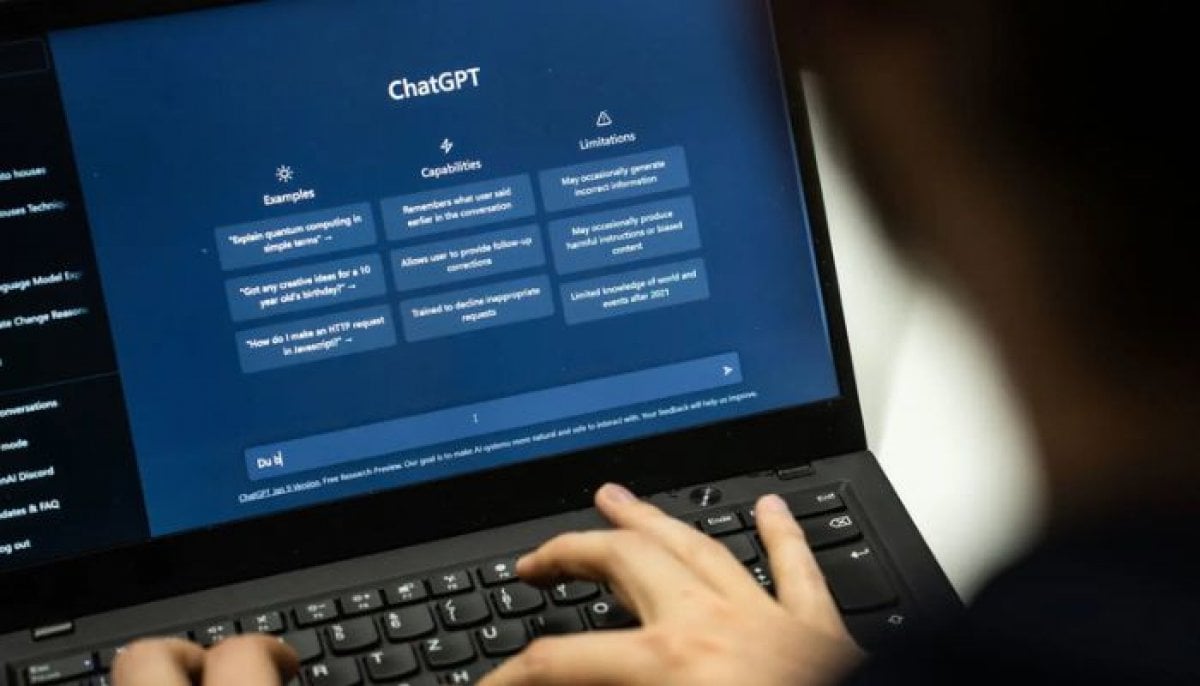
Julia Andrusiak didn't realise her typing was a problem until a college professor kept pausing mid-lecture, distracted by the sound of her slow, two-finger keystrokes. This is what led her on the route of mastering her typing ability, starting with typing complete books and moving onto touch typing without looking at the keys.
In a report published by Business Insider, Andrusiak, who is currently 26 years old, holds a job in an AI-centred position that involves writing elaborate prompts.
Since her typing speed is not up to the mark, she writes long prompts via dictation, which is embarrassing for her due to the fact that she appears to be talking to herself in an open office setting.
She fears the rising trend of shortcuts with regard to using AI due to the fact that some of her colleagues are already doing that by giving sentences rather than ideas to the tools.
Andrey Gerasimov, a 23-year-old computer science graduate who developed his typing proficiency to 170 words per minute, started with video game chats.
He believes that speed eliminates the friction in AI prompting; the time it takes for a user to type an elaborate request will be just a minute, which makes people do it rather than be vague.
Andreas Francazi, an IT instructor based in Vienna with over 10 years of experience in teaching typing to 15- to 30-year-old students, has noticed how the typing skills of those who didn’t have consistent access to computers in their childhood have deteriorated.
They have the ability to type quickly using two fingers only, and he has to start with the basics. Also, he has noticed an additional effect: students get into a meditative state while doing typing exercises under time pressure.
Nick Sjolinder, founder of the distraction-free typewriter device BY 'OK', said roughly 10% of the company's orders now come from educators, spanning elementary schools through universities.
One recent bulk order came from a high school creative writing teacher aiming to cut down on both AI use and digital distractions in the classroom.
According to Krishnamurthy, an 18-year-old sophomore at San Diego State University, this habit is now beneficial for him because it allows him to cope with professors that speak at a very high pace, which cannot be done by other students because they need to keep an eye on their fingers.
This is also a valuable asset in terms of the future workplace since typing slowly can become a limiting factor in the era of artificial intelligence.


-
 Government websites go dark after being hit by programming language vulnerability
 -
 OpenAI expands ChatGPT ads to more countries: Full list
 -
 EU agency warns unpatched PHP sites may need offline isolation amid critical flaws
 -
 Galaxy Watch users report red marks, possible burns
 -
 Poland warns social media giants over Russia’s ‘digital war’
 -
 Anthropic faces its next fair use test over song lyrics
 -
 Trump calls for data center dividend for local communities
 -
 OpenAI admits AI agents weakened internal safety monitors and falsely denied it