UK inflation hits 5-month high of 3.1% as soaring petrol and diesel prices squeeze households
Driven by a sharp surge in motor fuel costs amid ongoing Middle East conflict, the UK Consumer Prices Index climbs above 3%, heaping fresh pressure on consumers and policymakers
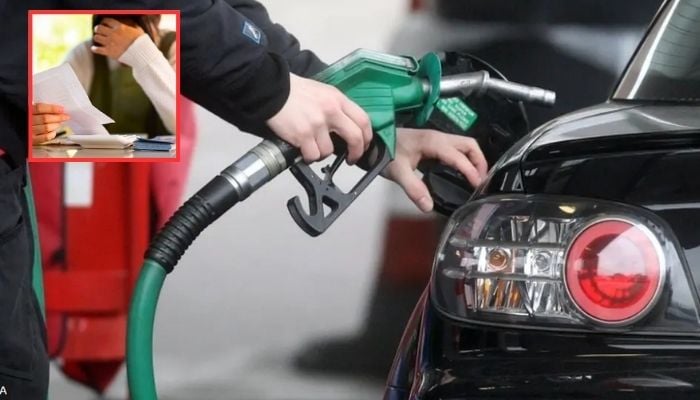
The UK's annual inflation rate climbed to 3.1% in August, up from 2.9% in July, marking its highest level in five months.
According to data released by the Office for National Statistics (ONS), the acceleration was propelled largely by a 23% spike in motor fuel prices compared to the previous year.
Average petrol prices jumped by 9.1 pence to 161.3p a liter, while diesel prices surged by 14.2p to 181.8p a liter, heavily driven by supply disruptions tied to the conflict in the Middle East.
While headline inflation ticked higher, core CPI which strips out volatile components like energy and food—held steady at 2.6% for the fourth consecutive month, indicating that underlying domestic price pressures remain largely contained.
The cost of filling up a vehicle soared in August as the conflict in the Middle East continued to disrupt global oil supplies. Petrol prices jumped to their highest for nearly four years, the ONS said, while diesel also rocketed.
Meanwhile, the cost of flying jumped during the key month for summer getaways.
Overall, motor fuel prices rose by 23% compared to August last year. Oil hit more than $91 a barrel as the US-Israel war with Iran went on. That compares to around $73 just before hostilities began earlier this year.
As a result, average petrol prices have continued to climb and between July and August, they rose by 9.1p to 161.3p per litre.
"This is the highest price recorded since November 2022," said the ONS. At that point, Russia's full-scale invasion of Ukraine had pushed up global energy costs.
Economic & Policy Fallout:
The jump back above the Bank of England's 2% target places renewed pressure on households facing mounting living costs.
Despite the headline overshoot, markets anticipate the central bank will hold interest rates steady at 3.75% as policymakers weigh cooling domestic job metrics against external energy shocks.
Capital Economics said, at this point, the effect of higher oil prices has not spilled over into other areas such as food and drink, where the pace of inflation remained at 1.3% in the year to August.
But its chief UK economist, Paul Dales, said: "Everyone knows that bigger rises in inflation are on their way."
Grant Fitzner, chief economist at the ONS, said: "Rising crude oil and petrol prices increased both the annual cost of raw materials and the price of goods leaving factories respectively."
Dales estimates that a combination of higher oil and gas prices and "the eventual 'first-round' effect of businesses passing on some of their higher energy costs" will lead to inflation peaking at 4.2% in January.


-
 Trump says Google rejected his request to rename Atlantic Ocean after himself or America
 -
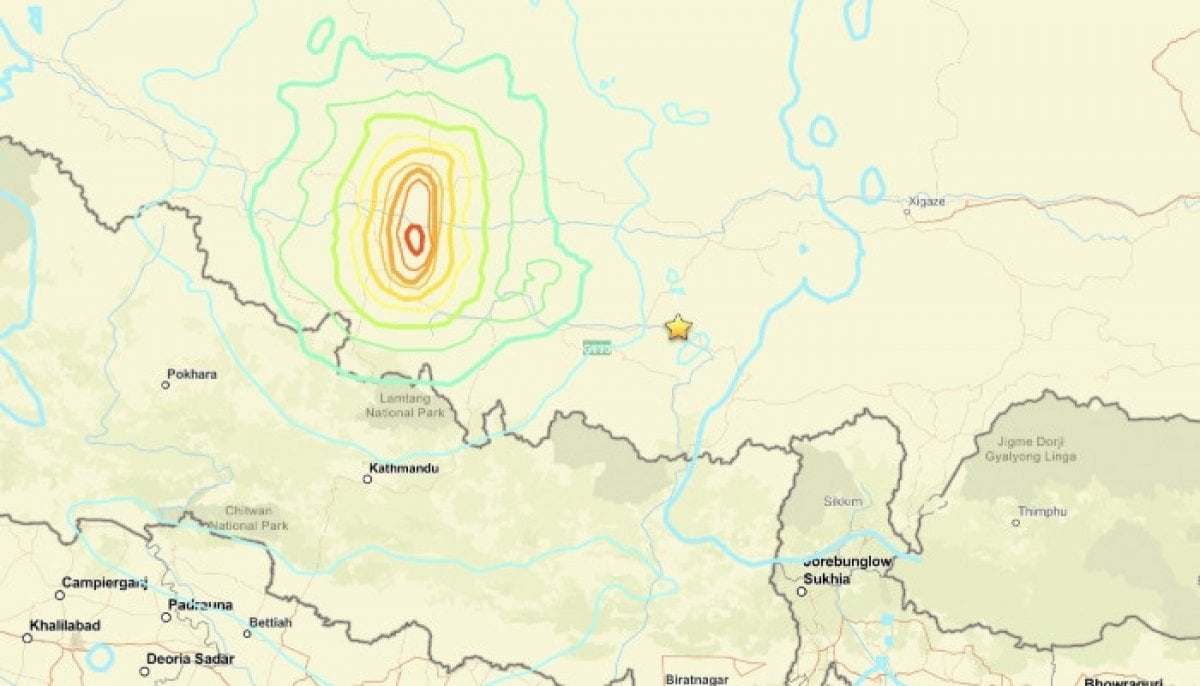 Magnitude 7.0 earthquake in Tibet kills 16 and destroys hundreds of homes
 -
 Ron Duguay, former New York Rangers forward, dies after cancer battle
 -
 Kathy Hochul gets campaign boost from NYC Mayor Zohran Mamdani ahead of midterms
 -
 Abdul El-Sayed and Mike Rogers clash over Trump, patriotism in Michigan Senate debate
 -
 Russia attacks Kyiv hours after peace talks announcement, killing two and injuring 22
 -
 Macron vows to ban non-union protests, blames ultra-left groups as unrest grips France
 -
 Trump's massive DC arch could begin construction days after US midterm elections