Is Trump's $5,000 election pledge legal? new announcement sparks debate ahead of midterms
President Donald Trump has pledged a “Trump dividend” plan aimed at paying every US adult citizen $5,000 if the Republicans win the midterm elections
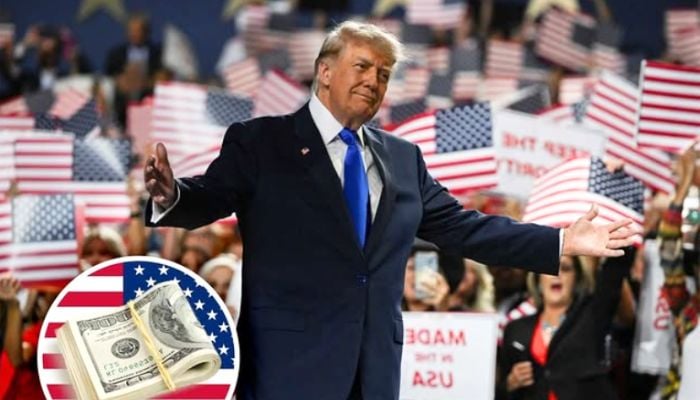
Following the midterm elections, U.S. President Donald Trump caught the heat of the moment and announced a major deal for Americans.
President Donald Trump’s proposal to issue a $5,000 "Trump dividend" to every American adult, contingent on Republicans retaining control of the House and Senate in the midterm elections, is widely considered legal as a campaign promise, though it faces steep structural, legislative, and theoretical hurdles.
Legal experts and criminal defense attorneys generally distinguish between illegal vote-buying and legal political speech by treating broad policy proposals, tax cuts, and economic relief packages tied to electoral outcomes as routine parts of American politics.
Promising a benefit if a specific party wins control of Congress is viewed legally as a standard campaign pledge or policy goal rather than a direct, illegal bribe.
Federal laws prohibiting vote-buying target payments made directly to an individual voter to induce them to vote a certain way at the ballot box, whereas Trump’s proposal is framed as a nationwide economic dividend distributed broadly to citizens based on a collective political outcome.
While legal to propose on a campaign stage, turning the pledge into reality faces massive institutional barriers because the executive branch cannot unilaterally distribute trillions of dollars.
Any such payout would require an act of Congress to authorize the spending, meaning it would face heavy resistance from fiscal conservatives worried about the national debt and inflation.
Furthermore, critics and several Democratic lawmakers have argued that floating massive taxpayer-funded cash payouts to sway voters crosses ethical boundaries, likening it to trying to buy an election.
Ultimately, while critics denounce the pledge as political bribery, legal authorities view it as protected political speech and a campaign promise that would require an uphill legislative battle to ever become law


-
 Ron Duguay, former New York Rangers forward, dies after cancer battle
 -
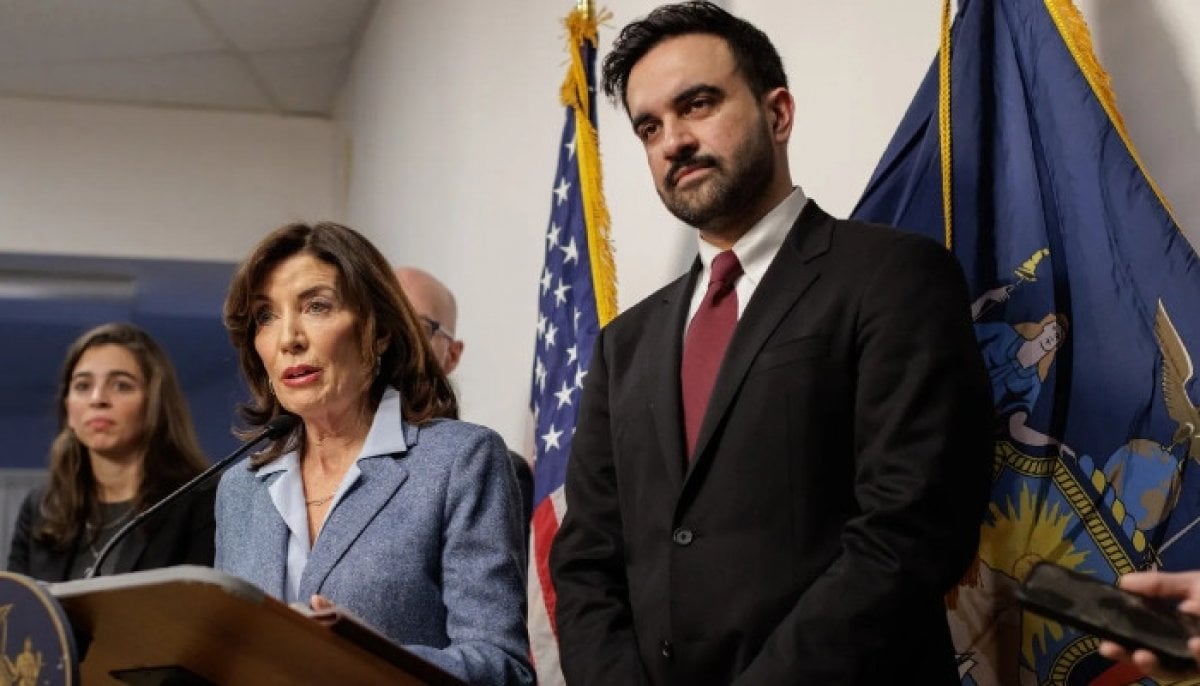 Kathy Hochul gets campaign boost from NYC Mayor Zohran Mamdani ahead of midterms
 -
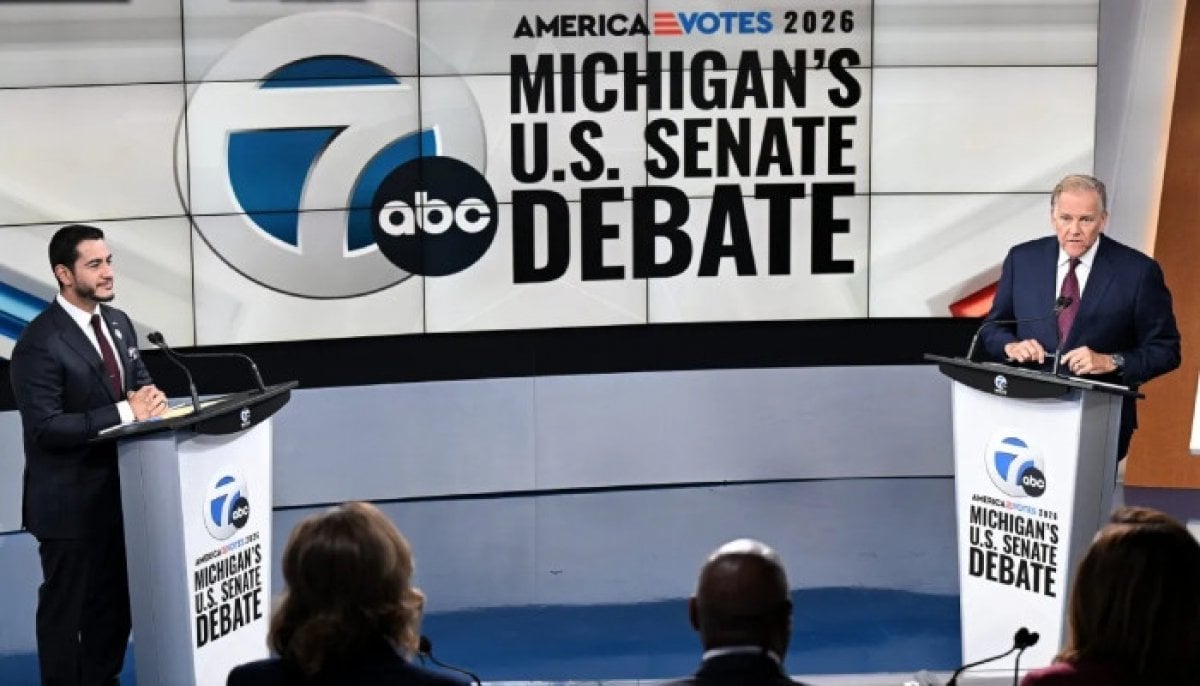 Abdul El-Sayed and Mike Rogers clash over Trump, patriotism in Michigan Senate debate
 -
 Russia attacks Kyiv hours after peace talks announcement, killing two and injuring 22
 -
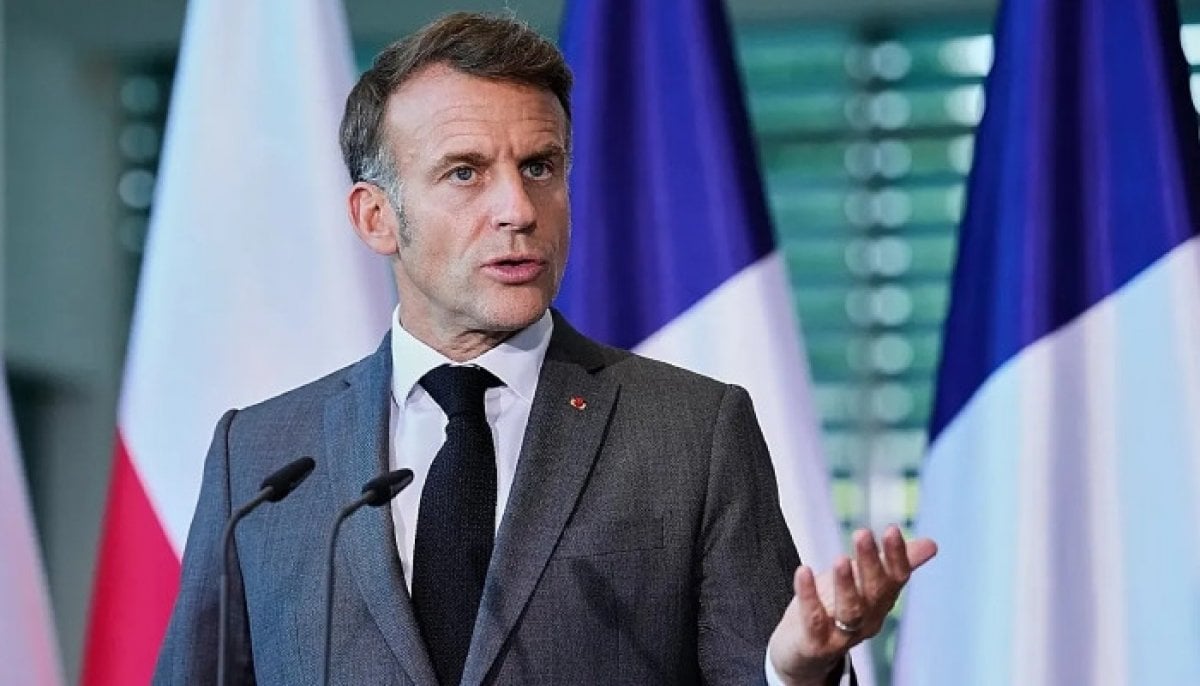 Macron vows to ban non-union protests, blames ultra-left groups as unrest grips France
 -
 Trump's massive DC arch could begin construction days after US midterm elections
 -
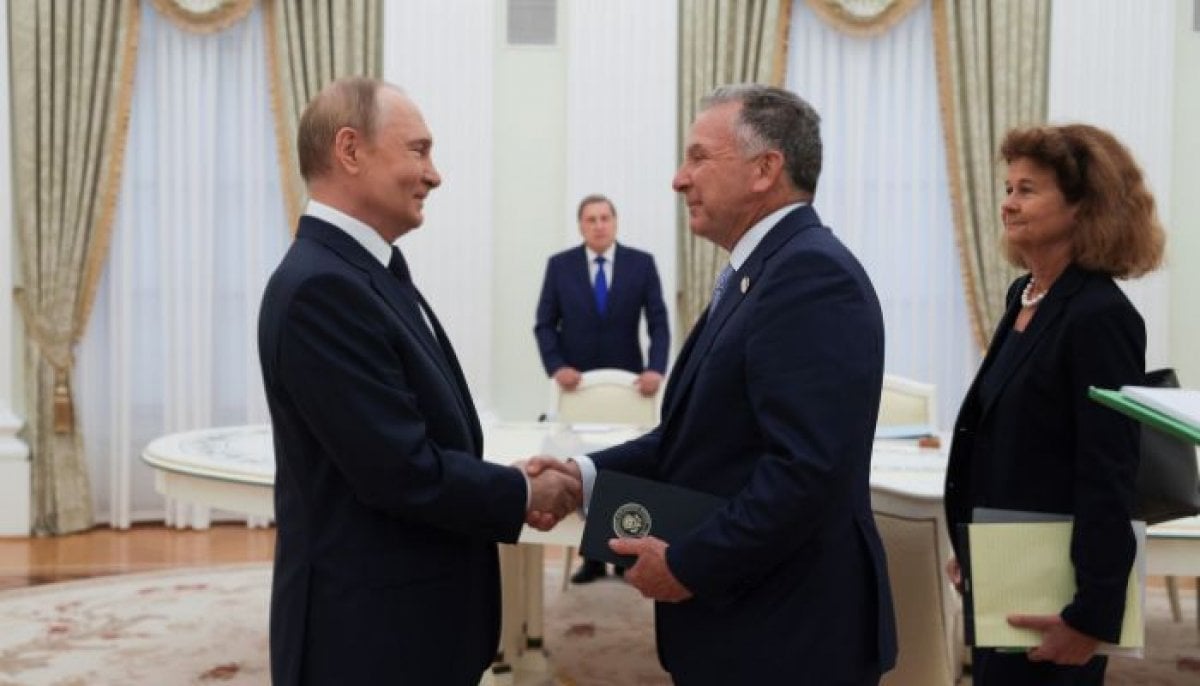 Putin-Witkoff meeting: 5 key takeaways on Ukraine peace talks
 -
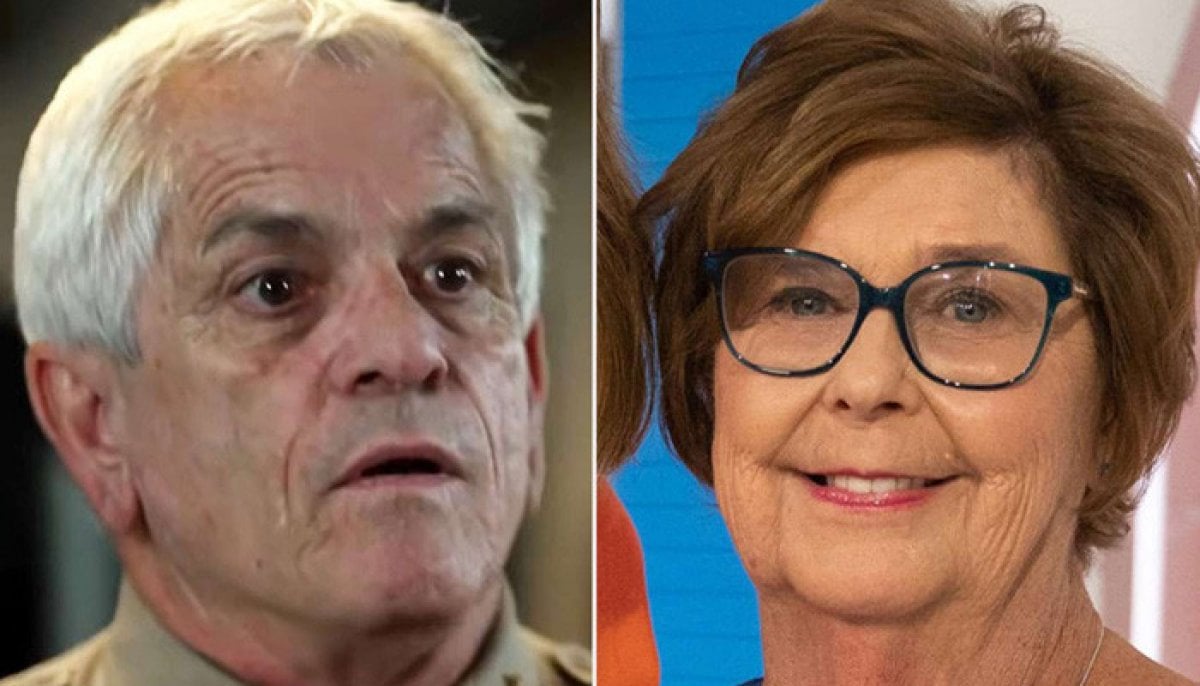 Sheriff Chris Nanos insists Nancy Guthrie was taken alive
-
 Yankees extend Brian Cashman's tenure after another disappointing playoff exit
 -
Poland's abortion ban faces new challenge as lawmakers vote to loosen restrictions
-
New York Democrat Brad Lander released after detention in West Bank
-
Ohio chemical tank explosion triggers mass evacuations and shelter-in-place orders in Toledo