Lindy Cameron makes history as first female FCDO permanent secretary
Lindy Cameron appointed as the new permanent under-secretary at the Foreign Office
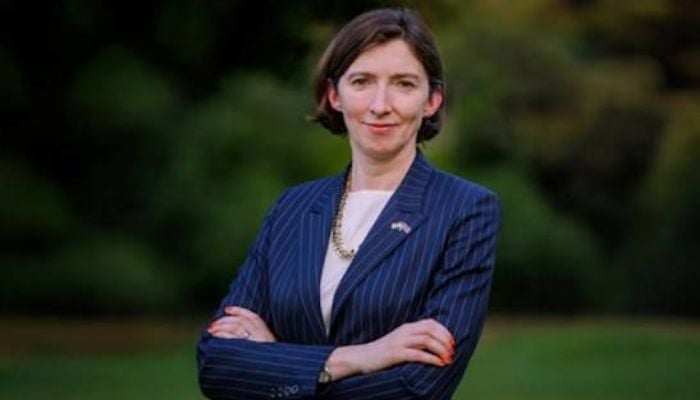
Britain is preparing a leadership transition at the Foreign Commonwealth and Development office following months of departmental restructuring.
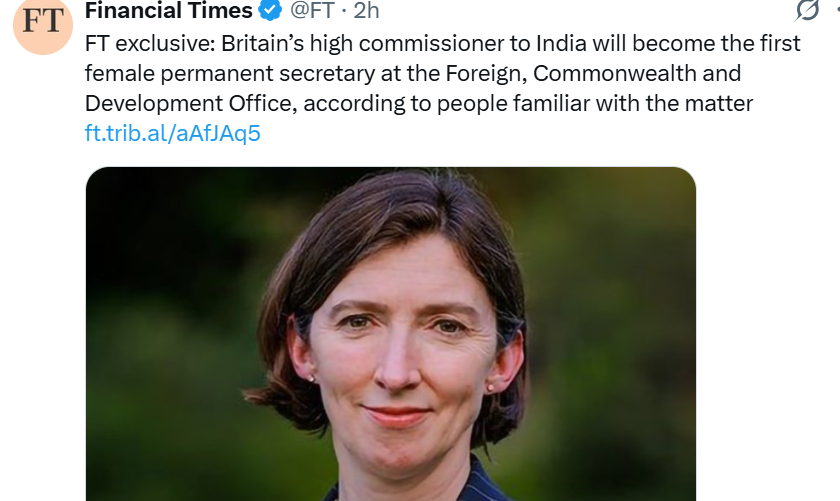
Lindy Cameron is destined to become the first female permanent secretary at the department as it struggles with restructuring, declining staff morale and aid reductions.
Cameron is scheduled to assume the role of top civil servant at the Foreign Office after beating out two other final candidates: Dame Karen Peirce, Britain’s former UK ambassador to the US, and Dame Barbara Woodward.
The appointment comes after a chaotic period for the FCDO amid growing controversy surrounding former UK ambassador to the US Lord Peter Mandelson and his links to the late convicted Jeffrey Epstein. Cameron has been campaigning for officials of drift since Robbins departure in April.
The department has ordered a workforce reduction of up to 25 percent under its FCDO 2030 restructuring plan. These pressures leave Cameron struggling to recover momentum at one of the UK’s most important departments. The company planned a strategic cutback of its roughly 2,300 strong workforce as part of a major internal overhaul.
Furthermore, the cuts follow a strategic evaluation after IG agreed to acquire US firm Underdog for up to $1.3 million, highlighting the company’s prime focus on rapid economic growth and expansion.


-
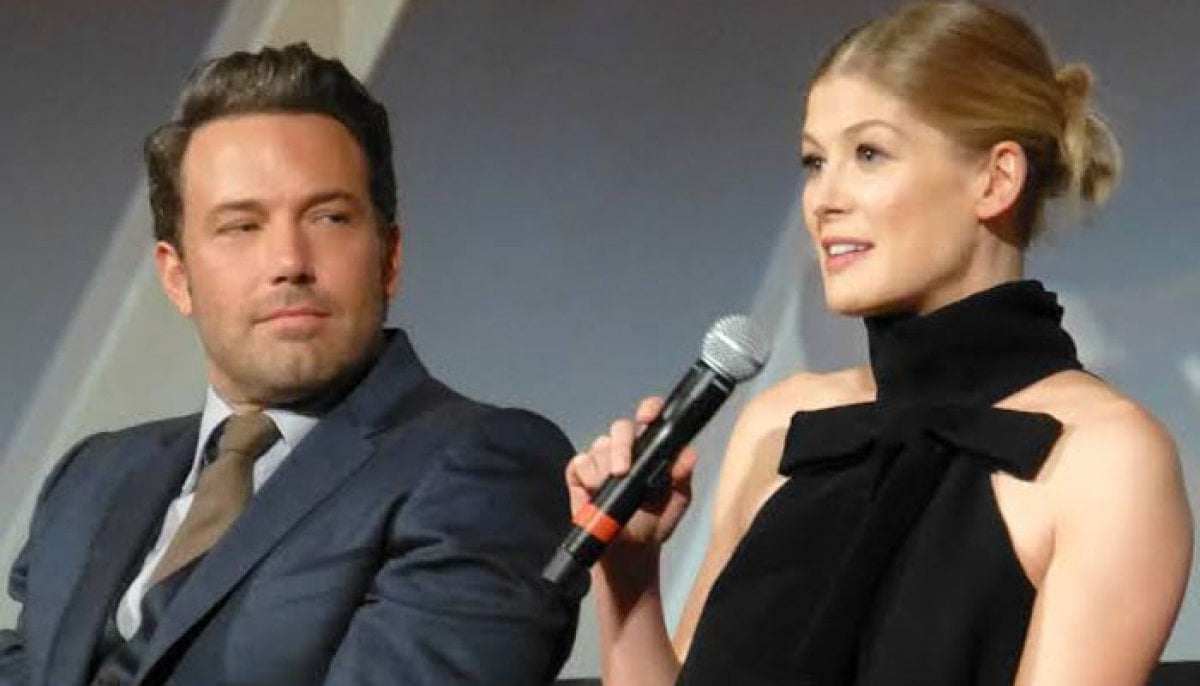 Ben Affleck does a Rosamund Pike impression looking back on 'Gone Girl'
 -
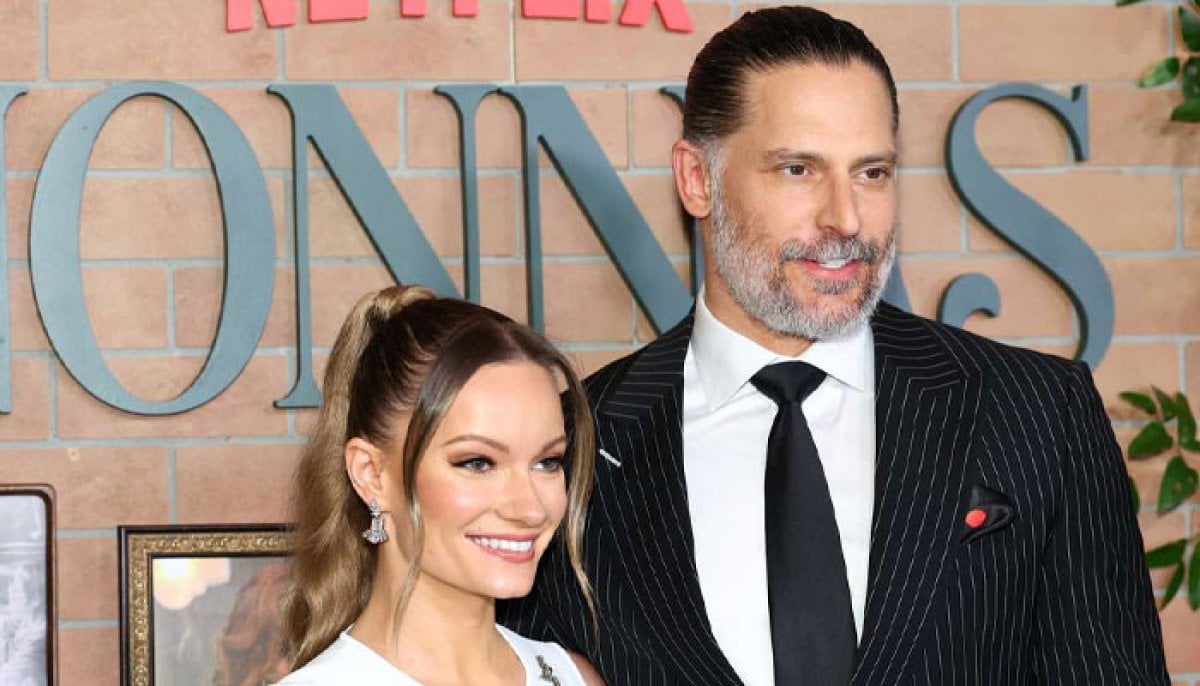 Caitlin O’Connor on wedding plans with Joe Manganiello as they celebrate three-year anniversary
 -
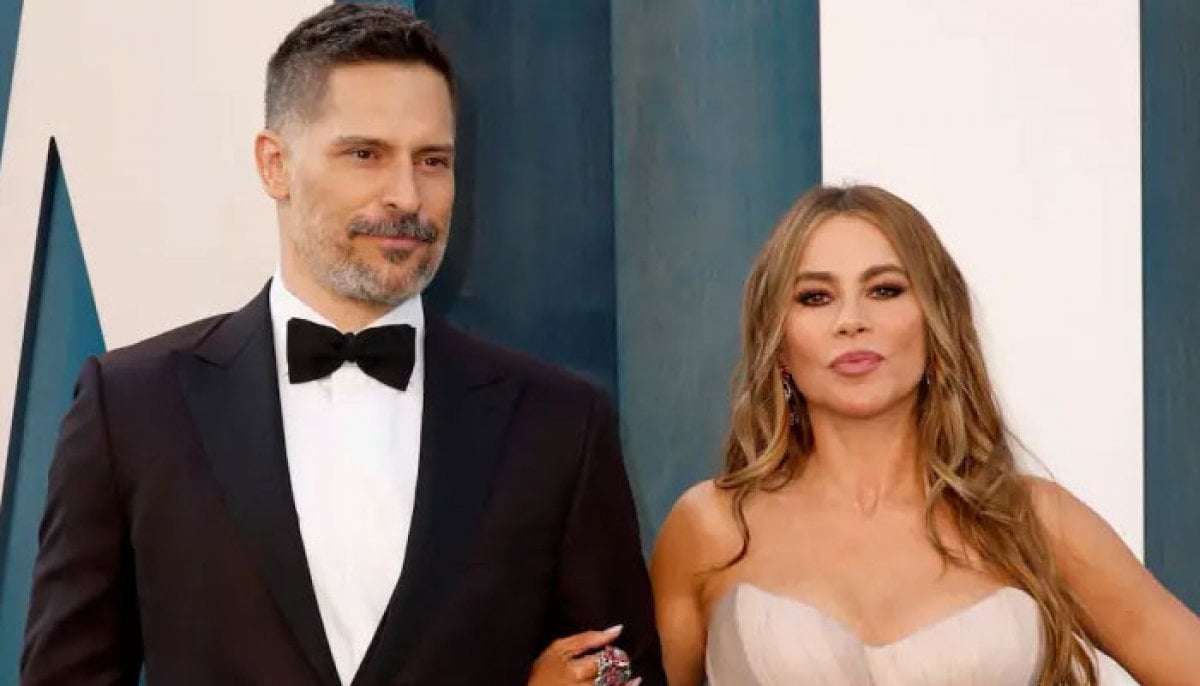 Joe Manganiello disputes Sofia Vergara’s account of why they split at length
 -
 Jenna Dewan’s fiance Steve Kazee responds to 'too much chemistry' concern with Val Chmerkovskiy
 -
 Netflix taps Jennifer Coolidge to return for 'The Watcher' Season 2
 -
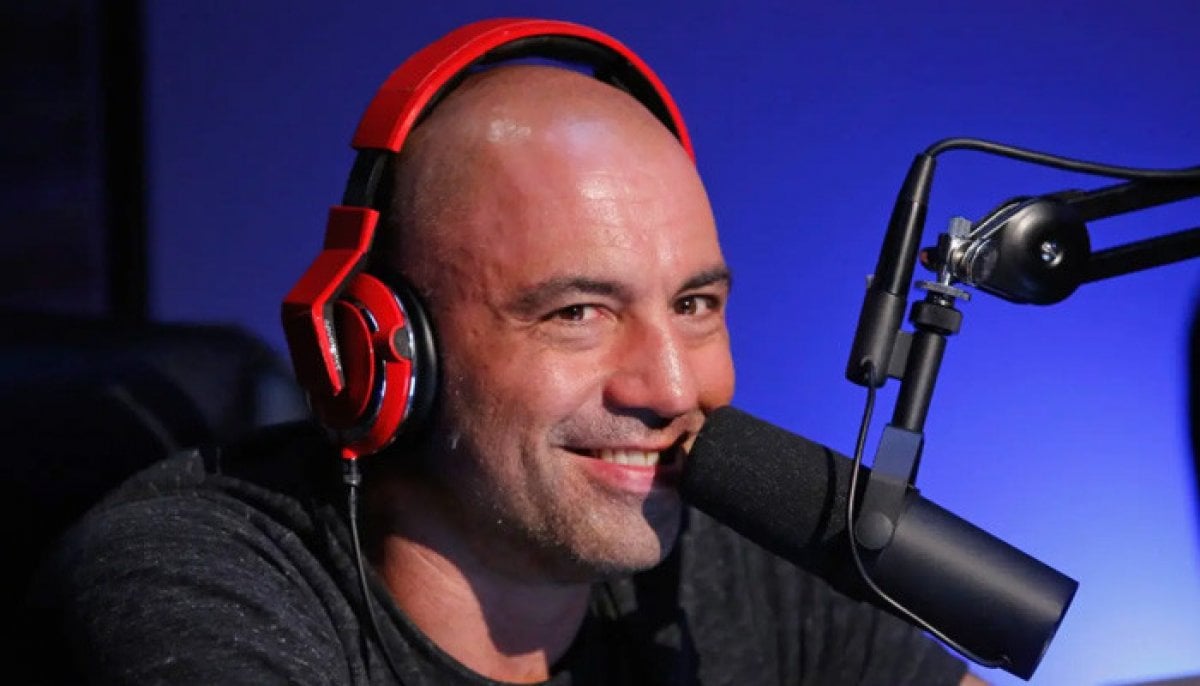 Spotify and Joe Rogan strike new deal with reported $250M earnout
 -
 Jen Hamilton feels ‘liberated’ after Brian Hamilton split
 -
 Kourtney Kardashian follows Jennifer Lawrence despite feud reports