US Treasury Chief Scott Bessent confronts high-stakes G20 clash over tariffs, sanctions, and bond volatility
Scott Bessent heads into a tense G20 meeting as trade tensions, sanctions and volatile bond markets put global economic stability under pressure
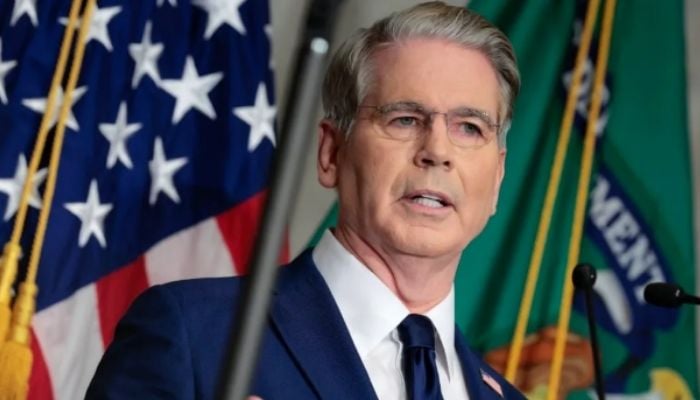
As U.S. Treasury Secretary Scott Bessent hosts G20 finance ministers and central bank governors in Asheville, North Carolina, he faces a complex and high-stakes test of international economic diplomacy.
Tasked with steering the U.S. G20 presidency toward a "back-to-basics" economic agenda, Bessent must navigate deep policy fractures with global counterparts over trade barriers, aggressive sanctions, and mounting domestic debt concerns.
"Secretary Bessent will want to put Iran front and center and talk about tightening sanctions on Iran, and many countries around the G20 table will want to talk about anything else," said Josh Lipsky, international economics chair at the Atlantic Council. "They'll want to talk about tariffs."
After the Supreme Court struck down President Donald Trump's broad global tariffs in February under a national emergencies law, his administration has been rebuilding the levies under different legal authorities.
All of the G20 countries and the European Union were among 60 economies hit in July with 10% or 12.5% U.S. tariffs for allegedly lax enforcement of forced labor bans.
Sixteen top U.S. trading partners, more than half of them G20 members are in line for more tariffs to counteract alleged excess industrial capacity under a separate trade probe.
A central flashpoint of the meetings is Washington's aggressive campaign to severely isolate Tehran economically.
Following recent Treasury actions targeting financial lifelines, Bessent has made direct appeals to G20 counterparts to strictly enforce compliance with secondary sanctions.
However, analysts note that while Washington wants the spotlight on tightening the screws on Iran, many international delegates are eager to pivot the conversation elsewhere.
Longstanding friction over U.S. trade policy including sweeping tariffs targeting competitors and key allies alike hangs heavily over the room.
European and Asian officials have pushed back against the fallout of U.S. protectionism, pointing to secondary market distortions like a surge of dumped Chinese exports hitting foreign shores.
Bessent has sought to refocus the G20 on core macroeconomic pillars, championing structural growth, addressing excessive global imbalances, and integrating digital asset frameworks.
Yet, international partners remain unsettled by the broader economic fallout from the prolonged Middle East conflict, surging energy costs, and lingering friction over U.S. fiscal policies.
Bessent is also confronting probing questions from global financial leaders regarding rising U.S. debt levels, elevated bond yields, and recent Treasury market interventions, testing his ability to project absolute confidence in American economic stewardship.
With geopolitical alignments strained and global growth forecasts facing headwinds, the Asheville summit serves as a crucial barometer for whether the U.S. can successfully rally major economies around its specific trade and security priorities or if deepening fractures will stall multilateral consensus.


-
 Trump calls for Ukraine to replace Zelensky as president
 -
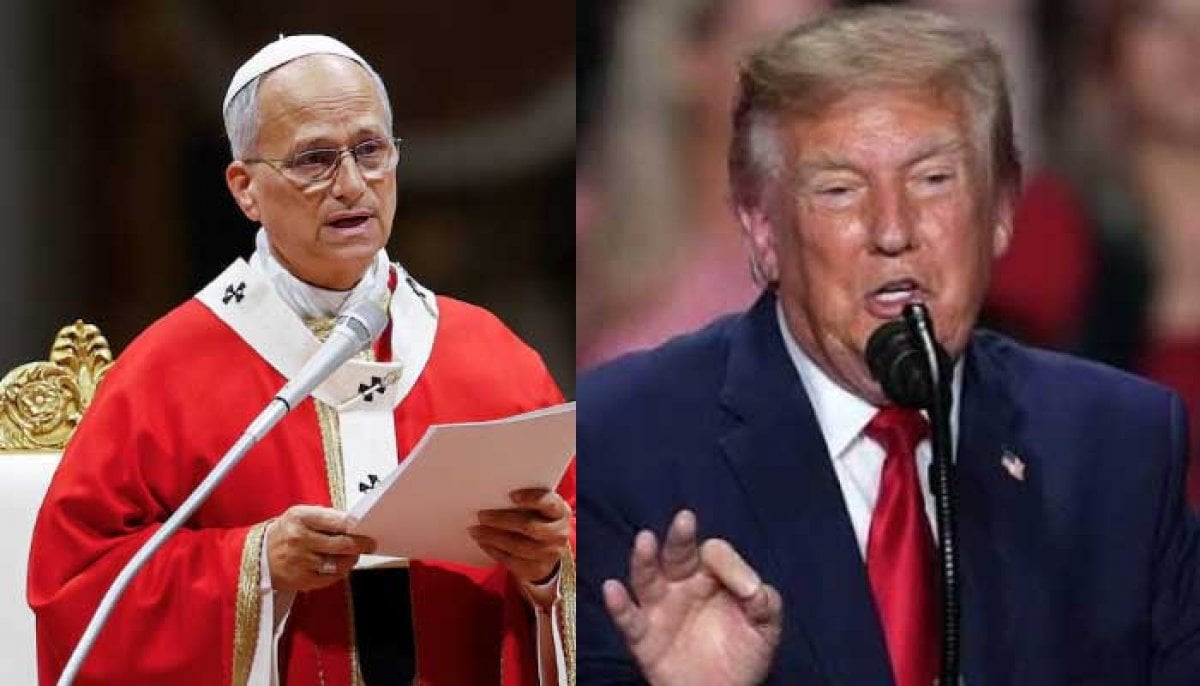 Pope Leo condemns death penalty as Trump mulls livestreamed execution
 -
 Christa Pike returns to prison after hospital discharge
 -
 ‘Neither wanted to hang up’: Kremlin reveals key details of Trump-Putin call
 -
 Probe launched into trades tied to Katie Zacharia selection
 -
 Ireland seeks 8% cut to EU’s proposed seven-year budget
 -
 Jane Doe defends text message evidence in Cornell 7 assault case
 -
 Hurricane Isaias downgrades to post-tropical cyclone after Florida landfall
-
 Zelenskyy takes swipe at US-Russia diesel deal: ‘Peace never comes through weakness’
 -
Ottawa’s Father Joe LeClair, dies after years of ministry and high-profile fraud conviction
-
Two Latvian nationals arrested after hole found in fence at UK military base
-
Canada faces labour shortages and inflation risks as population ages, report warns