Why is TikTok paying $400 million over children’s privacy? What to know
TikTok agreed to pay $300 million immediately in US children's privacy settlement
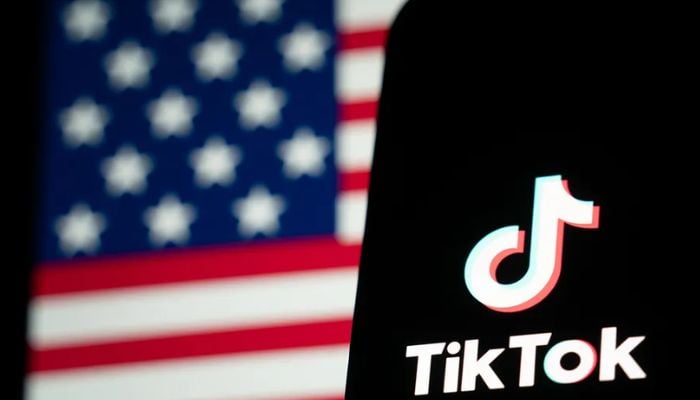
TikTok has agreed to pay a $400 million settlement, aimed at resolving the allegations of the US Justice Department regarding the violation of children’s online privacy.
The settlement stems from the lawsuit filed by the DOJ and the FTC against TikTok and ByteDance in 2024 in which the department accused the short-video platform of failing to protect children's, under the age of 13, privacy and illegally collecting their information without verifiable parental consent. They also failed to honor parents’ requests to delete their children's data.
Associate Attorney General Stanley Woodward said the Justice Department's priority "is ensuring that children are protected online and that companies entrusted with their personal information meet their legal obligations."
Under the settlement, TikTok will agree to pay $300 million immediately, with an additional $100 million tied to vacating an older 2019 consent decree tied to its predecessor, Musical.ly. It stands as one of the largest recoveries ever secured under COPPA.
TikTok , formerly Musical.ly, paid a $5.7 million fine to settle Federal Trade Commission (FTC) charges that it illegally collected the personal information of children under 13 without parental consent.
In January, ByteDance expressed willingness to establish “a majority American-owned joint venture” to secure US data and avoid the ban on the app.
Its US operations are now 81 percent owned by a consortium of investors, while ByteDance holds a 19 percent stake.
Under this joint venture, all the users are required to enter their date of birth to use the site. On the other hand, TikTok also announced plans to develop “sophisticated age moderation systems” that could easily identify under 13 who misrepresented their age.


-
 US politician slams Sam Altman over 'accept some bad things happening' remark
 -
 Italy antitrust regulator opens investigation into AI music startup Suno
 -
 Smart glasses face bans over privacy concerns: Full list of countries
 -
 Mistral AI new model beats Chinese competitors in cybersecurity, claims CEO
 -
 UK regulator probes Meta over child safety risks in Instagram's 'Instants' feature
 -
 OpenAI admits ‘not good enough’ response to Australia government hacks
 -
 Meta, TikTok and X challenge UK watchdog over safety data: What to know
 -
 Norway proposes temporary ban on AI glasses in public spaces over privacy fears