UK Salmonella outbreak: Imported eggs linked to one death, hundreds sickened
The UK Health Security Agency said the food poisoning outbreak may be linked to eggs imported from outside of the UK
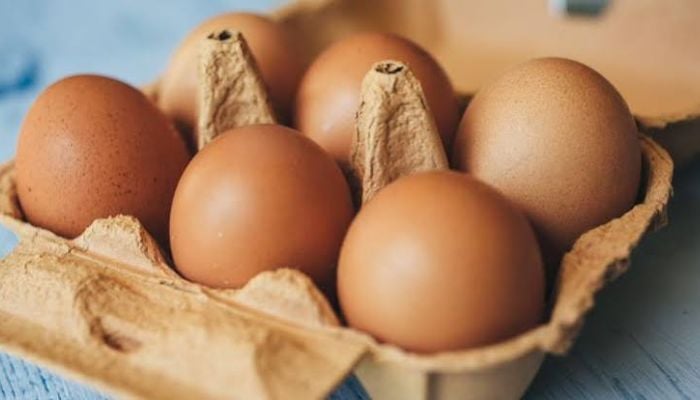
A person has reportedly died, and hundreds have fallen ill with salmonella food poisoning in an outbreak. However, UK experts are investigating the actual cause, but they believe it is linked to eating food made with imported eggs.
The UK Health Security Agency is probing the source of the outbreak as concerns rise over the spread of the infection.
Common symptoms include stomach cramps, diarrhea, vomiting and fever, usually developing between 12 and 72 hours after becoming infected.
The UKHSA cautioned that anyone who is concerned should contact their GP or out of office hours.
Given the major incident, Hannah Charles at UKHSA said: “We are working with the Food Standards Agency and other public health agencies to investigate a salmonella outbreak that may be linked to eggs imported outside of the UK.”
It has been observed that thousands of cases of food poisoning occurring each year in the UK originated every year in the UK are caused by distinct strains of salmonella. However, it is more usual to observe an epidemic strain claiming many people lives this time.
People are advised to fully cook eggs, thoroughly wash their hands with water and soap. Furthermore, the UKHSA stated that comprehensive epidemiological and food chain investigations are continuing to monitor the source for egg consumption which remains the strongest link in the outbreak to date.


-
 Herpes virus associated with 48% raised odds of Dementia and Alzheimer's, study
-
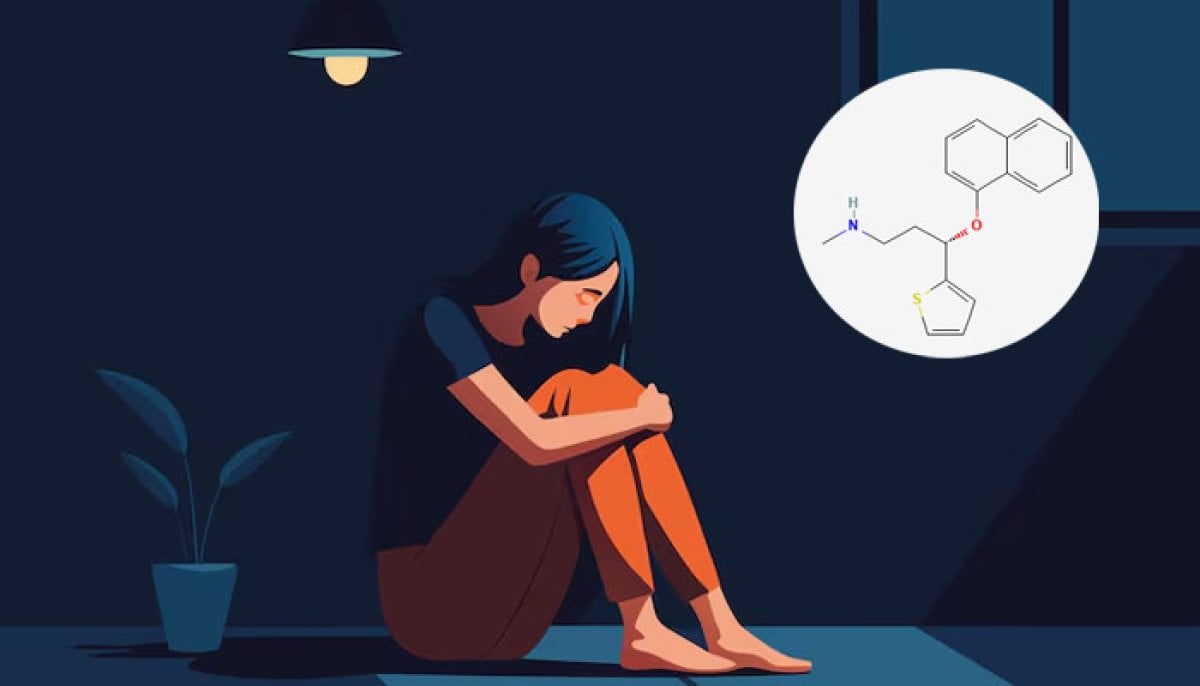 Depression medicine used by millions has one dangerous symptom, pharmacist warns
-
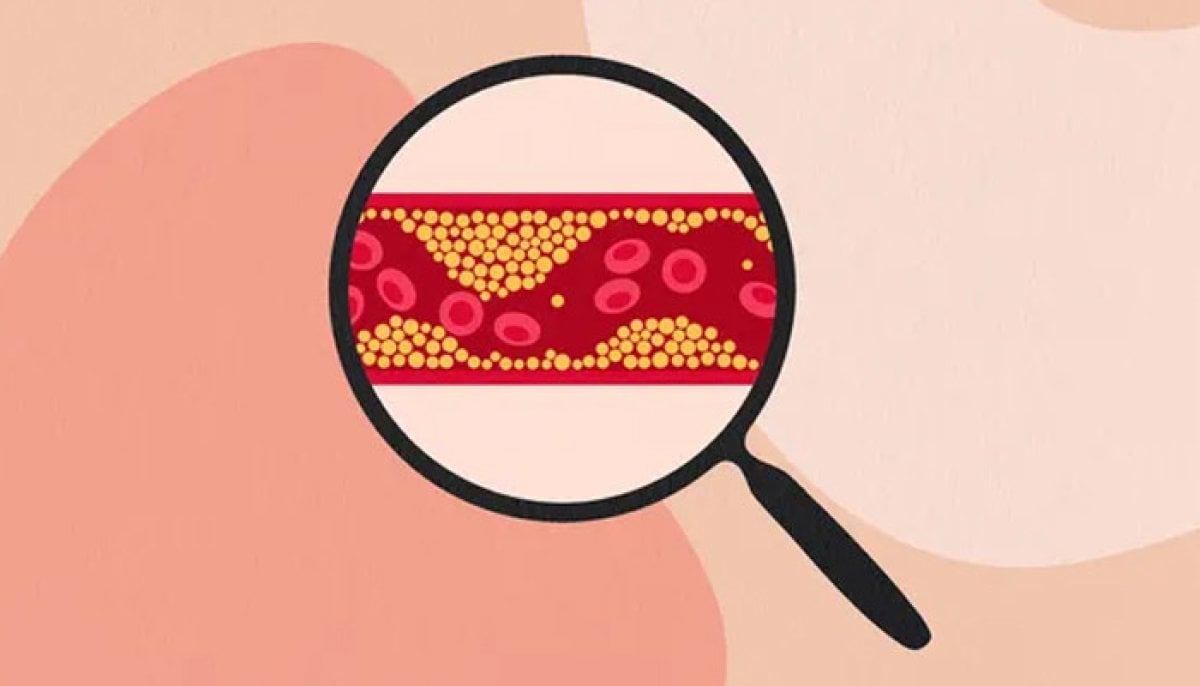 High cholesterol warning signs to never ignore
-
 Adolescents show worsening signs of mental health: Find out why
-
 Vitamin D found to lower risk of harmful Alzheimer's proteins
-
 China introduces measures for elderly care
-
 FDA clears first age-reversal gene therapy trial for vision loss
-
 Cancer cells can turn back into normal cells, claim Korean scientists