New study reveals surprising way stress hormones help the brain repair itself
Researchers uncover how short-term stress hormones may activate the brain’s natural repair mechanisms, offering new clues about resilience and recovery
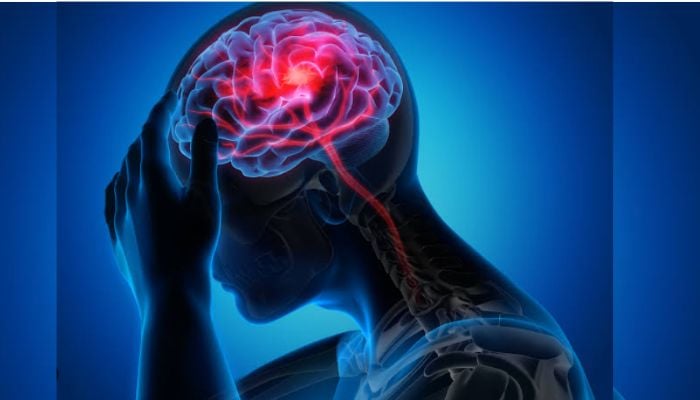
For decades, modern medicine has framed stress as an adversary to neurological health a chronic disruptor linked to cognitive decline, anxiety, and cellular wear and tear.
However, a groundbreaking study from the Max Planck Institute of Psychiatry is challenging this long-held dogma by revealing a remarkable biological paradox.
A surprising stress-related signal may help the brain repair itself after injury.
Recent research from the Max Planck Institute of Psychiatry reveals that a well-known stress-related signal can play a surprising and crucial role in helping the brain repair itself after an injury.
They found that following a brain injury, specific precursor cells rapidly produce and release corticotropin releasing hormone (CRH) a neuropeptide famously tied to the body's stress regulation system.
The study showed that this local burst of CRH comes from oligodendrocyte progenitor cells (OPCs), which are precursor cells responsible for creating myelin (the protective sheath insulating nerve fibers)
The production of CRH begins within hours of an injury and shuts down after about three days.
Researchers discovered that CRH acts as a timing mechanism, dictating when these repair cells multiply and mature into functional oligodendrocytes to successfully patch up damaged nerve wiring.
Without the correct receptor response (CRH receptor 1), cells may multiply too rapidly after an injury, but ultimately fail to produce enough mature, lasting repair tissue.
Because CRH is heavily involved in how the brain develops normal myelination early in life and is intimately tied to stress pathways scientists believe these findings could open new doors for understanding stress-associated psychiatric disorders like depression, as well as demyelinating conditions like multiple sclerosis.
The study "Neuropeptide CRH prevents premature differentiation of OPCs following CNS injury and in early postnatal development" was orginally published in the journal "Cell Reports."


-
 Health Canada reviewing new mRNA flu vaccine that could prevent more hospitalisations
 -
 Scientists discover hidden drainage route at the back of the eye
 -
 WHO confirms death at Russian research lab, says no plague case registered
 -
 Getting a $90 check from Social Security? Here’s why
 -
 Measles cases in US top 4,000 nationwide, CDC reports
 -
 Sexually transmitted diarrhea spread in US, UK: Why antibiotics are failing against Shigella
 -
 Who is Song Li? China puts her forward for WHO leadership role
 -
 CDC monitors travelers from Siberia after plague worker’s death, director says