Andy Burnham’s first cabinet meeting as UK prime minister: Key takeaways
UK Prime Minister Andy Burnham chaired his first Cabinet meeting at 10 Downing Street on July 21, setting out his government’s early priorities and agenda
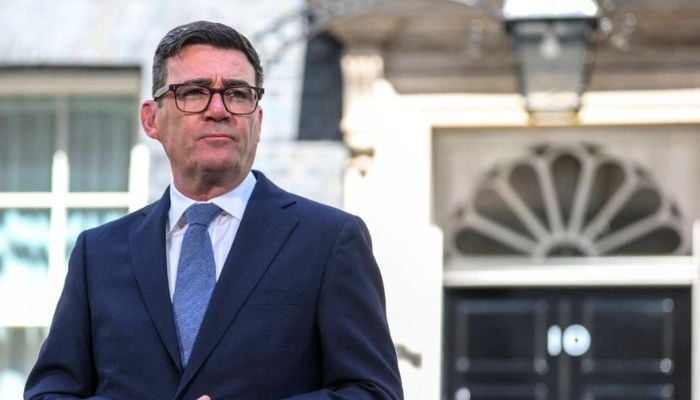
UK’s newly appointed Prime Minister Andy Burnham chaired his first Cabinet meeting at 10 Downing Street on July 21, following his transition into office.
Set against a backdrop of tight public finances and economic strain, Burnham used his opening address to define the overarching philosophy of his government, establish key spending priorities, and signal a direct shift in political strategy.
Primary Mandate:
Burnham made it clear to his top team that the administration’s core identity will be a "cost of living government" aimed at delivering rapid financial relief to struggling households.
He positioned his premiership around relieving pressure on household finances, declaring his administration a "cost of living government"
Immediate Policy Actions:
His initial package includes cutting VAT on domestic electricity bills from 5% to 0% starting in October, alongside plans to re-introduce lower bus fare caps.
Funding Strategy:
To finance the energy VAT cut without expanding borrowing, the government announced plans to scrap the previous administration's unfunded digital ID program.
Burnham warned ministers that the government will have to take a "really hard look" at state spending and make tough choices to prioritize key areas given sluggish economic growth.
While Burnham emphasized taking a prudent approach to fiscal management, he noted that the government will explore room within existing fiscal rules to allow borrowing for key infrastructure investments.
"One-Team" Approach:
Burnham urged ministers to adopt a "one-team approach" to end factionalism and restore stability.
To drive the administration's key economic and social agenda, the newly elected PM created the Office of the Prime Minister and Cabinet (OPMC), merging key functions of the Cabinet Office, Treasury, and Housing Ministry.
Led by First Secretary Louise Haigh, this new office will operate across Downing Street and a new "No 10 North" hub in Manchester.
The meeting followed a widespread reshuffle that replaced several allies of predecessor Keir Starmer, replacing them with a central team tasked with delivering rapid regional and national reform.
Key Priorities & Pledges:
In the light of defence budget spending upheaval, Andy Burnham pledged, defense spending will be prioritized, with new Chancellor John Healey backing plans to lift military spending towards 3% of GDP by 2030 and targeting 3.5% by 2035.
Other notable pledges included early signature initiatives, including ending street homelessness, overhauling social care under Health Secretary Yvette Cooper, and establishing a 10-year national economic plan.
He also claimed to prioritize early action on social care reform and ending street homelessness as core domestic measures.


-
 Zelenskyy to visit Norway amid Ukraine war and Trump rift: What’s on agenda?
 -
 Alberta independence referendum: Canada PM says 'Albertans have made clear choice’
 -
 Donald Trump issues stark warning to New Mexico
 -
 Trump warns US will 'burn' like France if Democrats win midterms
 -
 Beluga whale Cyprus dies in California months after leaving Ontario's Marineland
 -
 Australian employers using AI to track workers without their knowledge, report warns
 -
 UK hits back at Hegseth after he questions NATO allies' sacrifices in Afghanistan
 -
 US Supreme Court refuses to restore plea deals for three alleged 9/11 conspirators
-
 ICE agents accused of using force against US citizen in Long Beach
 -
Trump is using presidency to make himself richer, say majority Americans in new poll
-
Helen Haines, former nurse turned Australian MP critically injured in suspected attack
-
Meta admits mistaken suspension of 'No Kings' Instagram account, cites Claude AI glitch