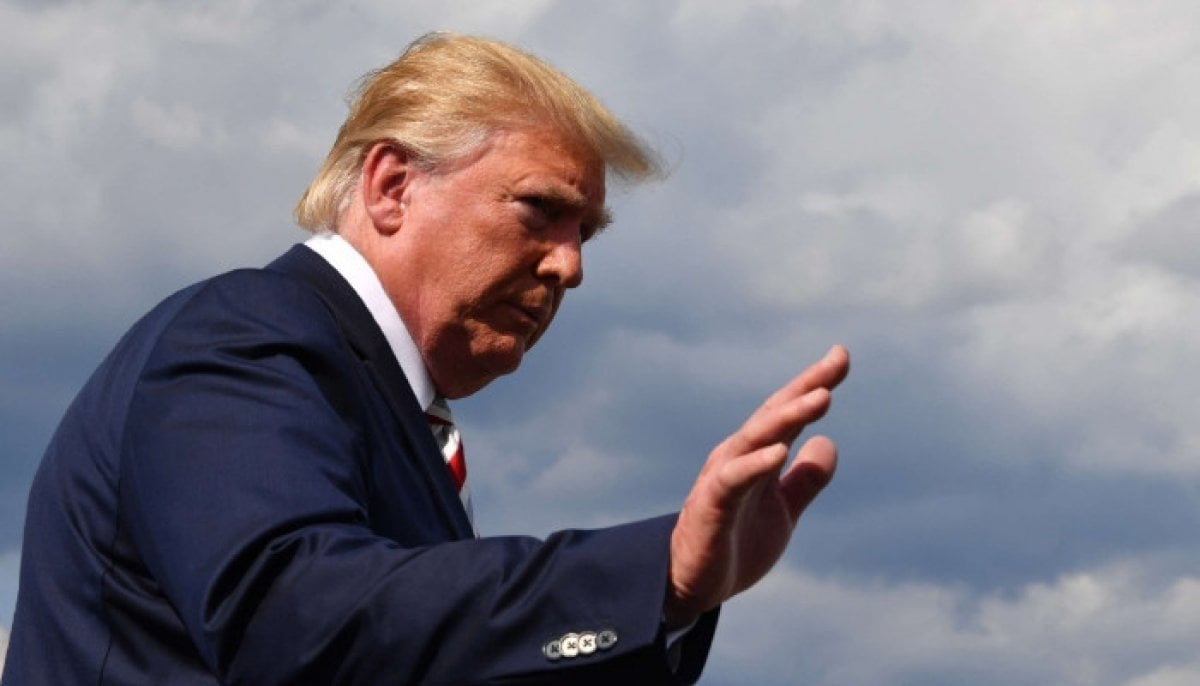
Nato allies announces £37bn missile project: What it means for global security
The UK government has already committed £300bn by 2030 under the Defence Investment Plan

UK Prime Minister Keir Starmer and twelve countries unveiled a £37bn commitment over the next ten years to develop new long-range precision strike weapons at the NATO summit in Ankara.
The Deep Precision project has been announced by Number 10 and is due to be unveiled later on Wednesday at the Nato summit in the Turkish capital, Ankara. Sir Keir Starmer faces scrutiny from US President Donald Trump for failing to detailed a plan for reaching 3.5% of GDP on defense spending by 2035.
On Wednesday, the prime minister will gather around a dozen leaders to discuss the new missile programme. Nato’s most cutting-edge weapons are designed to strike targets nearly 200 miles away with total accuracy, possibly reaching up to 1,250 miles.
Earlier, Trump reiterated that he wants Nato members to contribute more to defense spending in Europe and at least this year's Nato summit. Sir Keir Starmer remains committed to guaranteeing the security of the UK and its allies, adding: “ We must step up and deliver a stronger, more European NATO.”
The government said Nato has immediately launched fighter jets to intercept Russian aircraft entering coalition territory more than 700 times and that Russian military activity around UK waters has soared 30%. Sir Keir is also set to emphasize that although Nato did not provoke a clash with Russia, it must be ready to defend every ally.
In this regard, Foreign Secretary Yvette Cooper said: “With deep precision strike capability, the UK and our allies will be able to hit high value military targets and the logistical engines that drive armies, deterring any aggressor and strengthening our mutual security.”
Ukrainian President Volodymyr Zelensky delivered an address at the summit on Tuesday, urging Ukraine's allies to deliver the air defense systems it desperately needs to shield itself from escalating Russian attacks. Ukraine has been scaling up its own long-range drone and missile attacks against Russia, hitting oil refineries and resulting in leaving significant fuel shortages and power cuts.
“Ukraine's Armed Forces have proved that the effective use of long-range systems can have game-changing impacts on the battlefield, giving the Armed Forces the ability to degrade enemy forces far behind the frontline,” Number 10 said.
On Tuesday, Kremlin spokesperson Dmitry Peskov clarified that no new weapons Kyiv would get from Nato could halt Russia from continuing its military operation until its targets are fully achieved.


-
 Zelenskyy to visit Norway amid Ukraine war and Trump rift: What’s on agenda?
 -
 Alberta independence referendum: Canada PM says 'Albertans have made clear choice’
 -
 Donald Trump issues stark warning to New Mexico
 -
 Trump warns US will 'burn' like France if Democrats win midterms
 -
 Beluga whale Cyprus dies in California months after leaving Ontario's Marineland
 -
 Australian employers using AI to track workers without their knowledge, report warns
 -
 UK hits back at Hegseth after he questions NATO allies' sacrifices in Afghanistan
 -
 US Supreme Court refuses to restore plea deals for three alleged 9/11 conspirators
-
 ICE agents accused of using force against US citizen in Long Beach
 -
Trump is using presidency to make himself richer, say majority Americans in new poll
-
Helen Haines, former nurse turned Australian MP critically injured in suspected attack
-
Meta admits mistaken suspension of 'No Kings' Instagram account, cites Claude AI glitch