The real reason Earth escapes the dying sun gravity
Earth's future doom has been predicted to be that of being engulfed by an expanding sun
_updates.jpg)
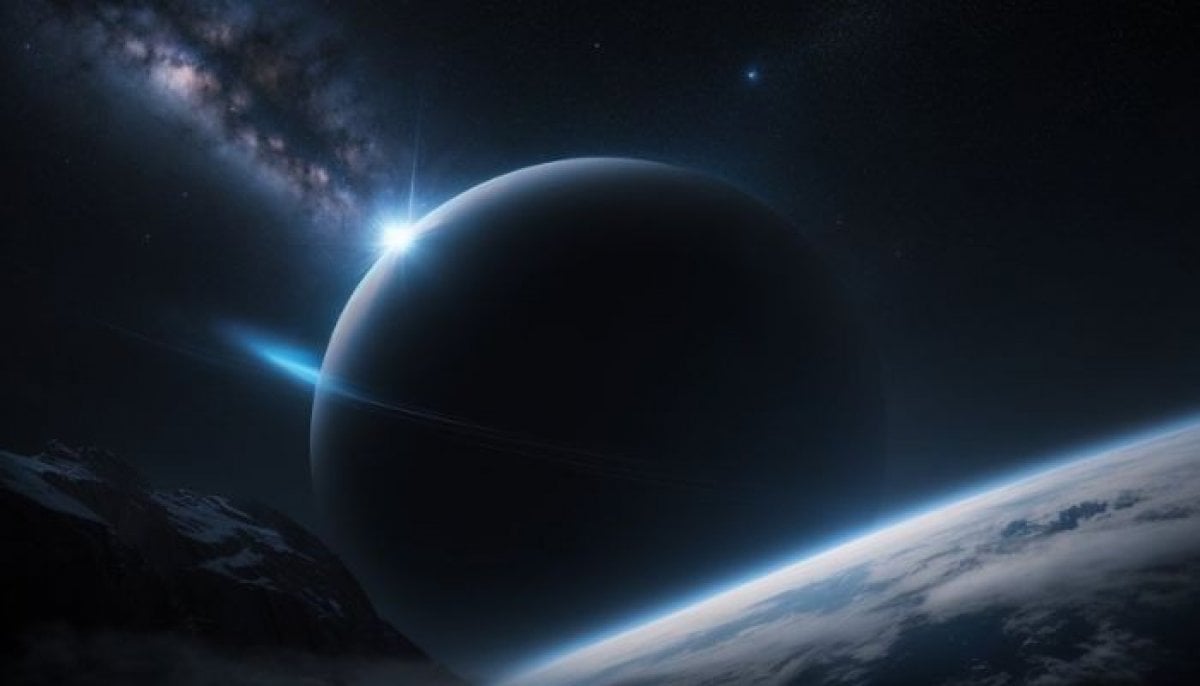
Earth will not be consumed by the dying Sun, at least not according to new research from the University of Leuven published Friday in Astronomy & Astrophysics. A study led by astrophysicist Mats Esseldeurs upends 15 years of scientific consensus by showing our planet could escape the solar inferno in roughly five billion years.
Earth's future doom has been predicted to be that of being engulfed by an expanding sun. However, recent research has established that the interactions are more complicated than originally thought. The outcome now comes down to the balance of forces in opposition to one another.
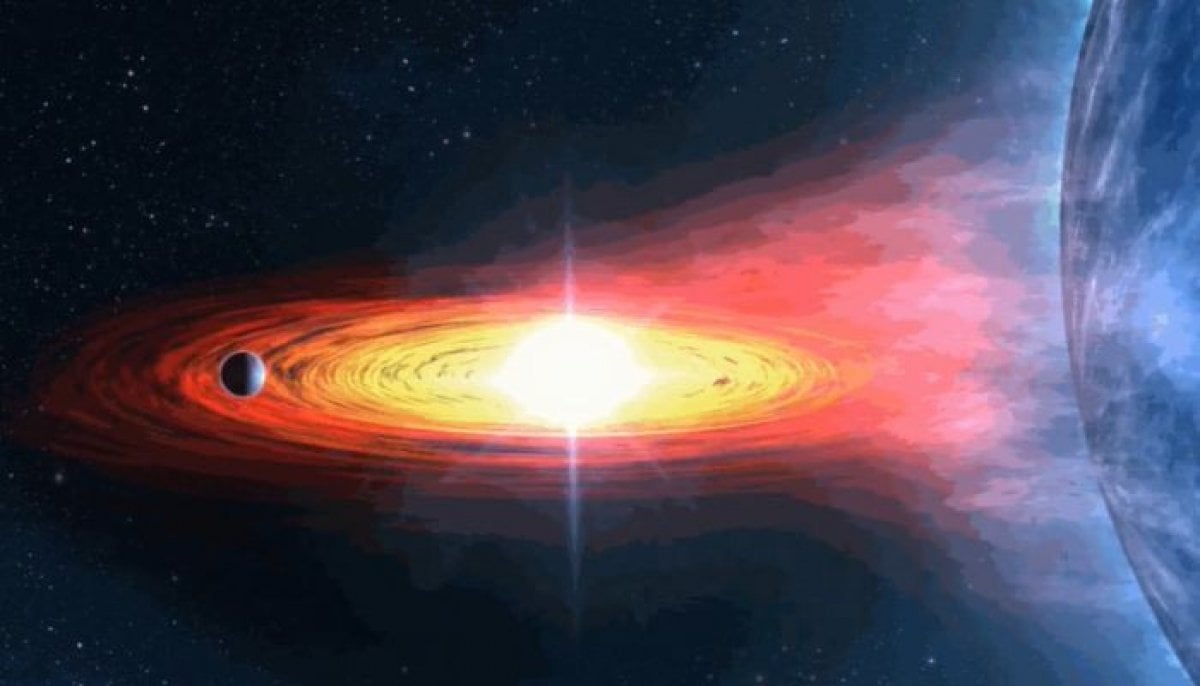
Once the Sun runs out of its hydrogen reserves, it will expand into a red giant, then into a so-called AGB star. It will be pulled towards the bloated Sun by gravity, whereas the dying Sun will lose its mass in stellar winds and thus repel it.
"This is where the fate of Earth becomes dependent on the competition between two effects," Esseldeurs said. Should tidal interactions prevail, then Earth will be swallowed. If the mass loss prevails, then Earth will find itself in a safer orbit.
Esseldeurs and her colleagues have managed to solve this puzzle by examining L2 Puppis, which is a relatively close star very similar to what the Sun is expected to turn into. "The energy dissipation is lower than previously thought," said one of the study's co-authors Stéphane Mathis, who works at the CEA Paris-Saclay centre in France.
"A better understanding of tidal physics allows us to say that Earth could move away from the Sun, contrary to what was predicted before," Mathis said.
Earth and Mars escape the solar death spiral under the new model. Mercury and Venus aren't so fortunate. Both inner planets lack the orbital advantage needed to survive the Sun's expansion and will be swallowed when the star's surface approaches their trajectories.


-
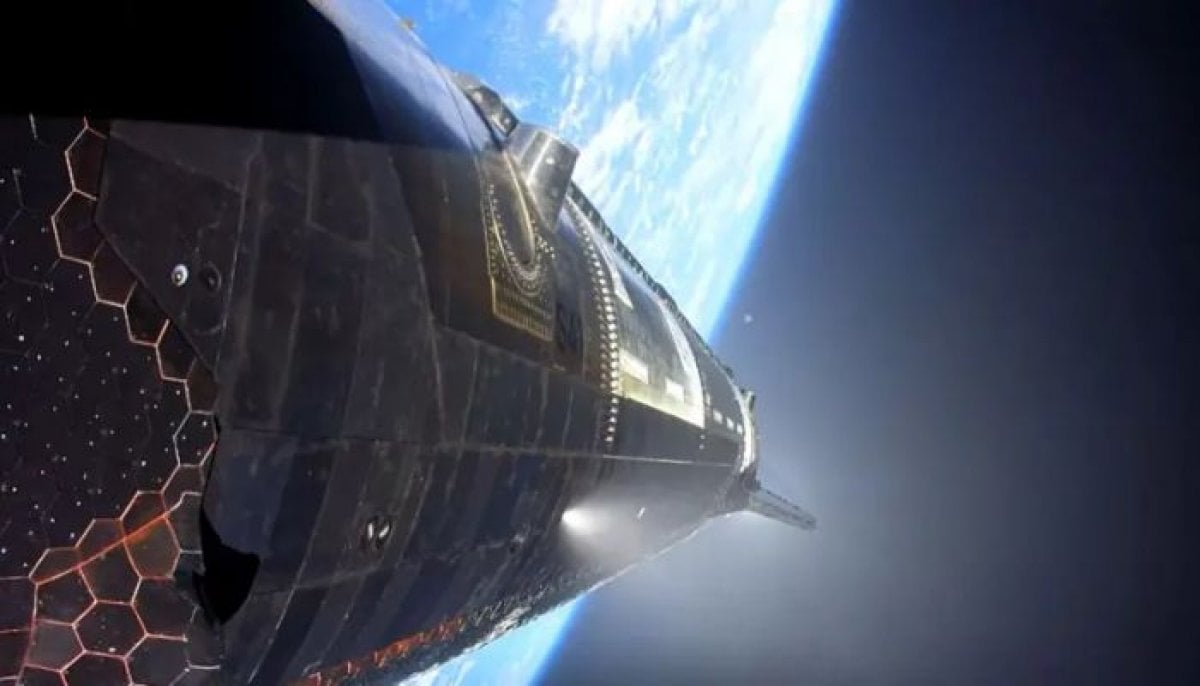 SpaceX Starship Flight 14 reaches orbit after successful insertion burn
 -
 Asteroid Bennu: NASA samples reveal how it was born from fire and ice
 -
 Harvard scientists detect mysterious radio signal from planet outside our solar system
 -
 Scientists may have found a way to grow food on Mars
 -
 Why Earth’s 24-hour day isn’t quite as fixed as you think
 -
 Earth is splitting apart beneath the Pacific Northwest: Here’s why
 -
 Google's AI Satellite Prototype Launches on SpaceX October 1
 -
 Google plans first AI chip test in space under project Suncatcher