Alexa, Sparky can spot fake 'made in USA' claims: Study
Last year, the FTC recommended both companies do a better job at policing claims made by third-party sellers
Amazon and Walmart's AI shopping assistants can often spot when "Made in USA" labels don't match the facts, but neither company is using that capability to crack down on the false claims, according to a new study from a think tank led by former Federal Trade Commission chair Lina Khan.
The research revealed that Alexa for Shopping by Amazon and Sparky by Walmart are equally capable of identifying discrepancies in the “Made in USA” claims and other conflicting information in product descriptions.
When the researchers enquired about why the robots did not make more efforts to address mislabelling, both provided business rather than legal reasons.
Sparky from Walmart stated that the FTC action against misleading claims is generally aimed at manufacturers rather than retailers and then noted that “it’s a business calculation, not a legal one.”
Amazon's Alexa was more direct still, telling researchers that the harm to US-made brands "is real and documented", but that inaction remains easier "until that harm creates a financial, regulatory, or reputational cost for Amazon specifically".
Neither a Walmart spokesperson nor an Amazon spokesperson could be reached for comment on the results.
The latest report has once again brought up old concerns regarding the way in which AI shopping assistants should balance accuracy and the need to help retailers use this technology to generate sales.
Last year, the FTC recommended both companies do a better job at policing claims made by third-party sellers of the "Made in USA" type, citing the policies adopted by the company that required sellers to provide accurate information. The FTC regulations state that products advertised as "Made in USA" must be "all or virtually all" made in the US.
The report is the first published by Columbia Law School's Center for Law and the Economy, launched after Khan returned to the university following her tenure at the FTC.
"Even as AI tools continue to grow in sophistication and capability, business incentives will shape how these advancements get deployed," Khan said, adding that regulators have a role to play in protecting the public.


-
 Nvidia launches Open Agent Safety Platform to stop AI from going rogue
 -
 Meta AI Muse under fire for sharing user's home address–Here’s what happened
 -
 Bill Gates reveals the one way he refuses to use AI
 -
 China weighs allowing ByteDance and Alibaba to buy new Nvidia chips: Here’s why
 -
 Bill Gates warns unchecked AI could 'cause a billion deaths': Demands prompt regulation
 -
 Google restricts new account creation for Iranian users: What to know
 -
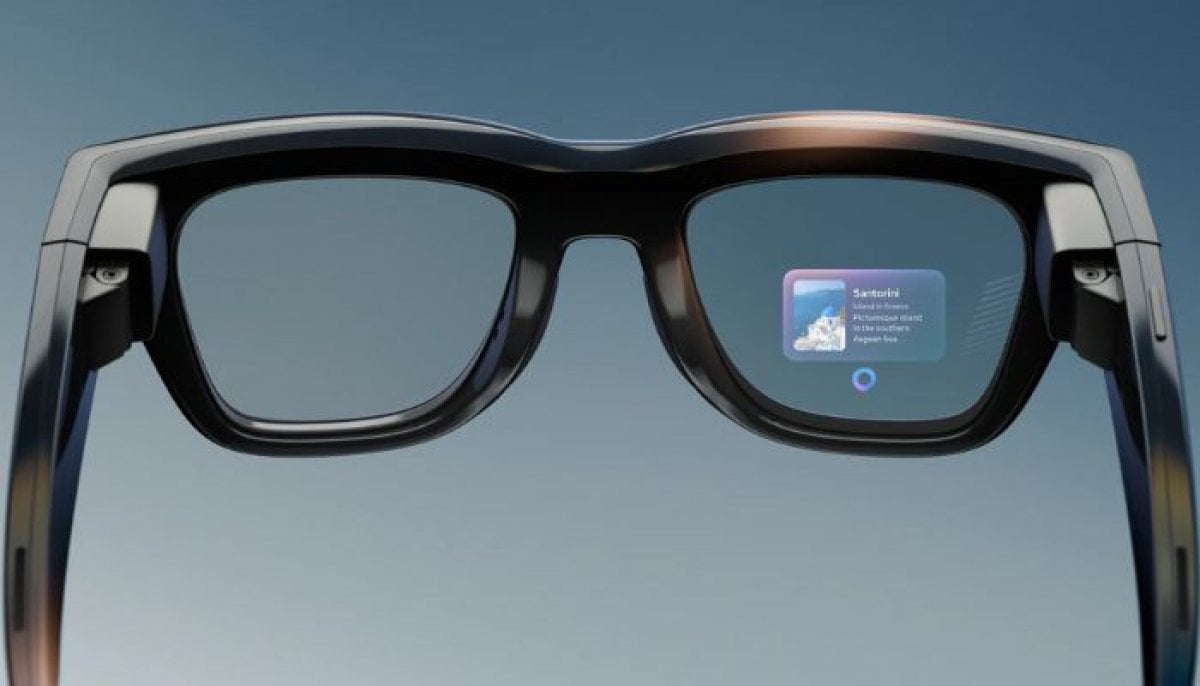 Are strangers reviewing photos from your Meta glasses? Check settings now
 -
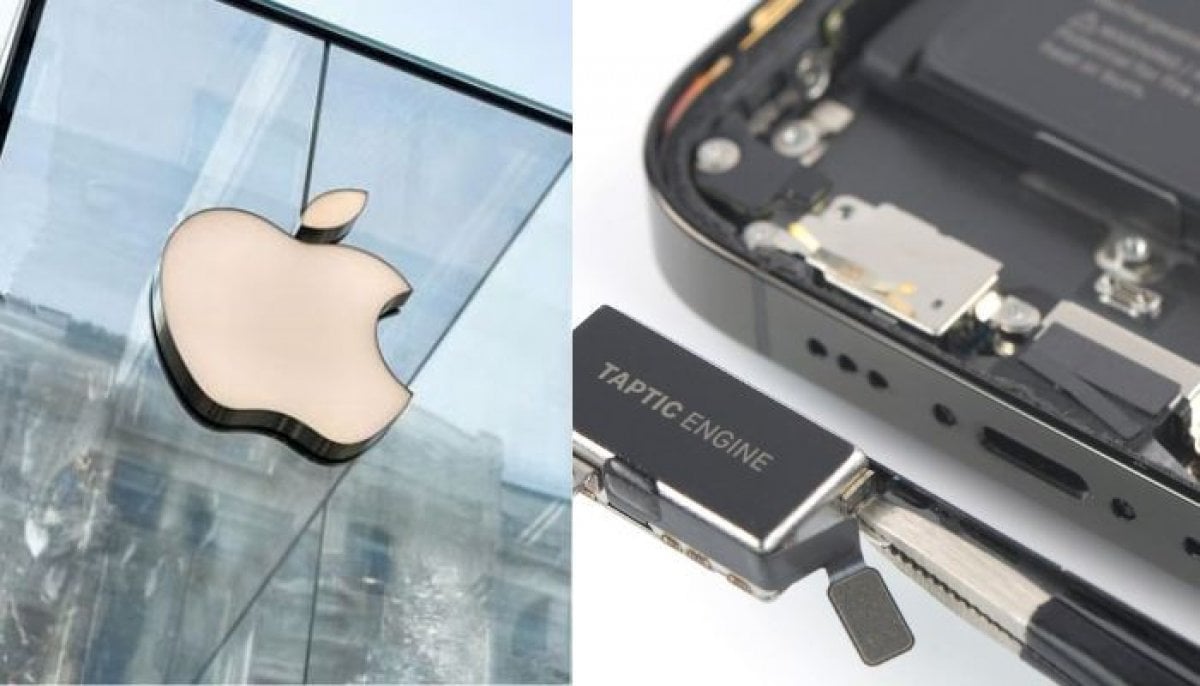 Apple ordered to pay $5.7bn in Taptic Engine case