
New Ebola vaccines fast-tracked amid fears of worst outbreak on record
Ebola has already killed nearly 250 people, with more than 1,000 suspected cases reported in the DCR
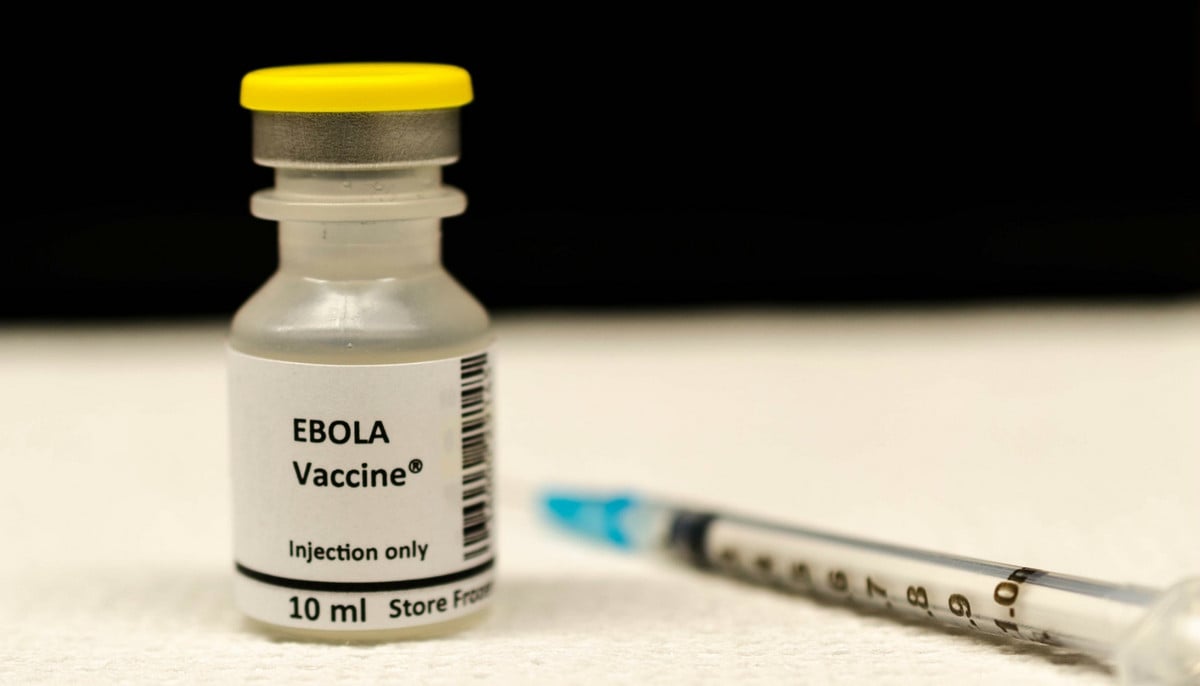
Three new vaccines are being developed to combat the Bundibugyo strain of Ebola as health experts warn the current outbreak could become one of the worst on record.
The outbreak has already killed nearly 250 people, with more than 1,000 suspected cases reported in the Democratic Republic of Congo and confirmed infections spreading into neighbouring Uganda.
The International Aids Vaccine Initiative (IAVI), the University of Oxford and pharmaceutical company Moderna are all working on separate vaccine candidates, supported by funding from the Coalition for Epidemic Preparedness Innovations (CEPI).
Experts have raised concerns that the outbreak could rival the devastating West Africa Ebola epidemic between 2014 and 2016, which infected nearly 29,000 people and killed more than 11,000.
Speaking about the situation, IAVI chief executive Dr Mark Feinberg said to BBC: "I think this is clearly threatening to be as severe an outbreak as that, if not even worse, and development of a vaccine, and other countermeasures, is clearly a priority."
The Bundibugyo strain has caused only two previous outbreaks and currently has no approved vaccine.
Moderna is using its mRNA technology, while Oxford and IAVI are pursuing different vaccine approaches aimed at training the immune system to recognise and fight the virus.
Clinical trials for some of the vaccine candidates could begin within months.


-
 Lili Reinhart reveals why she 'felt convinced' to do 'The Love Hypothesis'
 -
 Madonna's secret adoption after daughter Lourdes Leon's birth exposed
 -
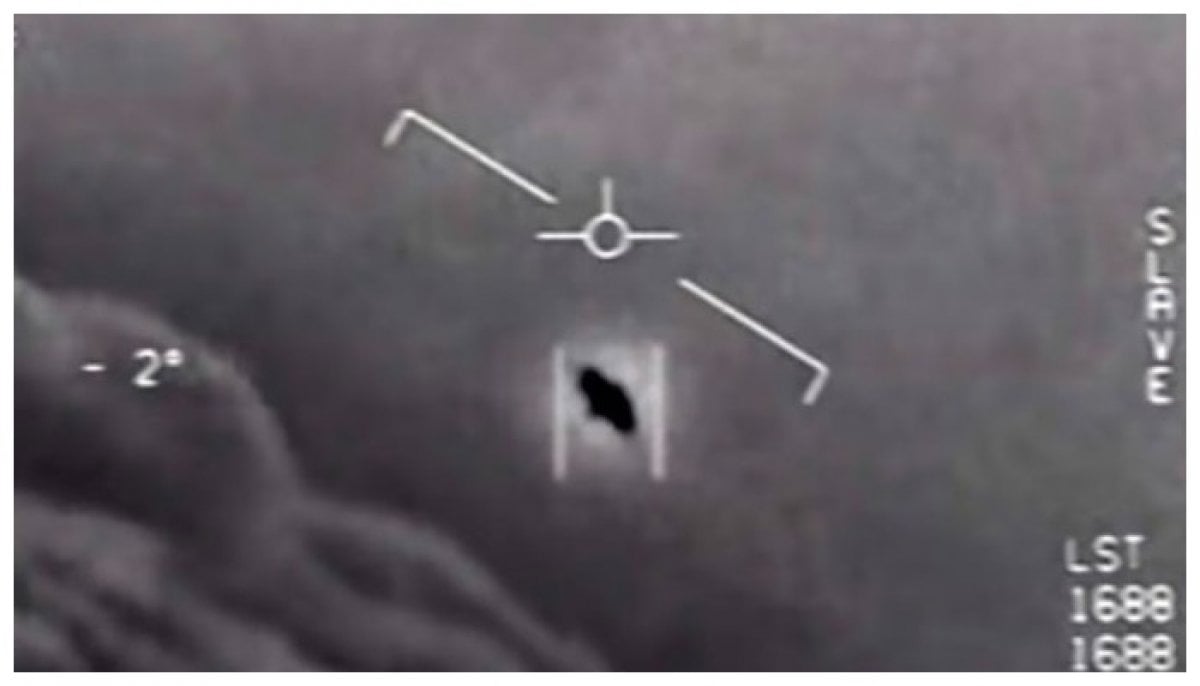 Secret UFO tape discovered after 70 years may reveal hidden details about 'Invasion of Washington'
 -
 Jenna Leigh Green drops bombshell about her role in 'Sabrina the Teenage Witch' after decades
-
 Scientists discover tiny Antarctic sea creature that could help fight melanoma
 -
 Is UK heading for another heatwave? Here's what the latest forecast says
 -
 Shocking discovery at 'no-kill' shelter leaves dog owners distraught
 -
 EU launches investigation into Sanofi over alleged flu vaccine disparagement
 -
 How to survive Heatwave: Expert tips to stay cool in extreme temperatures
 -
 Rare genetic clue linked to healthy aging found in long-lived families
 -
 French fries raise diabetes risk 20%: New study warns
 -
 Study shows near-zero cervical cancer risk in young women


