Billy Idol says fans miss the point of 'White Wedding'
Billy Idol reacts to 'White Wedding' being used at weddings
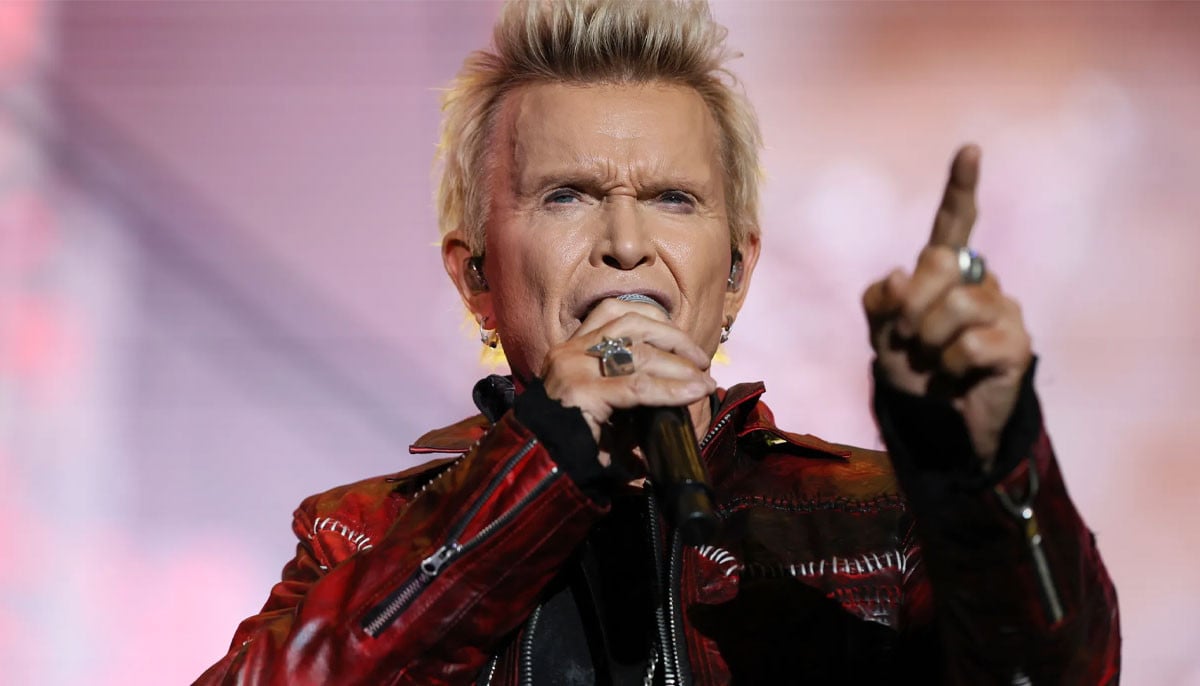
Billy Idol says one of his most famous songs has taken on a meaning very different from what he originally intended.
The rock legend, 70, recently performed a medley of his biggest hits at the 2026 American Music Awards, where he also received the Lifetime Achievement Award. While songs like Eyes Without a Face and Dancing with Myself were included in his set, White Wedding was not performed during the show.
However, Idol shared a candid thought about the song in a new interview, saying he's surprised at how the 1982 track is often played at actual weddings.
“'Well, White Wedding was a bit of an anti-marriage song, but people get married to it,” he told People. “So there you go. They changed that, the meaning of that.”
He explained that the song was originally written as an anti-marriage track, not a celebration of it.
He said it is “funny” that people now choose it for wedding ceremonies and how the meaning has shifted over time by how fans have used it.
Despite the irony, Idol said he is happy the song continues to connect with audiences.
"It's funny, but it's great. I'm glad people have enjoyed it," he added. "Whatever they've used it for, I'm glad they've enjoyed the music and I've had a great time."
Idol first rose to fame in the late 1970s as the frontman of the punk band Generation X before launching a successful solo career in the 1980s.
In his acceptance speech at the 2026 AMAs, Idol also addressed younger artists, encouraging them to pursue music and creative expression. He advised aspiring musicians to find their identity and commit fully to their craft.


-
 Jenny McCarthy claims Tom Cruise had an agenda for her and Jim Carrey
 -
 Prince Harry, Meghan Markle are warned not to ‘undo’ their Nottingham success
 -
 Prince Harry, Meghan Markle half-in half-out arrangements ‘foisted upon them’
 -
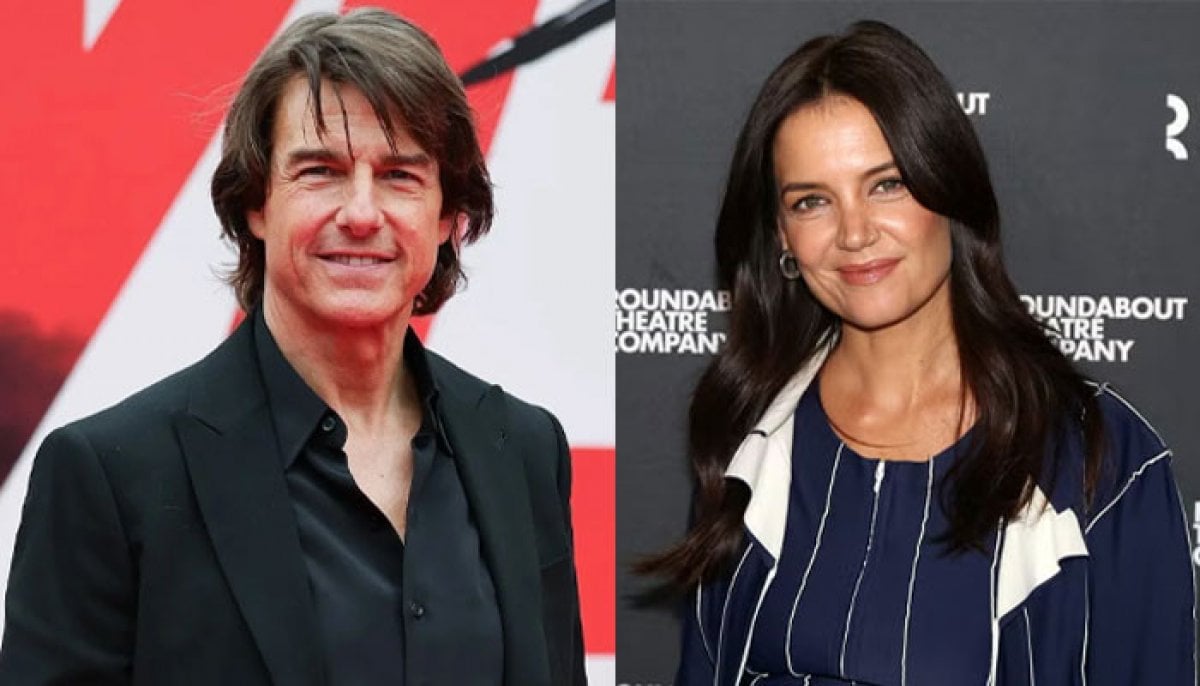 Katie Holmes 'looked like a deer in headlights' during Tom Cruise marriage, claims friend
 -
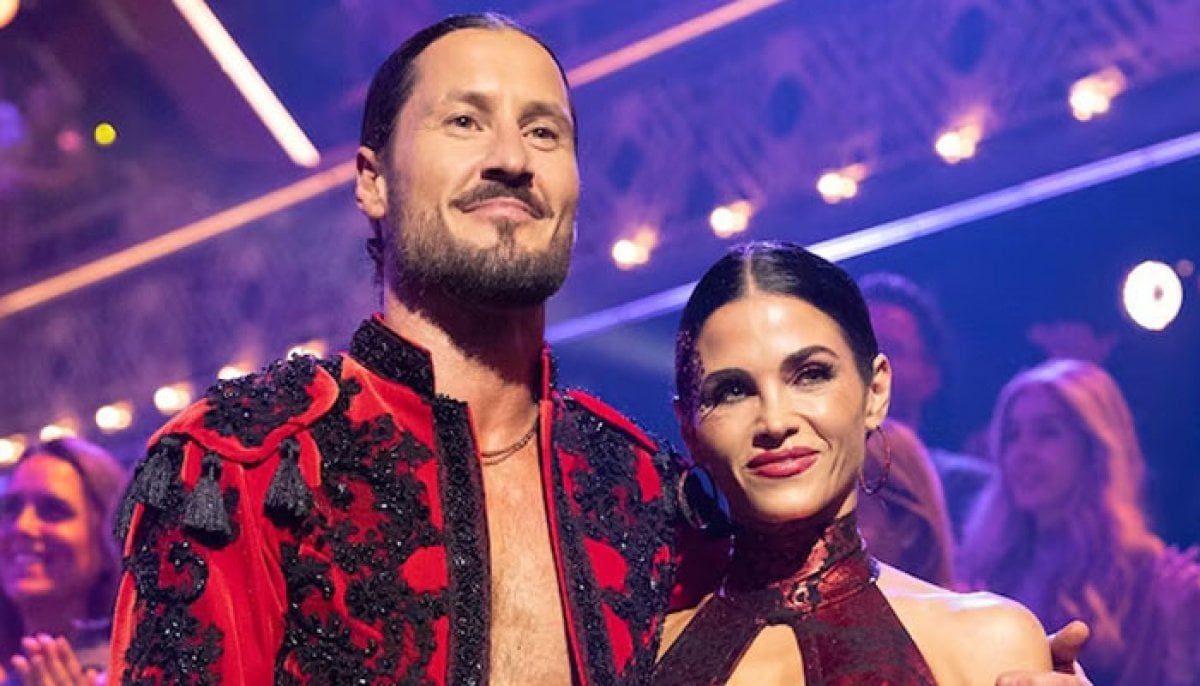 Jenna Dewan and Val Chmerkovskiy suffer major setback in 'DWTS'
 -
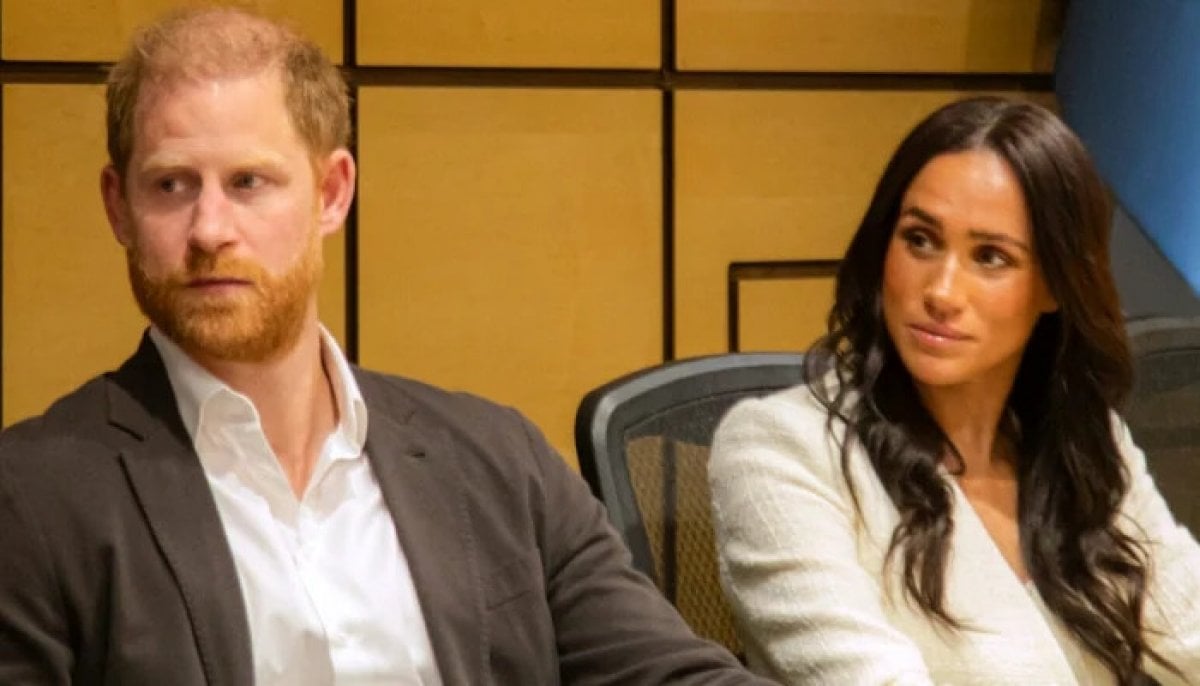 Prince Harry, Meghan have ‘absolutely no intentions’ to stop pseudo Royal tours
 -
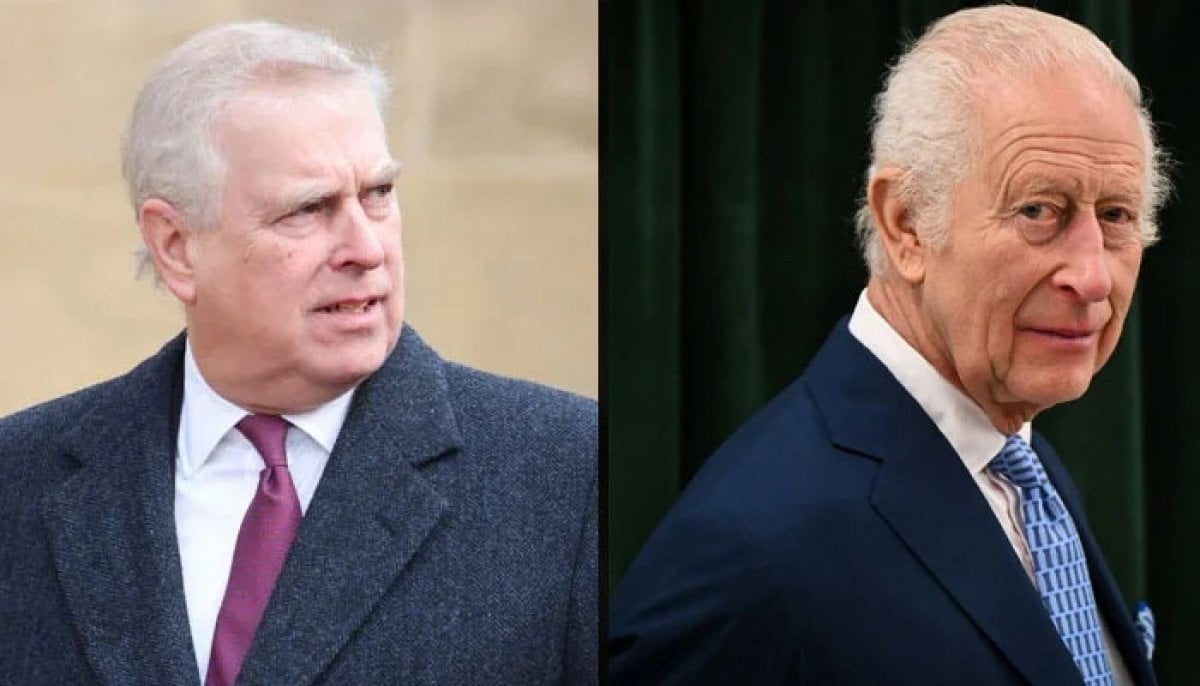 King Charles trouble as Andrew tells ‘you sort it out’
 -
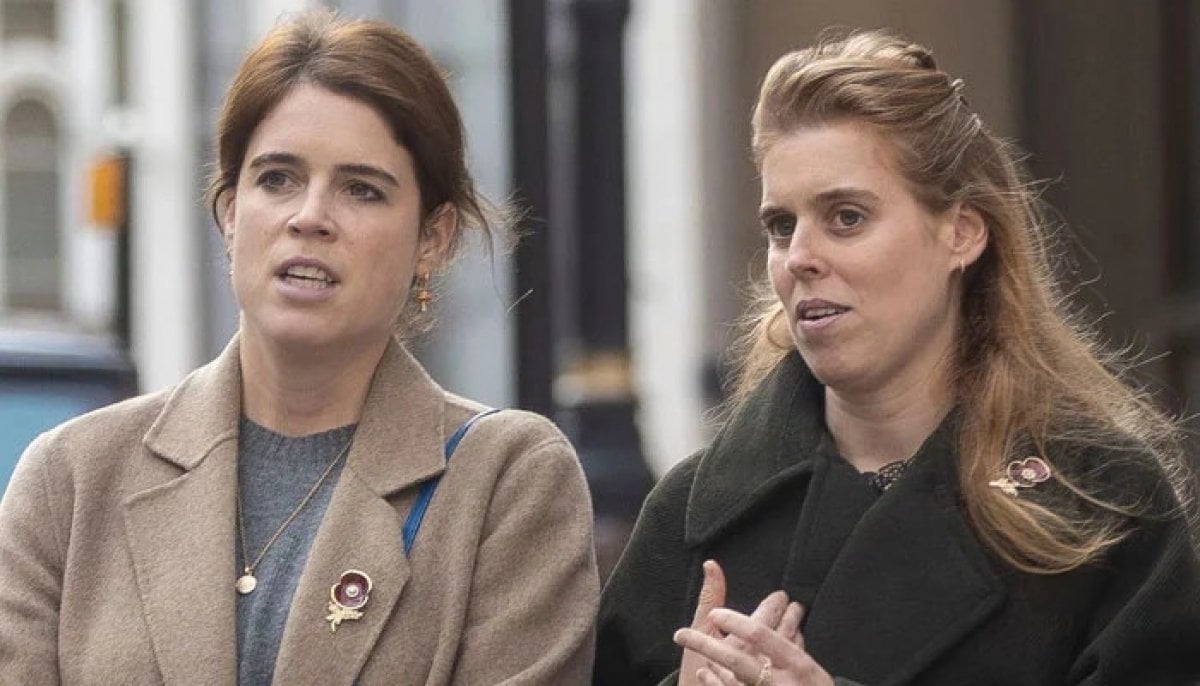 Princess Beatrice, Princess Eugenie have ‘right to resign’ from Royal positions
-
 Sarah Ferguson loses her ‘tripod’ with Princess Beatrice, Princess Eugenie
 -
Prince Harry, Meghan Markle ‘absolutely fascinating’ Nottingham trip raises concerns
-
Drake hits back at producer accusing him of stealing 'Janice STFU' chorus
-
'Brooklyn Nine-Nine' star Melissa Fumero makes surprising pregnancy confession