Blue Moon 2026: How it highlights the mechanics of our Solar System
The full Moon will rise above the horizon on May 31st
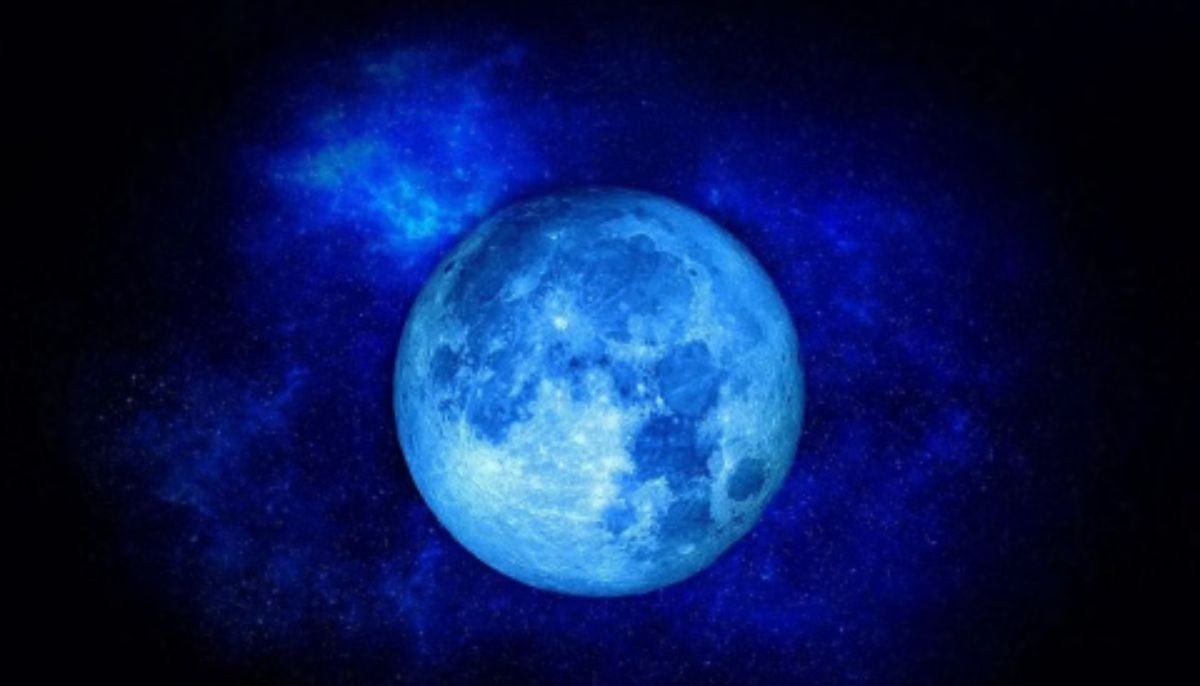
On May 31st, skygazers will see the full Moon above the horizon, it will be defined as a monthly Blue Moon. This not only explains why it will appear late May, but the full moon will also be a true cosmic marvel.
The prime reason why it is called the Blue Moon is due to its timing, though this event might more accurately be called a “Blue Micromoon.”
The 31st of May is also known as a “Blue Moon” because it is the second full Moon in a calendar month. However, the true astronomical definition of a Blue Moon is linked to the division of a year into the astronomical seasons.
It is pertinent to note that May full Moon is occasionally a “Blue Moon” a name that stems from the fact that it is considered an “extra” full Moon.
The prime reason why the 31st May Blue Moon will appear smaller than usual comes down the shape of the Moon’s orbit around Earth. There are two vital factors to track this upcoming Micromoon.
The first is that the Moon won’t look any more blue than usual. On the other hand, the “micrommon” appears smaller than usual.
It is due to the fact that it looks larger than usual. This is because the full moons of late spring and summer don’t rise high in the sky like autumn and winter full moons.
This full Moon will be low to the horizon, you will need a clear view of the southern sky to grab it.
The Blue Micromoon will be most visible in the southern sky around midnight. Notably, it may even look orange or slightly reddish being scattered by the thicker part of Earth’s atmosphere-a visual effect of the Moon sitting so close to the horizon.


-
 Biden calls out Trump’s ‘vanity projects’ at Maryland Democratic Gala—Here’s why
 -
 Pima County Sheriff responds to new claims in Nancy Guthrie case
 -
 Mayor Mamdani jumps into NYC pool to revive old tradition
 -
 Trump’s Gaza Board of Peace seeks to grant itself total immunity and free use of property: Here’s why
-
 Scientists found 'super-puff' planets 1,110 light-years away
 -
 Scientists find ancient microbial life in places it shouldn't exist
 -
 Why Marijuana is suddenly sending thousands of dogs to hospitals in US?
 -
 36 years on, Hubble shows how stars actually change over time
 -
 Hidden magma beneath Mars? Scientists' 'unexpected' discovery raises new questions about alien life
 -
 Rare 3,200-year-old coral blue hole discovered in South China Sea
 -
 What happens at black hole’s event horizon? Scientists find the first-ever clue
 -
 Scientists discover evidence of fires used by humans 1.8 million years ago
-
 Did NASA just uncover evidence of ancient life on Mars? Key discoveries explained
 -
Four powerful earthquakes strike three continents within hours: Scientific link or coincidence?
-
Mysterious interstellar comet passing our solar system may be 12 billion years old, scientists say
-
When do we really become adults? Science has an answer