Scientists discover evidence of fires used by humans 1.8 million years ago
University of Toronto archaeologists have discovered burnt owl pellets in Wonderwerk Cave
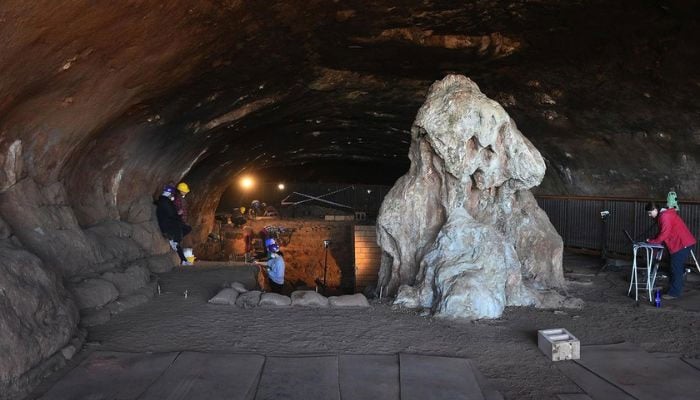
Archaeologists have pushed back the earliest known date of fire use by hominids by nearly 800,000 years. Burnt remnants of owl pellets discovered in South Africa's Wonderwerk Cave, dated to between 1.7 and 1.8 million years ago, provide evidence that groups of Homo erectus regularly built fires, far earlier than previously accepted.
The University of Toronto-led study, published June 1 in PLoS One, rewrites assumptions about early human cognitive and behavioural development. "I'm very comfortable saying it was between 1.7 and 1.8 million years ago," says Michael Chazan, the University of Toronto archaeologist leading excavations at the cave.
A luminescence technique adapted from forensics was used by scientists to detect burnt bone fragments that were part of owl pellets.
These are undigestable masses of fur and bones that owls eject after having a meal consisting of rodents. These minute calcified bones displayed definite signs of being burnt, which implied that there were fires lit in caves where owls perched, littering their floor with pellets.
It is the first such application of forensic detection techniques to an archaeological problem ever attempted, dating back to 1.07 to 1.79 million years ago, though Chazan suggests a narrower dating frame.
The archaeological record shows that H. erectus had no capability of creating fire, which was only invented by humans around 400,000 years ago.
They, however, relied on acquiring fires from natural sources such as wildfires and transporting the same to their living spaces. "It’s not human-made fire; it’s gathering fire from the landscape,” Chazan says.
They were quite sophisticated in their ability to keep the fire burning but lacked the technological know-how to make their own fire.






-
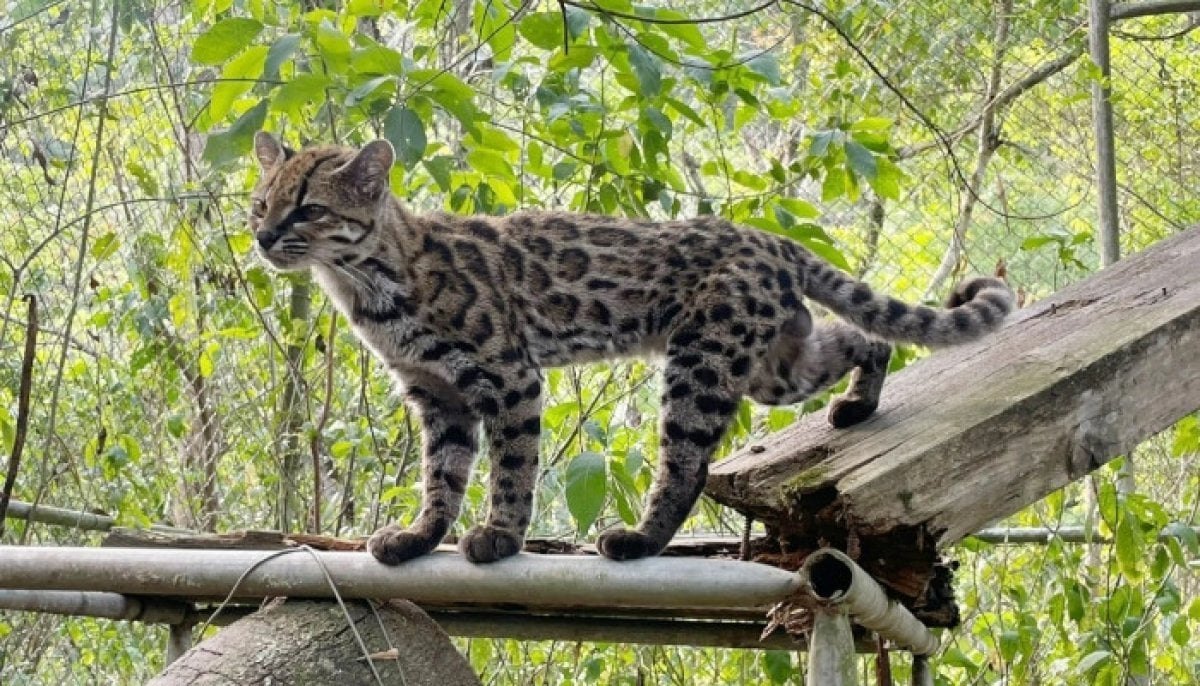 Scientists discover new wild cat species in Bolivia for the first time in a century
 -
 SpaceX turns to failed startups for AI training: Here’s why
 -
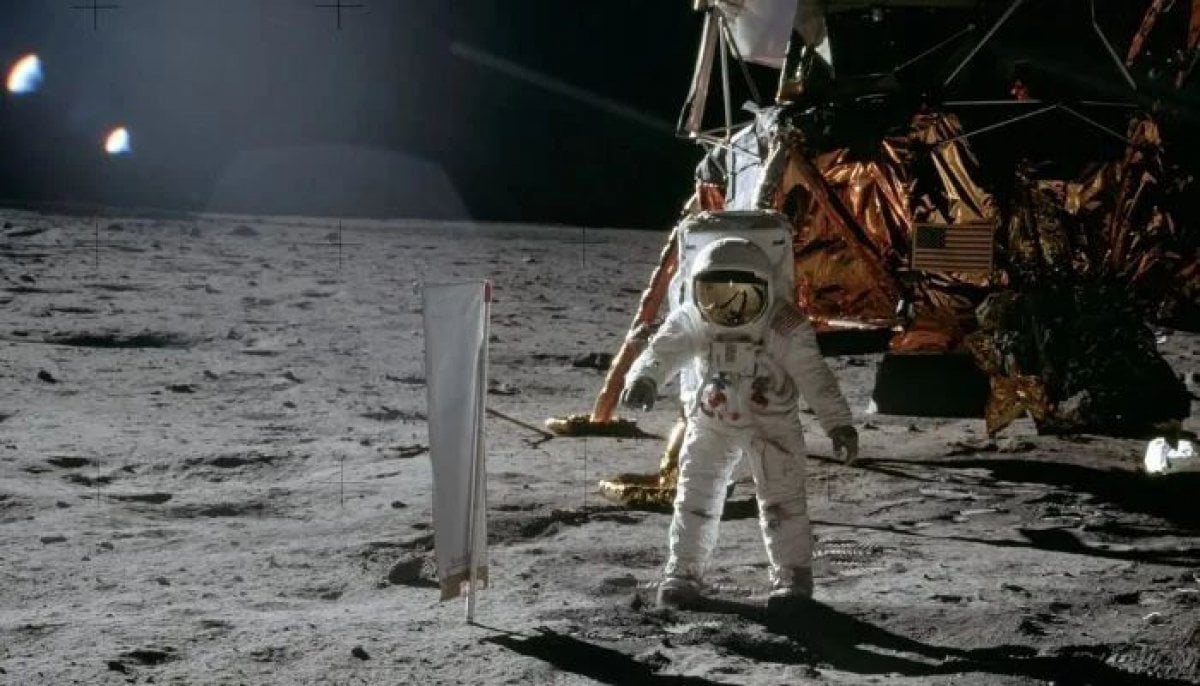 Why US is preparing its troops for possible combat around moon
 -
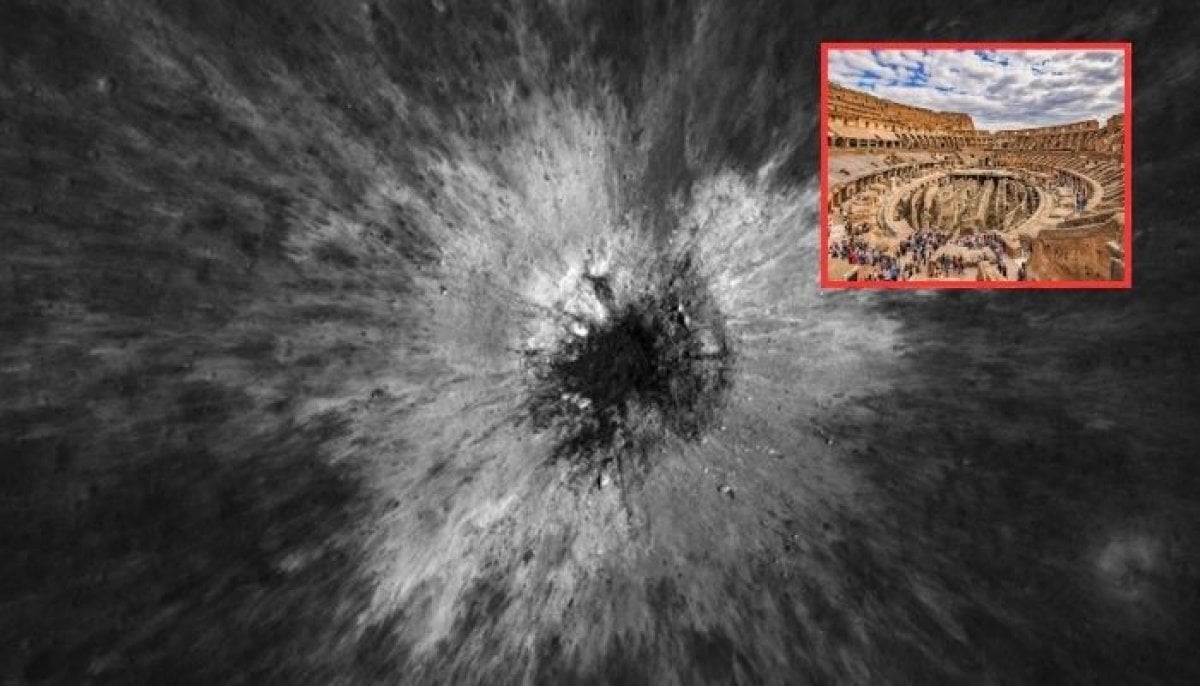 NASA finds ‘once-in-a-century’ moon crater bigger than Roman Colosseum
 -
 Greenland and Antarctica face major ice loss: Key details explained
 -
 Scientists transplant lab-grown human brain tissue into mice: What they found
 -
 New discovery forces scientists to rethink how Earth formed
 -
 US finally confirms weapons in orbit: What it means for space warfare