When do we really become adults? Science has an answer
According to research, some brain circuits develop into their mature states during the teenage years
_updates.jpg)
Most people have heard that the brain finishes developing at 25. It's cited by psychologists, quoted in courtrooms, and repeated in parenting guides. The problem is that neuroscientists never actually pinned this figure to a specific biological threshold.
The number from early studies that simply stopped tracking participants around age 20, and 25 became a reasonable extrapolation that eventually hardened into accepted fact.
The first study that came to light was by Christian Tamnes, a neuroscientist at the University of Oslo, in 2017. This study, carried out in the Journal of Neuroscience, examined the thickness of grey matter throughout life.
His results indicated that grey matter, the thick tissue that mostly processes information in the brain, tends to get thinner throughout the teens and stabilises somewhere in the twenties. The problem with 'stabilising' is that it does not mean 'finishing'.
While some brain circuits develop into their mature states during the teenage years, many others, especially those responsible for decision-making, self-control, and regulation of emotions, keep developing up until the twenties and thirties.
What this means is that the brain does not have an on/off switch but goes through gradual changes by region and circuitry.
The laws of most nations grant adulthood to individuals aged 18 or 21, thereby giving them the ability to make decisions relating to healthcare, voting, and even marriage.
This system is in opposition to neuroscientific evidence, which indicates that the brain responsible for consequence and risk evaluation is yet to be fully developed.





-
 Scientists name newly discovered snake after Guns N' Roses' Slash
 -
 SpaceX secures three new NASA crew flights: What to know
 -
 Sovereign AI fund in talks to back Political Sciences: What to know
 -
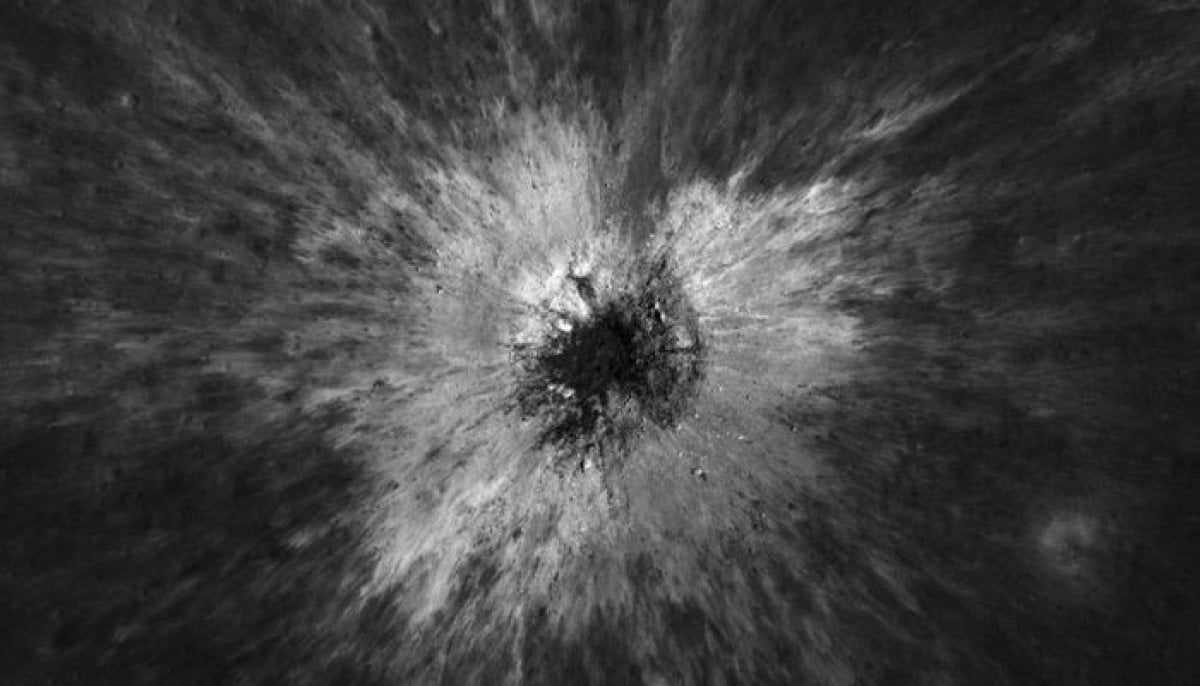 What recent discovered Moon Crater Means for Future Astronauts
 -
 Scientists discover new wild cat species in Bolivia for the first time in a century
 -
 SpaceX turns to failed startups for AI training: Here’s why
 -
 Why US is preparing its troops for possible combat around moon
 -
 NASA finds ‘once-in-a-century’ moon crater bigger than Roman Colosseum